A Baroque Symphony in Stone and Stucco
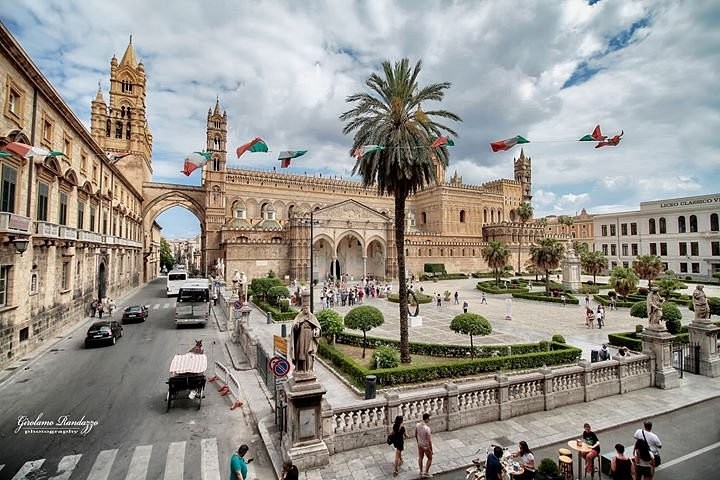
In the vibrant, sun-drenched heart of Palermo, where the ancient echoes of the Cassaro meet the spiritual gravity of the Cathedral, lies a hidden masterpiece of Sicilian grandeur: Palazzo Asmundo . This late-Baroque aristocratic residence is far more than a mere architectural relic; it is a living chronicle of nobility, resilience, and artistic triumph. Originally conceived in 1615 for Doctor Baliana, the palace underwent a transformative evolution that spanned over a century, finally reaching its magnificent completion in 1767 under the visionary patronage of Giuseppe Asmundo. To step across its threshold is to leave the modern bustle of via Vittorio Emanuele behind and enter a realm where the opulence of the Sicilian aristocracy remains preserved in every gilded detail and sculpted relief.
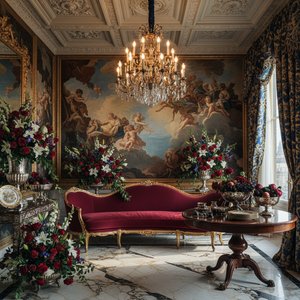
The architecture of the palazzo serves as a dramatic stage for the interplay of light and shadow, a hallmark of the Baroque spirit. Its facade, positioned with striking prominence near Piazza Pretoria, presents a breathtaking juxtaposition of religious solemnity and architectural ambition. Inside, the atmosphere shifts from the monumental to the intimate, as visitors are enveloped by an interior that breathes with the artistry of the era. The walls are adorned with exquisite stucco work, executed by the talented followers of Giacomo Serpotta . These intricate reliefs, depicting mythological scenes and allegorical figures, possess a delicate, ethereal quality that transforms the solid stone into something seemingly fluid and alive, reflecting the intellectual fervor and humanist ideals of 18th-century Sicily.
The Luminous Legacy of Martorana
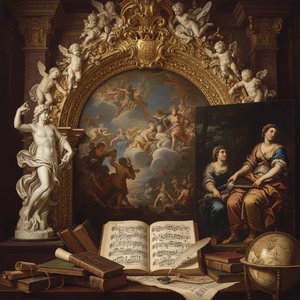
While the stuccoes provide a tactile depth to the rooms, it is the ceiling frescoes that truly command the soul. The palazzo’s interior is graced by the masterful hand of Gioacchino Martorana , a painter whose work cemented Palermo’s reputation as a premier center for Baroque excellence. His canvases, woven into the very fabric of the architecture, depict biblical narratives with a luminous palette and dramatic compositions that capture the essence of divine light. For the art lover, these frescoes offer a profound engagement with religious iconography; for the interior designer, they represent the pinnacle of decorative storytelling, where every brushstroke contributes to a cohesive, immersive environment of splendor.
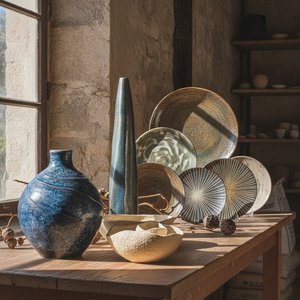
Beyond the grandeur of its walls, Palazzo Asmundo houses an eclectic and deeply personal collection amassed by the Martorana family. This treasury offers a window into the refined tastes of the Sicilian elite, blending high art with historical artifacts. Visitors can wander through a curated world of Sicilian ceramics —pieces that showcase regional motifs stretching back millennia—and admire delicate porcelain specimens that reflect the broader European influences of the era. The collection is further enriched by a fascinating numismatic display, where coins bearing the portraits of long-forgotten monarchs offer a tangible connection to the economic and political tides that shaped the island’s history.
A Sanctuary of History and Memory
What truly distinguishes Palazzo Asmundo from the many museums of Italy is its poignant, layered narrative. The palace has not merely been a witness to history; it has been a participant in it. A notable chapter of its legacy includes its role as a royal lodging during the Napoleonic era, specifically housing the daughter of King Ferdinand I of the Two Sicilies following their exile from Naples in 1806. This infusion of political drama into the domestic space lends the palazzo an almost palpable sense of melancholy and importance, making every corridor feel like a passage through time.
Today, as a privately owned museum and exhibition space, the palazzo continues to serve as a vital cultural artery for Palermo. It remains a destination where history buffs can trace urban development through ancient maps and postcards, and where collectors can find inspiration in the enduring beauty of Mediterranean craftsmanship. Whether one is drawn by the architectural majesty, the spiritual depth of the frescoes, or the whispered secrets of its royal past, Palazzo Asmundo stands as an unparalleled testament to the enduring soul of Sicily.