The Theater of Light: Mastering Chiaroscuro and Tenebrism
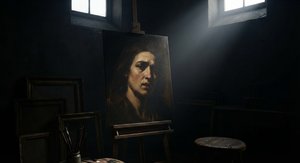
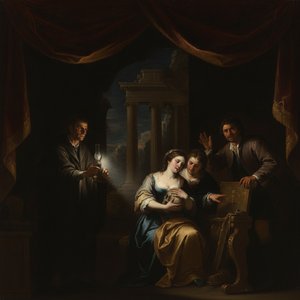
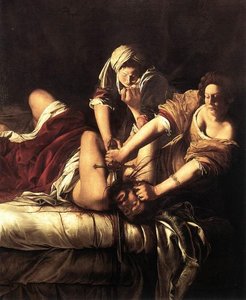
To step into a Baroque masterpiece is to enter a stage where the shadows possess as much agency as the light. Unlike the balanced, even illumination of the Renaissance, which sought clarity and mathematical harmony, the Baroque era introduced a revolutionary vocabulary of contrast. At the heart of this movement lies chiaroscuro—the delicate, masterful manipulation of light and dark to create three-dimensional volume and psychological depth. This technique does not merely illuminate a subject; it sculpts it out of the void.
Taking this concept to its most extreme, we encounter tenebrism, a style where darkness becomes the dominant force. In works such as those by Guercino, one observes how light acts as a divine or dramatic spotlight, piercing through an otherwise impenetrable gloom. This is not merely a technical feat of oil painting; it is a narrative tool. By obscuring much of the composition in deep, velvety shadows, the artist directs the viewer's gaze toward the essential: a weeping eye, a clenched hand, or the radiant glow of a saintly countenance. The interplay between the brilliant highlights and the swallowing darkness creates a sense of movement and tension that keeps the spectator perpetually engaged in the unfolding drama.
Emotional Intensity: The Baroque Pursuit of Human Vulnerability
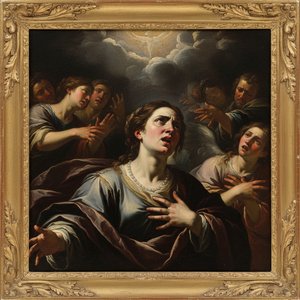
If light provides the stage, then emotion provides the soul of the Baroque. This period marked a departure from the idealized, stoic figures of previous centuries, opting instead for a raw, visceral exploration of the human condition. The artists of this era were deeply invested in capturing the fleeting moments of intense feeling—ecstasy, terror, grief, and profound devotion. There is an unapologetic vulnerability in these works that resonates across the centuries, inviting the viewer to empathently experience the subject's internal struggle.
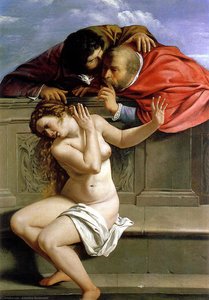
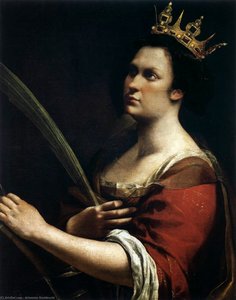
Consider the profound psychological weight found in the works of Artemisia Gentileschi. In her depictions, such as Susanna and the Elders, the tension is palpable; she captures not just a scene, but the very essence of courage clashing with vulnerability. The brushstrokes do not merely represent flesh; they convey the pulse of anxiety and the weight of trauma. This pursuit of emotional truth meant that the Baroque artist was often a dramatist, using every anatomical detail and facial expression to evoke a visceral response, ensuring that the viewer is never a passive observer but a witness to the profound depths of human feeling.
Narrative Grandeur: From Sacred Ecstasy to Mythological Drama
The Baroque era thrived on the power of storytelling, weaving complex tapestries of religious fervor and classical mythology. The movement was deeply intertwined with the Counter-Reformation, where the Catholic Church utilized art as a sensory instrument to inspire awe and reinforce faith. This led to an explosion of imagery centered around sacred ecstasy—moments where the boundary between the earthly and the divine becomes blurred through intense spiritual experience.
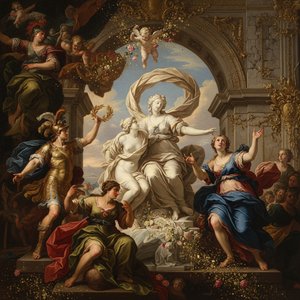
Yet, this narrative grandeur was not confined to the pulpit. The era also looked backward to the classical legends of antiquity, reimagining myths with a new, heightened intensity. In Pietro Testa’s Venus and Adonis, we see the intersection of love and mortality, where the presence of cherubs and serpents serves as a symbolic reminder of the fragility of life. These stories were told through grand compositions that utilized diagonal lines and swirling movements to suggest an epic scale. Whether depicting the martyrdom of a saint or the tragic fate of a mythological hero, the Baroque narrative is always one of high stakes, where every element of the composition contributes to a larger-than-life saga.
Architectural Majesty: The Interplay of Painting, Sculpture, and Space
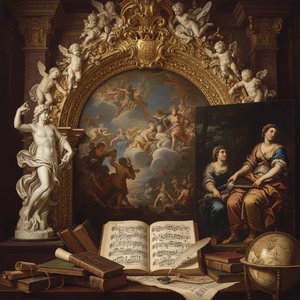
A true understanding of the Baroque requires looking beyond the individual canvas to the environments in which these works were intended to reside. The movement was characterized by a concept known as Gesamtkunstwerk, or the total work of art, where painting, sculpture, and architecture merged into a single, immersive experience. The boundaries between the physical room and the painted illusion were intentionally dissolved.
Architects designed spaces with dramatic curves, undulating walls, and grand vistas to complement the theatricality of the paintings. Ceiling frescoes were engineered to create quadratura—the illusion of an opening sky that extends infinitely upward, pulling the viewer into a celestial realm. When sculpture was integrated into these settings, such as the marble figures that seem to burst from their niches, the result was a sensory overload designed to overwhelm the senses and transport the soul. This architectural synergy ensured that the drama of the Baroque was not just something to be looked at, but an atmosphere to be inhabited.
The Legacy of the Masters: How Baroque Techniques Shape Modern Aesthetics
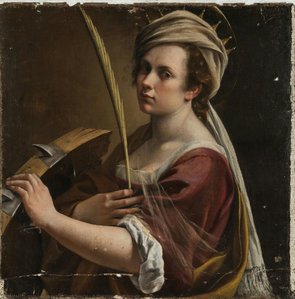
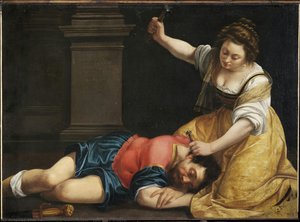
Though the era of the great Baroque masters has passed, their influence remains a cornerstone of visual culture. The techniques of light manipulation and emotional storytelling continue to inform modern cinematography, photography, and contemporary fine art. We see the echoes of Caravaggio in the moody, high-contrast lighting of film noir, and we feel the pulse of Gentileschi in the powerful, character-driven portraiture of today.
The Baroque legacy teaches us that art is most potent when it dares to be dramatic, when it embraces the shadows as much as the light, and when it seeks to touch the very core of human emotion. For the modern collector, appreciating these works is an invitation to reconnect with a period of unparalleled creative courage—a time when art was not merely decoration, but a profound, breathing testament to the complexity of existence.
At Mus3ums.com, we are dedicated to preserving this magnificent heritage. Our mission is to make the grandeur of the Old Masters accessible to a global audience through exquisite, hand-painted reproductions. Each piece is meticulously crafted by artists trained in the finest academic traditions, ensuring that the texture of the brushstrokes and the depth of the tones honor the original masters. Whether you are seeking a museum-quality oil painting or a custom transformation of a personal memory into a classical masterpiece, Mus3ums provides a bridge between the timeless beauty of history and the contemporary home.