The Essence of Giclée: Understanding Archival Precision and Pigment Permanence
To the uninitiated, a print may appear as a mere shadow of an original, yet for the discerning student of art history, the emergence of Giclée technology represents a profound paradigm shift in how we resurrect the essence of a masterpiece. Derived from the French word
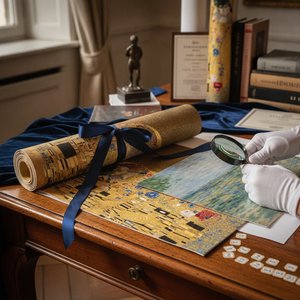
gicleur, meaning to squirt, this method transcends the limitations of traditional lithography or engraving. It is not simply a digital reproduction; it is a high-fidelity resurrection achieved through the precise application of microscopic, pigment-based droplets onto a chosen substrate. Unlike common dye-based prints that succumb to the ravages of light and time, Giclée utilizes archival inks designed for longevity. These pigments are suspended in a carrier fluid and meticulously layered, offering an unprecedented level of control over color depth and tonal nuance. For those who seek to study the subtle gradations of a Rembrandt or the luminous textures of a Monet, this technology provides a window into the artist's original intent, ensuring that the vibrancy of the palette remains steadfast for decades, if not centuries.
A Curator's Eye: Selecting Prints that Elevate Interior Narratives
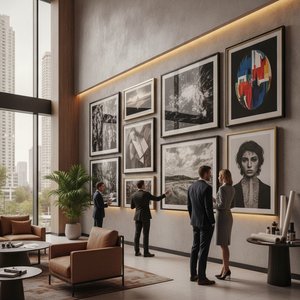
Selecting art for one's personal collection is an act of profound intentionality, much like the curation of a museum wing. A print should never be viewed as mere decoration; rather, it serves as a silent partner in the dialogue between the observer and the space they inhabit. For the art student or the burgeoning collector, the challenge lies in choosing works that complement the existing architectural narrative while introducing new layers of meaning. One might consider the heavy, gilded borders of a traditional frame to evoke historical weight and reverence, or perhaps embrace a minimalist edge to invite a contemporary, unmediated connection with the image. The thoughtful selection of a print can fundamentally alter the perceived value of an interior, transforming a room from a functional space into a curated sanctuary of contemplation. By understanding how different styles—from the romanticism of the Renaissance to the bold energy of Pop Art—interact with light and shadow, one can curate a collection that tells a deeply personal story.
From Masterpiece to Paper: The Technical Artistry of High-Fidelity Reproduction
The journey from a centuries-old canvas to a modern fine art paper print is a marriage of technological advancement and artistic ambition. At Mus3ums.com, we recognize that the pursuit of perfect reproduction requires more than just high-end machinery; it requires an understanding of the soul of the work. The technical foundation of our Giclée prints rests upon the quality of the substrate—typically museum-grade matte paper or 100% cotton canvas—which provides the necessary texture to catch the light and mimic the original surface. When we reproduce a work, such as the intricate woodblock textures of Chiura Obata or the delicate ornamentation found in Mariano Fortuny’s studies, our goal is to capture the subtle tonal variations that define the artist's hand. While these prints do not possess the physical, three-dimensional impasto of our hand-painted oil recreations, they offer a level of clarity and color accuracy that allows the viewer to appreciate the fine lines and intricate details that might otherwise be lost in lesser reproductions.
Preserving the Legacy: Expert Guidance on Framing and Long-term Conservation
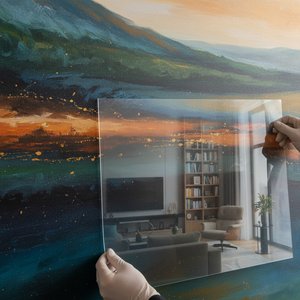
True connoisseurship extends beyond the moment of acquisition; it encompasses the lifelong stewardship of the artwork. To preserve the integrity of a fine art print, one must master the science of conservation. A critical rule for any collector is the "matting secret": never allow a print to touch the glass of a frame directly. By utilizing a mat, you create a vital air gap that prevents moisture from being trapped against the image, which could otherwise lead to degradation. Furthermore, while our pigment-based inks are highly resistant to fading, we advise avoiding placement in direct, constant sunlight to protect the delicate pigments from UV damage. Controlling humidity is equally paramount; just as oil paintings "breathe," paper prints require a stable environment, away from the extreme fluctuations of radiators or the steam of a bathroom. Through these disciplined practices, you ensure that your collection remains not just a temporary adornment, but a lasting legacy for future generations to admire.
The Accessible Gallery: Curating a Personal Collection of World-Class Artworks
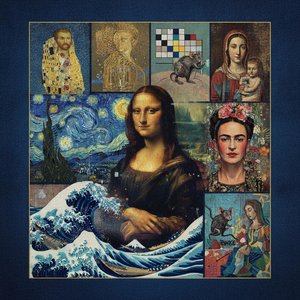
There is a profound democratization occurring in the art world, where the most iconic masterpieces—from the enigmatic smile of the
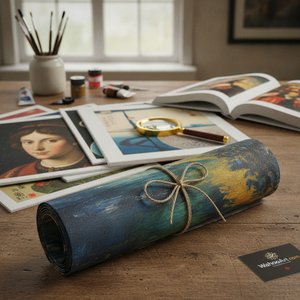
Mona Lisa to the dramatic light of the Baroque era—are becoming accessible to those with a passion for history rather than just an immense fortune. For the student, the teacher, or the enthusiast, fine art paper prints offer an entry point into a world of high culture without the prohibitive costs of original canvases. This accessibility allows for the creation of a "personal gallery," where one can explore various movements, periods, and subjects at their own pace. Whether you are drawn to the ethereal beauty of Art Nouveau or the structured precision of the Renaissance, our collection is curated to provide educational depth and aesthetic joy. We invite you to begin your journey of discovery today by exploring our vast archives of canonical works.
Transform your surroundings with a piece of history. Start your collection by browsing our curated gallery of masterpieces at:
https://www.Mus3ums.com/en/art/list/
https://www.Mus3ums.com/en/art/list/