The Soul of the Canvas: Why Texture Defines True Luxury
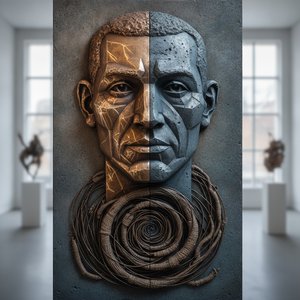 Top 25 Masterpieces by David Moreau: A Journey Through Texture and Light
Introduction To step into the world of David Moreau is to abandon the flat surface of traditional painting and enter a realm where the canvas breathes, ridges, and undulates with sculptural intent. As we prepare to journey through his top twenty-five...
In the quiet, curated corners of the world’s most exquisite homes, there exists a profound distinction between mere decoration and true artistry. To the discerning eye, a room adorned with high-quality prints may appear complete, yet it often lacks that elusive, breathing vitality that only a physical masterpiece can provide. Luxury, in its truest sense, is not found in the repetition of an image, but in the presence of something singular and tactile. When we speak of hand-painted Impressionist works, we are discussing more than just visual aesthetics; we are inviting a living entity into the domestic sanctuary.
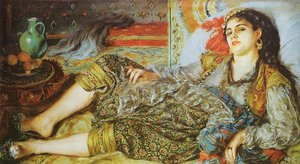
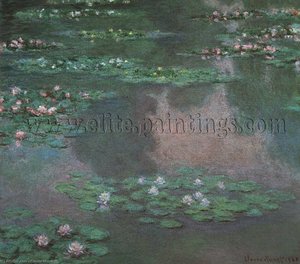
A print, no matter how high the resolution, remains a two-dimensional echo—a flat, silent plane that captures the light without ever interacting with it. In contrast, a hand-painted oil reproduction possesses a soul. It carries the weight of the artist’s intention and the physical evidence of their movement across the cotton canvas. For those who have spent decades appreciating the soft, luminous transitions of Monet or the rhythmic warmth of Renoir, the absence of texture in a print is felt as a loss of depth. True luxury demands this sensory engagement, where the artwork does not simply sit upon the wall but commands the atmosphere through its very materiality.
Beyond the Flat Surface: The Sensory Power of Impasto and Oil
 Impasto
Impasto is a technique used in painting where paint is laid on an area of the surface thickly, usually thick enough that the brush or painting-knife strokes are visible. Paint can also be mixed right on the canvas. When dry, impasto provides texture;...
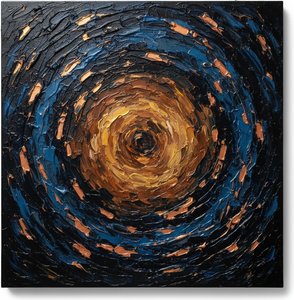
To step into the presence of an authentic oil painting is to enter a realm where the canvas breathes, ridges, and undulates with sculptural intent. This is most profoundly realized through the technique of impasto, a method where paint is applied thickly enough that the brush or palette knife strokes remain visible, creating a landscape of shadows and valleys. Much like the works of David Moreau, where the medium acts as physical architecture, an impasto surface allows light to become an active participant in the composition. As the sun moves through a room, the highlights on the raised ridges of paint shift, offering a dynamic experience that changes with the hour.
The chemistry of oil paint itself contributes to this sensory richness. Unlike the thin, uniform layer of digital inks, oil paint—composed of pigments suspended in drying oils like linseed—offers a luminous depth and a tonal range that is impossible to replicate via computer printing. There is a certain joie de vivre found in the way light penetrates these translucent layers, reflecting back from beneath the surface to create a glow that feels internal rather than applied. This tactile dialogue between the viewer and the canvas creates an emotional resonance, turning a viewing experience into a moment of profound connection with the physical essence of color and light.
Curating a Legacy: Integrating Impressionist Masterpieces into Modern Interiors
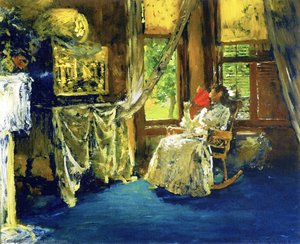 Interior
William Merritt Chase, an American artist known for his Impressionist works, created a captivating piece titled Interior, which is now housed at the Sheldon Memorial Art Gallery in the United States. This painting, dated 1912, showcases Chase's maste...
Integrating such powerful works into a contemporary interior requires a delicate balance of curation and vision. The modern luxury space often leans toward clean lines, neutral palettes, and architectural precision—elements that can sometimes feel sterile without the softening influence of Impressionism. A well-placed masterpiece acts as a visual anchor, providing a focal point that breaks the rigidity of modern design with its soft edges and organic forms. Whether it is a large-format landscape that mimics a window into a French morning or a multi-panel set that flows across a grand staircase, these works breathe life into the structural bones of a home.
For the sophisticated collector, the challenge lies in selecting pieces that harmonize with the existing color story while introducing new layers of complexity. One might choose an abstract impasto piece in forest greens and sage to ground a minimalist living room, or perhaps a light-drenched study of a garden to lift the energy of a bright atelier. The goal is not merely to fill a void on a wall, but to orchestrate a visual symphony where the artwork and the architecture exist in a state of mutual elevation. When done with intention, these paintings do more than decorate; they curate a legacy of taste and a sanctuary of peace.
The Art of Personalization: From Historical Reproductions to Bespoke 'Remixed' Memories
 American Colony Photo Department Or Its Successor The Matson Photo Service
A master of hand-painted reproductions, this artist brings timeless beauty to life with stunning accuracy and detail, offering a unique way to own iconic artworks – discover the perfect piece for your collection.
One of the most enchanting frontiers of modern art collecting is the ability to bridge the gap between historical grandeur and personal narrative. At Mus3ums.com, we believe that art should be as unique as the lives it celebrates. This has led to the beautiful emergence of "remixed" history—the ability to take a cherished personal milestone and reimagine it through the lens of a master. Imagine a wedding portrait not as a photograph, but as a luminous composition rendered in the soft, impressionistic style of Renoir, or a family heirloom transformed into a textured, impasto study reminiscent of Van Gogh.
This bespoke service allows for a profound level of customization that goes far beyond selecting from a catalog. Through our professional digital mockup service, clients can visualize these transformations before a single drop of oil touches the canvas, ensuring that every color and composition aligns with their vision. Whether it is a "Period Shift" that brings a modern subject into a classical era or a custom commission that combines elements from multiple photographs into a single, cohesive masterpiece, this level of personalization ensures that the artwork becomes an irreplaceable part of one's personal history.
Preserving Beauty: The Chemistry and Craftsmanship of Museum-Grade Artworks
 Oil paint
Oil paint is a type of slow-drying paint that consists of particles of pigment suspended in a drying oil, commonly linseed oil. Oil paint also has practical advantages over other paints, mainly because it is waterproof. The earliest surviving example...
The acquisition of fine art is an investment in permanence, and true luxury must be accompanied by uncompromising quality. To ensure that a hand-painted masterpiece survives for generations, the science of preservation must be as meticulous as the artistry itself. Our artists, many of whom hold degrees from prestigious Fine Arts academies, utilize specialized materials designed to resist the passage of time. We employ flexible gesso to prevent cracking and select specific oils, such as safflower for our whites, to prevent the dreaded yellowing that can plague lesser works.
Every finished piece is protected by a coat of Damar varnish, creating a shield against dust, moisture, and atmospheric pollutants. This commitment to museum-grade standards extends from the 100% cotton canvas to the heavy-duty, reinforced stretchers designed to prevent warping. When you choose a hand-painted reproduction, you are not merely purchasing an image; you are commissioning a durable treasure. It is a labor of passion and precision, ensuring that the light, color, and texture captured in the moment of creation remain as vibrant and evocative for your grandchildren as they are on the day of their arrival.