

The Soul of the Canvas: Distinguishing Tactile Oil Masterpieces from Digital Surfaces
 The Collector's Eye: A Professional Guide to Identifying Quality in Oil Paintings & Fine Art Prints
The Tactile Truth: Distinguishing Hand-Painted Oil Reproductions from Digital Prints The Connoisseur's Guide to Fine Art Mediums: Distinguishing Between Giclée Prints and Hand-Painted Oil Masterpieces The Soul of the Canvas: Understanding the Tactile...
To the uninitiated eye, a high-resolution image captured on a luminous screen may appear indistinguishable from a physical canvas, yet for the discerning collector, the distinction lies in the very soul of the medium. When we encounter a true hand-painted oil reproduction, we are not merely looking at an image; we are engaging in a profound dialogue with texture and light. There is a certain breathability to a work born from a labor of passion, typically requiring several weeks of careful application on 100% cotton canvas. These works are meticulous resurrections of essence, where the artist utilizes traditional methods, combining pigments with drying oils such as linseed or safflower to create a medium that possesses unparalleled flexibility and a rich, dense color profile.
This chemical marriage of pigment and oil allows for a depth of shadow and a luminosity in the highlights that no digital printer can ever hope to replicate. In contrast, while Giclée prints represent the pinnacle of digital precision—utilizing advanced inkjet technology to propel millions of microscopic, pigment-based droplets onto a substrate—they remain fundamentally a two-dimensional endeavor. A print offers incredible accuracy and is an excellent solution for large-scale installations, yet it lacks the physical presence of the oil painting. For those who seek to surround themselves with the warmth of the Impressionists, the choice between a flat surface and a textured masterpiece is the difference between observing a memory and living within it.
The Impasto Truth: Recognizing Texture, Light, and the Artist's Hand
 The Collector's Eye: A Professional Guide to Identifying High-Impact Quality in Oil Paintings & Fine Art Prints
The Tactile Truth: Distinguishing Hand-Painted Impasto from Digital Surfaces Impasto Impasto is a technique used in painting where paint is laid on an area of the surface thickly, usually thick enough that the brush or painting-knife strokes are visi...
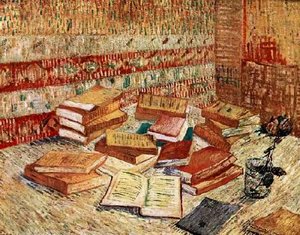
The true magic of an Impressionist work is found in its topography. Through the masterful application of the impasto technique, artists lay pigment thickly upon the canvas, creating raised ridges and valleys that catch the light dynamically as one moves around the room. This physical presence—where the brush or painting-knife strokes remain visible—provides a sculptural depth that no flat surface can replicate. When you stand before a hand-painted work, you are witnessing the movement of the human hand; you see where the paint sits more thickly in certain areas and where softer, blended passages create a sense of atmospheric haze.
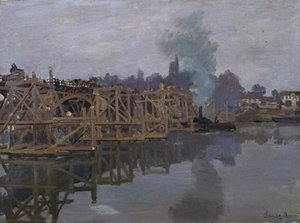
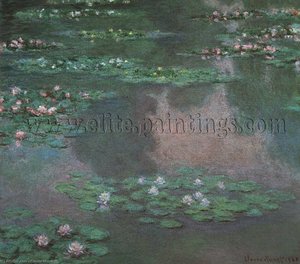
This tactile truth is what allows a painting to feel alive. In a true oil reproduction, the light does not simply hit a flat plane; it dances across the peaks of the brushstrokes, creating subtle shifts in sheen and shadow. This is particularly evident when observing the works of masters like Van Gogh or Monet, where the energy of the stroke is as vital as the subject itself. To collect such works is to embrace the beautiful, slight variances that occur when human hands manipulate the medium, ensuring that your piece possesses an emotional weight and a physical energy that a mechanical reproduction simply cannot manifest.
Decoding Giclée: The Science of Precision and Archival Excellence in Fine Art Prints
The Collector's Eye: A Professional Guide to Identifying High-Impact Quality in Oil Paintings & Fine Art PrintsThe Tactile Truth: Distinguishing Hand-Painted Impasto from Digital Surfaces Impasto Impasto is a technique used in painting where paint is laid on an area of the surface thickly, usually thick enough that the brush or painting-knife strokes are visi...
While we celebrate the tactile depth of oil, we must also acknowledge the remarkable science behind the fine art print. Derived from the French word gicleur, meaning to squirt, the Giclée technique is a marvel of modern archival technology. These prints utilize advanced pigment-based inks that offer incredible color accuracy, making them an excellent choice for collectors who desire a precise, faithful reproduction of a specific historical moment or color palette. When executed with 12-color archival inks, these prints can boast a longevity rating of 75 to 100 years, provided they are protected from the ravages of time.
However, the collector must remain vigilant regarding the "brush stroke effect." In lower-quality digital reproductions, one might encounter a printed pattern that attempts to mimic texture but feels repetitive and mechanical. A true high-quality print should be judged by its color fidelity and its ability to serve as a window into the original's palette. For those seeking an even more elevated experience, we offer a hand-painted Giclée, where an artist meticulously paints over the print, bridging the gap between digital precision and the expressive touch of the human hand.
Beyond the Image: Assessing Material Longevity and the Chemistry of Pigments
 Fukurojin, the God of Longevity and Wisdom
Experience Jakuchū's masterful Edo period ink painting of Fukurojin, the God of Longevity, showcasing expressive brushwork and serene natural detail for your collection.
The longevity of an art collection depends heavily upon the chemistry of its creation. A connoisseur understands that what lies beneath the surface is just as important as the image itself. In our pursuit of museum-grade excellence, we utilize specific oils, such as safflower, for our whites to prevent the dreaded yellowing that can plague lesser works over decades. We also employ flexible gesso to ensure the canvas remains resilient, preventing the cracking that often occurs in poorly prepared works.
Furthermore, every hand-painted masterpiece is finished with a protective coat of Damar varnish. This is not merely for shine; it serves as a vital shield against dust, moisture, and atmospheric pollutants, ensuring that the vibrant reds and luminous yellows of an Impressionist landscape remain as striking in fifty years as they are on the day of delivery. To invest in art is to invest in chemistry, and understanding these material nuances is essential for preserving the brilliance of your collection for generations.
A Collector’s Checklist: Evaluating Condition, Surface Integrity, and Provenance
When acquiring new pieces, whether through an auction or a private commission, a systematic evaluation is required. A seasoned eye looks first at the surface integrity. Are there signs of unintended cracking, or is the craquelure a deliberate, aged finish applied to enhance character? One must examine the edges of the canvas; in our ExtendedWrap or MirrorWrap services, the artist continues the painting around the sides, creating a seamless, sculptural object that requires no frame.
Beyond the visual, one should consider the structural stability. Are the stretcher bars braced to prevent warping over time? Is the framing using acid-free matting to create an essential air gap between the art and the glass, preventing moisture buildup? For those managing inherited works, we recommend a professional assessment of the painting's surface and backside to ensure no hidden degradation is occurring. A true collector does not just look at the beauty of the subject, but respects the physical vessel that carries it.
Curating with Confidence: Expert Strategies for Selecting Timeless Works
Selecting art is a deeply personal journey, often requiring a blend of emotional resonance and aesthetic strategy. For the modern collector, this may involve "remixing" history—perhaps requesting a contemporary family portrait to be painted in the light-drenched, soft style of Renoir, or transforming a cherished photograph into a textured Van Gogh-inspired masterpiece. This ability to bridge the gap between personal memory and historical greatness is what makes custom commissions so profound.
As you build your collection, consider the architectural impact of your choices. Large-format murals or multi-panel group sets can transform a vast hall or a grand staircase into a curated gallery experience. Whether you are seeking a single, breathtaking oil reproduction or a series of archival prints to anchor a room, let your passion guide you. If ever in doubt, professional art consultations can provide the clarity needed, using digital mockups to place works within your specific space before a single drop of paint touches the canvas. In the end, the most successful collections are those that reflect not just a taste for beauty, but a deep, enduring connection to the artists who captured the light of the past.