
The Whispering Woods: An Invitation to the Soul of Japanese Landscapes
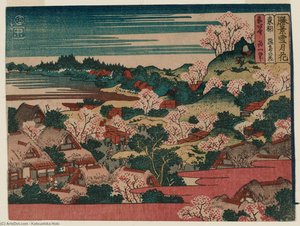
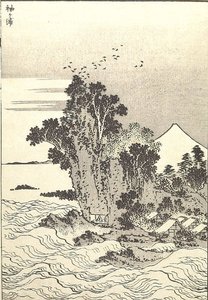 Sodegaura
Captivating Subject and Composition This exquisite artwork captures a tranquil Japanese landscape, blending natural beauty with subtle human presence. Central to the composition are tall, textured trees that evoke a sense of stability and reverence f...
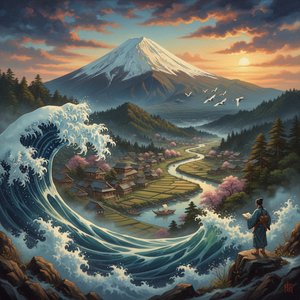
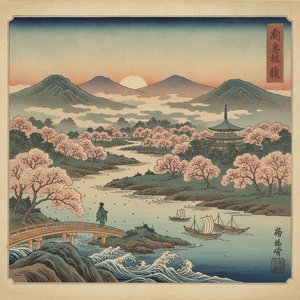
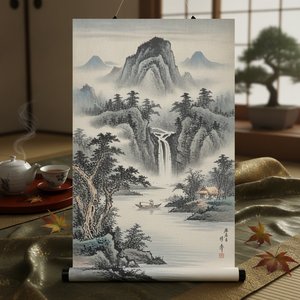
To step into a Japanese landscape is to enter a realm where the boundary between the observer and the observed begins to dissolve. There is a profound, quiet invitation held within these compositions, a call to witness the subtle dialogue between the eternal and the ephemeral. In works such as Sodegaura, we find ourselves standing before tall, textured trees that evoke a sense of ancient stability and reverence. These sentinels of the natural world provide a grounding force, yet they are never static; they exist in a delicate balance with the flowing water below, rendered through dynamic, curving lines that introduce a rhythmic pulse to the stillness. As we gaze upon these scenes, small structures nestled at the base of the trees hint at a human presence that does not seek to conquer nature, but rather to coexist harmoniously within its embrace. In the distance, a majestic mountain—reminiscent of the iconic Mount Fuji—rises with a smooth, conical silhouette, symbolizing a spiritual permanence that watches over the fleeting movements of birds in flight and the gentle rustle of leaves.
The Poetry of Impermanence: Embracing the Philosophy of the 'Floating World'
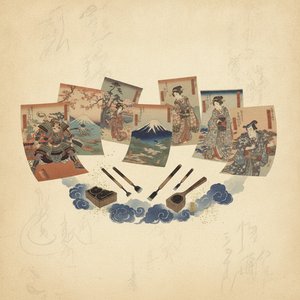 Floating Worlds: A Definitive Guide to the Mastery and Philosophy of Japanese Ukiyo-e Woodblock Prints
The Philosophy of Impermanence: Understanding the 'Floating World' Floating Worlds: The Captivating Magic and Timeless Legacy of Japanese Ukiyo-e Art The Philosophy of the Floating World: Understanding Ukiyo-e To understand Ukiyo-e is to grasp the ve...
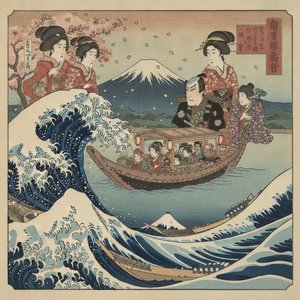
To truly understand the heart of Japanese art, one must grasp the bittersweet essence of Ukiyo-e, or "pictures of the floating world." This concept carries a heavy historical duality that reflects the very soul of the Edo period. Originally rooted in Buddhist doctrine, the term ukiyo spoke of a sorrowful, transient existence—a world defined by the inevitable suffering caused by the ephemeral nature of life. However, as the city of Edo flourished under the Tokugawa shogunate, this philosophy underwent a radical, hedonistic transformation. The focus shifted from the mourning of impermanence to the celebration of it. For the burgeoning chōnin class—the merchants and craftsmen who found prosperity in the urban centers—art became a way to freeze a passing glance, a sudden movement, or the delicate fall of a cherry blossom. This new "floating world" was an art of the moment, embracing the theater, the tea houses, and the seasonal beauty that exists only for a heartbeat, teaching us that beauty is most potent precisely because it cannot last.
Breath and Brushstroke: The Meditative Mastery of Ink and Water
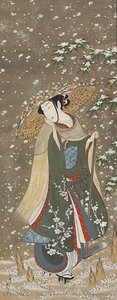 Tōensai Kanshi
The Enigmatic Brush of Tōensai Kanshi Tōensai Kanshi is a contemporary Japanese artist whose work embodies a profound connection to the traditions of *sumi-e* ink painting, yet simultaneously pushes beyond its established boundaries. Born in Japan (t...
The technical execution of these landscapes is a testament to a meditative discipline that prioritizes the spirit of a subject over mere imitation. In the tradition of sumi-e, or ink wash painting, the artist employs a monochromatic palette of blacks, grays, and off-whites to create a layered, immersive experience. This technique relies on the masterful control of varying concentrations of ink, where every controlled brushstroke and delicate wash evokes depth and atmosphere. There is no need for the clutter of color when the subtle gradations of tone can convey the weight of a stone or the mist clinging to a forest. This lineage of mastery continues even in contemporary hands, such as that of Tōensai Kanshi, whose work breathes with the principles of spontaneity and simplicity. Through the use of motifs like the "four gentlemen"—breathtaking depictions of bamboo, plum blossom, chrysanthemum, and orchid—the artist captures virtues of resilience and elegance. In this medium, the brush does not merely paint; it breathes, translating the perceived essence of the natural world onto silk and paper with an acute sensitivity to the movement of life itself.
Titans of the Terrain: Hokusai and the Eternal Majesty of Nature
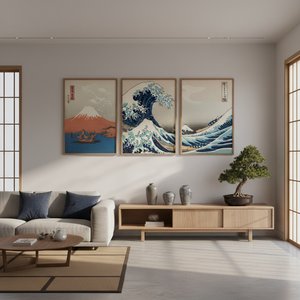 Hokusai's Masterpieces: 25 Iconic Prints & Paintings for Art Lovers | Mus3ums
Introduction To embark on a journey through the 25 most celebrated artworks of Katsushika Hokusai is to enter a world where ink blossoms into waves, mountains breathe with life, and everyday scenes resonate with profound beauty. These pieces aren’t m...
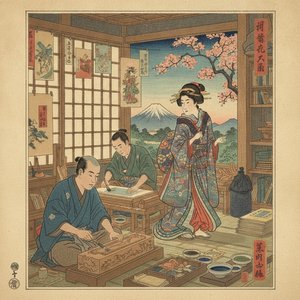
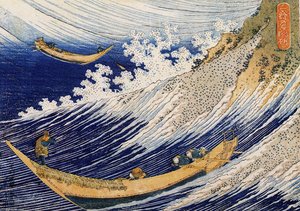
No exploration of this genre would be complete without acknowledging the transformative genius of Katsushika Hokusai. To journey through his celebrated works is to enter a world where ink blossoms into waves and mountains breathe with an almost sentient life. Born in Tokyo around 1760, Hokusai lived during an era of relative peace that allowed for a vibrant explosion of artistic expression. He was not merely a participant in the ukiyo-e movement; he was its most iconic innovator. His technical mastery of woodblock printing—a painstaking process requiring immense precision from the artist, carver, and printer alike—allowed him to capture the power of nature with unprecedented energy. Whether it is the surging strength of a wave or the quiet dignity of a landscape, Hokusai’s work transcends mere representation. He utilized experimentation in perspective and composition to create windows into the Japanese psyche, offering glimpses of a society captivated by the profound beauty found within the rhythms of everyday life and the overwhelming majesty of the natural landscape.
A Timeless Resonance: Finding Serenity in the Japanese Aesthetic
 Serenity on Canvas: A Guide to the Timeless Beauty of Japanese Landscape Painting
The Floating World: Understanding the Soul of Ukiyo-e Floating World: The Captivating Art and Legacy of Japanese Ukiyo-e The Essence of Ukiyo-e: Understanding the Floating World To understand Ukiyo-e , one must first grasp the profound philosophical ...
Ultimately, the enduring legacy of Japanese landscape painting lies in its ability to offer a sanctuary of serenity to the modern soul. In an age characterized by constant motion and noise, these artworks remind us of the value of stillness and the profound importance of observing the small, transient details of our environment. The artistry—from the delicate, soft forms found in the prints of Okumura Toshinobu to the monumental, fantastical landscapes of contemporary masters—serves as a bridge between the historical past and our present search for meaning. By celebrating the harmony between human life and the natural world, these paintings invite us to contemplate our own place within the grand, flowing tapestry of existence. They remain timeless not because they capture an unchanging reality, but because they teach us how to find beauty in the very act of change.