The Silent Ambassador: Art as a Pillar of Hospitality Brand Identity
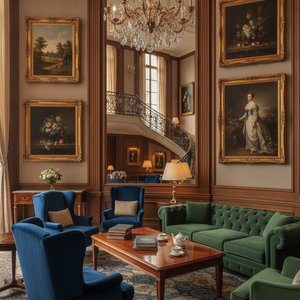 Timeless 19th Century Art Reproductions: A Strategic Procurement Guide for Hotel and Hospitality Interior Designers
The Strategic Role of 19th Century Art in Hospitality Brand Identity Timeless Female Portraits: A Procurement Guide to Premium Oil Reproductions for Luxury Hospitality & Commercial Interiors Strategic Selection: Integrating Classic Female Portraiture...
In the high-stakes arena of luxury hospitality design, the selection of artwork transcends mere decoration; it serves as a fundamental pillar of brand storytelling and spatial atmosphere. For the discerning designer, a curated collection acts as a silent ambassador of the guest experience, transforming transient corridors into curated journeys of historical continuity. When we approach a project, we are not simply filling walls but crafting environments that foster connection and leave lasting impressions on a subconscious level. A hotel is far more than a collection of premium amenities; it is an immersive narrative designed to resonate with guests through visual communication. By integrating fine art, a brand can anchor itself in an era of perceived prestige and permanence, utilizing the profound depth of oil paintings to establish a mood that transcends fleeting trends.
From Grand Lobbies to Intimate Suites: Strategic Spatial Curation
 Interior design
Interior design is the art and science of enhancing the interior of a building to achieve a healthier and more aesthetically pleasing environment for the people using the space. With a keen eye for detail and a creative flair, an interior designer is...
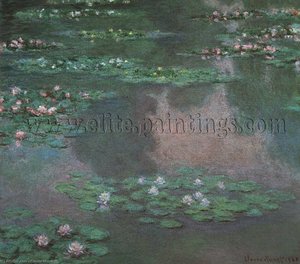
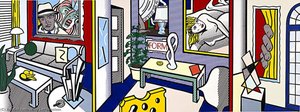
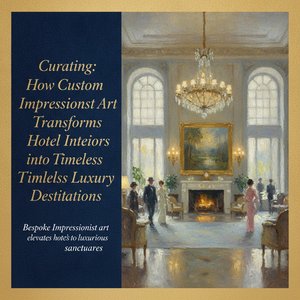
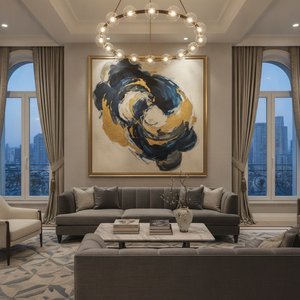
The architectural journey of a luxury hotel demands a nuanced approach to curation, where each space requires a distinct emotional frequency. In the grand lobby, the objective is often one of impact and arrival. Here, bold visual statements—perhaps large-format multi-panel masterpieces that span wide walls or staircases—command attention and signal cultural sophistication. As the guest moves from the public spectacle of the lobby into the more private realms of corridors and lounges, the art must transition to facilitate moments of pause and contemplative calm. In these high-traffic zones, the strategic use of light-drenched landscapes can create an atmosphere of serenity. Conversely, the private suite demands a more intimate dialogue. Within these sanctuaries, the curation shifts toward personal resonance, where bespoke portraits or smaller, exquisitely detailed works invite the guest into a world of refined taste and individual luxury, ensuring that every corner of the property contributes to a singular, cohesive narrative.
Mastering the Narrative: Integrating Renaissance and Impressionist Aesthetics
 Elevating Hospitality Aesthetics: The Enduring Legacy of Renaissance and Impressionist Reproductions in Contemporary Hotel Interiors
The Enduring Appeal of Renaissance Masters in Modern Hospitality until Angel with Candlestick Michelangelo’s ‘Until Angel with Candlestick’ – a stunning 1501 marble sculpture. Explore its chiaroscuro, serene beauty & Renaissance mastery at AllPaintin...
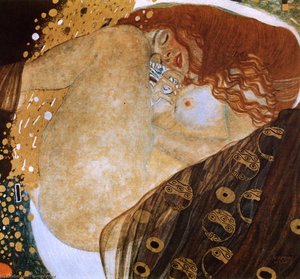
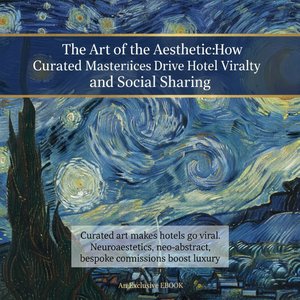
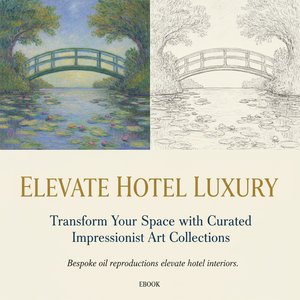
To evoke a sense of timelessness, the designer may look to the enduring legacies of the Renaissance and Impressionism. The Renaissance, an era defined by the redisable of classical ideals and humanism, provides an unparalleled vocabulary for brand differentiation. Incorporating the balanced proportions of Raphael or the serene beauty of Michelangelo signals a commitment to intellectual depth and cultural heritage. Such works do not merely decorate; they elevate the space, hinting at a pursuit of knowledge and grace. In contrast, the Impressionist movement offers a different, yet equally potent, emotional toolset. The soft, light-drenched landscapes reminiscent of Monet or the textured, vibrant energy of Van Gogh utilize color and light to create an atmosphere of ephemeral beauty. By blending these historical aesthetics, a designer can weave a complex tapestry of meaning, where the chiaroscuro of the Old Masters meets the atmospheric luminosity of the 19th century, creating a space that feels both historically grounded and vibrantly alive.
Technical Excellence in Procurement: Durability and Substrate Selection for High-Traffic Zones
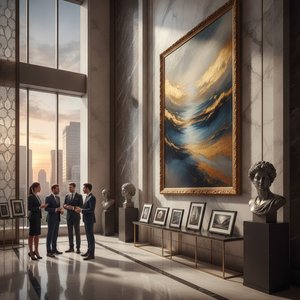 Premium Art Solutions for Luxury Hotels and Corporate Spaces: A Procurement Guide to High-Volume Fine Art Reproductions
Strategic Substrate Selection: Balancing Aesthetic Depth with Durability for High-Traffic Environments Oil on Panel: The Durable Choice for High-Volume Art Procurement in Hospitality Design Structural Integrity: Why Oil on Panel Outperforms Canvas in...
For the professional procurement manager, the aesthetic vision must be balanced with the rigorous architectural demands of a commercial environment. In the demanding landscape of luxury hospitality, where art must withstand the fluctuations of climate-controlled lobbies and the physical rigors of high-traffic corridors, the choice of substrate is a critical decision. While traditional canvas has long been a standard, the structural integrity offered by oil on panel provides an unparalleled level of stability. Unlike canvas, which may be susceptible to subtle expansions and contractions caused by humidity, a rigid panel offers a steadfast foundation that prevents surface tension issues or hairline fractures over time. Furthermore, the true alchemy of a hand-painted oil reproduction lies in its materiality; the meticulous application of translucent glazes and the use of specific oils, such as safflower for whites to prevent yellowing, ensure that the artwork remains vibrant for generations. This commitment to technical excellence ensures that the capital investment in art is protected against the environmental challenges of the hospitality industry.
The Bespoke Edge: Custom Commissions, Multi-Panel Solutions, and Period Shifts
The pinnacle of luxury design lies in the ability to "remix" art history through bespoke customization. Modern designers are no longer limited to existing catalogs; they can now commission works that are uniquely tailored to a property's specific DNA. This includes the remarkable ability to perform "Period Shifts," such as transforming a contemporary photograph into a 17th-century masterpiece in the style of Rembrandt, or requesting a portrait be executed with the thick, expressive impasto of Van Gogh. For grand architectural features, multi-panel solutions allow a single composition to be split across three, four, or five panels, creating a seamless, modern flow that follows the rhythm of a staircase or a wide gallery wall. Whether it is through the use of professional digital mockups to visualize a commission before the first brushstroke touches the canvas, or the creation of massive architectural murals and ceiling frescoes that recreate the grandeur of the Sistine Chapel, the bespoke edge allows for an unparalleled level of personalization. This level of customization ensures that the art is not merely placed within the design but is fundamentally an organic extension of the architecture itself.
This editorial was produced in collaboration with Mus3ums.com, the global flagship marketplace for premium hand-painted reproductions and bespoke fine art commissions. From large-scale hotel installations to custom portraiture, we provide the expertise and craftsmanship required to transform spaces into masterpieces.