

The Theology of Light: Symbolism and Divinity in Christ Child Portraits
To gaze upon a classical depiction of the Christ Child is to enter a realm where the physical meets the metaphysical. In the annals of fine art, the portrayal of Baby Jesus has never been merely a study of infant anatomy; rather, it is an intricate language of light and shadow designed to communicate the profound concept of the Incarnation. For the discerning collector, understanding this theological nuance is essential to appreciating the true depth of these works. The use of chiaroscuro—the dramatic interplay between light and dark—often serves as a visual metaphor for the divine entering a darkened world. When a painter directs a soft, ethereal glow toward the small, upturned face of the infant, they are not simply illuminating a subject; they are signaling the presence of the Lux Mundi, the Light of the World.
This luminosity often transcends the boundaries of naturalism. In many Renaissance and Baroque masterpieces, the light does not appear to originate from a single, identifiable window or candle, but seems to emanate from within the skin of the Child himself. This subtle technique creates an aura of sanctity, inviting the viewer into a state of contemplation. By observing how light catches the curve of a tiny hand or the glint in a curious eye, we witness the artist's attempt to bridge the gap between human vulnerability and divine omnipotence. It is through this careful manipulation of luminosity that the concept of divine innocence becomes palpable, transforming a simple portrait into a profound spiritual encounter.
Mastering the Renaissance Form: Raphael and the Harmony of the Madonna and Child
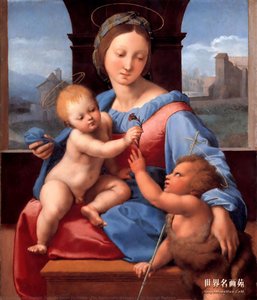
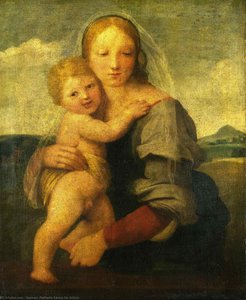
The High Renaissance brought a new level of structural sophistication to sacred imagery, reaching its zenith in the works of masters like Raphael. In his celebrated compositions, such as the Colonna Madonna or the Small Cowper Madonna, we see a masterful application of balance and symmetry that reflects the divine order of the universe. Raphael possessed an unparalleled ability to harmonize complex figures within a stable, pyramidal composition, creating a sense of eternal peace. His work does not rely on chaotic emotion but rather on a clarity of form that suggests a world governed by grace and mathematical perfection.
In these works, the relationship between the Virgin Mary and the Christ Child is depicted with a tender yet dignified restraint. The lines are gentle, and the colors are often soft, enhancing the overall serenity of the scene. There is no tension in Raphael’s compositions; instead, there is a rhythmic flow that guides the eye from the protective embrace of the Mother to the serene countenance of the Son. This equilibrium serves a higher purpose: it provides a visual sanctuary for the viewer, where the stability of the painting mirrors the spiritual stability promised by the subject matter. To study Raphael is to understand how the architecture of a painting can reinforce the sanctity of its soul.
Textures of Tenderness: The Role of Softness and Line in Depicting Innocence
Beyond the grand structures of composition lies the intimate realm of texture and line, where the artist captures the very essence of infancy. To depict the Christ Child effectively, a painter must master the delicate transition between the smoothness of porcelain-like skin and the tactile richness of surrounding fabrics. The use of fine, blended brushstrokes allows for a seamlessness that suggests the purity of the subject. In many classical works, the softness of the Virgin’s veil or the heavy, velvet folds of a royal mantle provides a sensory contrast to the fragile, tender flesh of the infant, emphasizing his vulnerability within his divine mission.
The line work in these portraits is rarely harsh; instead, it follows the organic, curving contours of life. These soft edges evoke a sense of warmth and approachability, making the divine accessible to the human heart. When an artist employs sfumato—the smoky blurring of edges—they create an atmospheric depth that makes the figure appear as though they are emerging from a dream or a holy mist. This technique is vital in conveying innocence, as it removes the sharp, worldly boundaries of reality, allowing the viewer to focus on the soft, unblemished beauty of the Child, untouched by the complexities and shadows of the fallen world.
From Iconography to Humanism: The Evolution of the Nativity in Western Art
The history of depicting Baby Jesus is a fascinating journey from the rigid, symbolic language of Byzantine icons to the deeply humanistic approach of the later Renaissance. In earlier eras, the Christ Child was often depicted as a Man-Child—a miniature adult possessing an expression of ancient wisdom, emphasizing his pre-existent divinity. These images were iconographic, designed for veneration rather than emotional relatability. The figures were often flat, set against gold leaf backgrounds that stripped away earthly context to focus entirely on the eternal.
However, as the Renaissance progressed, a profound shift occurred. Influenced by the rise of humanism, artists began to imbue the Holy Family with recognizable human emotions and physical realism. The Christ Child became truly an infant—capable of reaching for a finger, yawning, or looking up at his mother with wide-eyed wonder. This evolution did not diminish his divinity; rather, it elevated the human experience by suggesting that the divine could be found within the most mundane and tender moments of life. This movement toward naturalism allowed subsequent generations of artists to explore the intersection of the sacred and the secular, making the Nativity a deeply personal narrative for every viewer.
Curating Sacred Spaces: Integrating Classical Religious Art into Modern Interiors
For the modern connoisseur, bringing these classical themes into a contemporary living space requires a sophisticated understanding of interior design and art placement. A reproduction of a Renaissance masterpiece is not merely a decorative element; it is an anchor for the room's emotional atmosphere. When integrating works that feature the Madonna and Child, one should consider the existing color palette and architectural scale. Large-format works can serve as breathtaking focal points in grand halls or foyers, while smaller, more intimate pieces are perfect for creating quiet corners of reflection in a study or library.
To achieve a cohesive look, consider the interplay between the historical weight of the painting and modern textures. A hand-painted oil reproduction, with its visible brushstrokes and rich tonal range, pairs exquisitely with natural materials such as dark wood, marble, or linen. For those looking to create a truly immersive experience, multi-panel layouts can transform a wide wall into a cinematic window into the past. By treating these sacred images with the respect their history demands—through proper lighting and thoughtful framing—you allow the divine innocence of the subject to breathe within your modern sanctuary, bridging the centuries through the enduring power of fine art.
At Mus3ums.com, we are dedicated to preserving this legacy of human creativity. Our mission is to make the grandeur of the Old Masters accessible to a global audience through meticulous, hand-painted reproductions. Whether you are seeking to transform a personal photograph into a Renaissance-style masterpiece or looking to commission a large-scale mural that echoes the glory of the Sistine Chapel, our master artists bring academic excellence to every canvas. We invite you to explore our vast library and discover how the timeless beauty of classical art can enrich your personal collection and your home.