The Sacred Canvas: Art as a Window to the Divine
Throughout the long tapestry of human history, art has rarely functioned merely as decoration; rather, it has served as a profound bridge between the terrestrial and the celestial. In the context of Catholic tradition, the canvas becomes a sacred threshold, a window through which the faithful might glimpse the mysteries of the divine. This spiritual vocation of art is not found in mere representation, but in the ability of a master’s brush to evoke a sense of awe, transforming pigment and oil into a medium for prayerful contemplation.
To gaze upon a sacred work is to engage in a silent dialogue with the eternal. The early masters understood that color, light, and composition could communicate theological truths that words often fail to capture. Through the careful arrangement of figures and the use of symbolic landscapes, these artists created an environment where the viewer is not just an observer, but a participant in a cosmic narrative. This tradition of using visual beauty to illuminate spiritual truth remains one of the most enduring legacies of Western civilization, inviting us to look beyond the physical surface toward a deeper, more transcendent reality.
Baroque Grandeur: Drama, Light, and Emotional Devotion
As we move into the era of the Baroque, the language of sacred art underwent a breathtaking metamorphosis. The restrained elegance of previous centuries gave way to an era defined by movement, intense emotion, and a theatrical use of light known as chiaroscuro. This was an art designed to stir the soul, to overwhelm the senses, and to pull the viewer into the very heart of the religious narrative. Artists like Luca Giordano mastered this sense of drama, utilizing monochromatic depths and sweeping compositions to capture moments of profound spiritual intimacy.
Consider the visceral impact of works such as The Anointing of Christ's Feet, where the interplay of shadow and highlight creates a palpable tension, making the sacred event feel immediate and human. This period embraced a heightened realism, where the textures of skin, fabric, and stone were rendered with such precision that the divine seemed to descend into our very world. In the Venetian Baroque tradition, artists like Andrea Celesti further enriched this experience, layering luminous colors and complex groupings of saints to create celestial visions that feel both grand in scale and deeply personal in their devotional intensity.
Sculpting Faith: The Tactile Presence of Sacred Statuary
While painting offers a window into the divine, sculpture provides a physical encounter. There is a unique power in the three-dimensional form—a tactile presence that occupies the same space as the believer. In the heart of Italy, particularly within the artistic traditions of Lecce, the art of wood and stone carving reaches a pinnacle of emotive expression. The exquisite Baroque sculptures of masters such as Giuseppe Cino demonstrate how the rigid medium of wood can be coaxable into the soft folds of a garment or the sorrowful expression of a saint.
These statues do not merely represent religious figures; they embody them. When one stands before a carved depiction of Christ or Mary Magdalene, the physical weight and texture of the work command a certain reverence. The craftsmanship required to breathe life into inanimate material is itself an act of devotion. This sculptural tradition serves as a cornerstone of Catholic aesthetic experience, providing a tangible anchor for faith that invites touch, movement, and a profound sense of the holy presence within our physical surroundings.
Iconography and Symbolism: Decoding the Language of the Saints
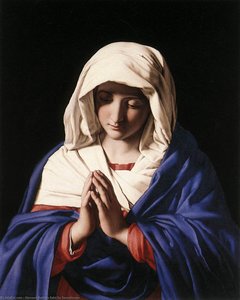
To truly appreciate the depth of Catholic art, one must learn to read its silent language. Every element within a composition—from the specific shade of a blue mantle to the placement of a lily—carries a weight of theological significance. This complex system of iconography allows the viewer to decode the identities and virtues of the saints depicted. A single attribute, such as a key, a sword, or a palm frond, can instantly transform an anonymous figure into a recognizable pillar of the Church.
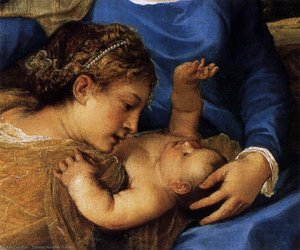
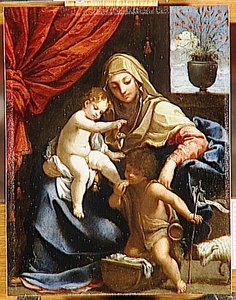
This symbolic literacy turns the act of viewing into an intellectual and spiritual exercise. The Virgin and Child, often accompanied by figures like St. John the Baptist, are surrounded by a visual vocabulary of purity, sacrifice, and eternal promise. By understanding these symbols, we move beyond the surface beauty of the painting and begin to grasp the intricate web of doctrine and tradition that the artist has woven into the work. It is a language of light and shadow, of objects and gestures, designed to instruct the heart even when the mind is at rest.
Preserving the Eternal: Bringing Classical Masterpieces into the Modern Home
In our fast-paced, modern era, there is a growing longing for the permanence and depth found in the Old Masters. The beauty of these historical treasures does not belong solely in museums; it possesses a transformative power that can enrich any contemporary space. Integrating classical religious art into a modern interior allows for a sense of continuity, connecting our personal environments to the vast lineage of human creativity and spiritual heritage.
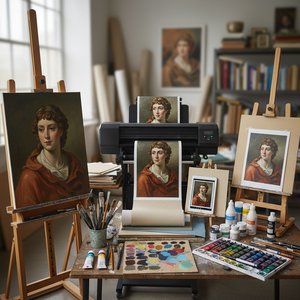
Whether through the careful selection of a museum-quality print or the commissioning of a hand-painted oil reproduction, bringing these works into the home creates an atmosphere of reflection and grace. At Mus3ums.com, we are dedicated to making this profound beauty accessible to all. Our mission is to preserve the soul of art history by providing authentic, hand-painted reproductions that capture the true texture, brushwork, and emotional depth of the masters. Through our meticulous six-step process—from digital mockup to the final application of protective varnish—we ensure that each piece serves as a lasting legacy of beauty and devotion in your personal collection.