The Allure of Stillness: Why Canal Scenes Captivate the Soul
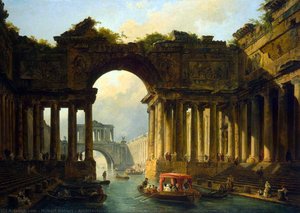
There exists a profound, almost hypnotic quality in the depiction of still waters that transcends mere scenery, touching upon the very essence of human introspection. To gaze upon a canal scene is to enter a sanctuary of quietude, where the frantic pace of the modern world dissolves into the rhythmic, gentle pulse of flowing currents and mirrored skies. These compositions serve as more than just landscapes; they are psychological thresholds. The canal, a structured waterway carved through civilization, offers a unique duality—the marriage of human architecture with the untamed fluidity of nature. This intersection creates a sense of controlled tranquility, a peaceful coexistence that resonates deeply with the weary observer seeking a moment of respite.
The fascination lies in the concept of the mirror. A canal acts as a liquid looking-glass, reflecting not just the physical world, and the architecture of bridges or weeping willows, but also our own internal states of reflection. When we encounter these works of art, we are drawn to the stillness of the surface, which invites us to slow our breathing and match the tempo of the painted tide. It is a visual meditation, an invitation to find clarity within the depths of a composition that celebrates the beauty of things unmoving, yet ever-changing.
Reflections of Light: The Impressionist Mastery of Water and Sky
The true magic of canal art is often found in the ephemeral dance between light and liquid. For the masters of the Impressionist movement, the challenge was not merely to paint a waterway, but to capture the fleeting, atmospheric nuances of a single moment. This required an extraordinary sensitivity to how sunlight fractures upon a ripple or how the twilight glow softens the edges of a stone embankment. Through broken brushstrokes and a vibrant, unblended palette, artists learned to evoke the shimmering texture of light as it dances across the surface, creating a sense of movement even in the most stagnant pools.
Consider the way light interacts with color; it is never static. In the works of masters like Claude Monet, we see how the water becomes a canvas for the sky itself. The subtle shifts from pale cerulean to deep indigo, or the sudden warmth of a sunset reflected in pink and gold hues, transform the canal into a living entity. This technique relies heavily on the interplay of complementary colors and the careful application of light-drenched pigments, allowing the viewer to feel the humidity of the air and the coolness of the water. It is through this mastery of luminosity that a painting ceases to be a mere representation and becomes an immersive sensory experience.
Venetian Grandeur and Coastal Calm: A Journey Through Iconic Waterways
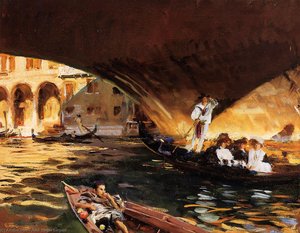
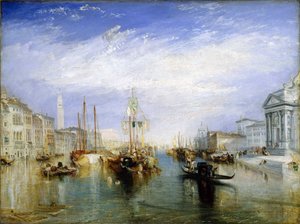
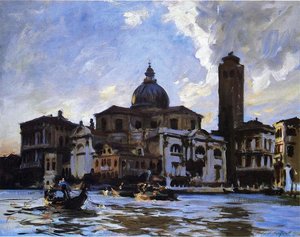
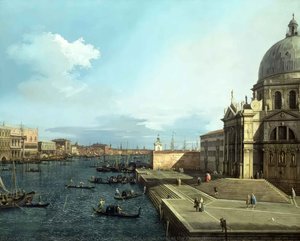
As we traverse the history of fine art, certain waterways emerge as legendary protagonists in the narrative of landscape painting. Venice, the most iconic of all, offers a spectacle of architectural drama meeting aquatic grace. In masterpieces such as Thomas Moran’s Grand Canal, Venice, we witness the breathtaking scale of the Venetian triumph. Here, the water is heavy with history, reflecting the palatial grandeur of marble facades and the rhythmic movement of gondolas. The art captures a sense of timelessness, where the weight of stone is balanced by the weightless beauty of the reflections, creating a composition that feels both monumental and intimate.
In contrast to the structured opulence of Venice, other canal scenes offer a more pastoral, coastal serenity. The works of artists like Frans Helfferich remind us of the quiet charm found in simpler maritime landscapes. These scenes often focus on the soft edges of coastal inlets or the gentle flow of rural canals, where the atmosphere is thick with mist and the brushwork is more impressionistic and atmospheric. Whether it is the majestic scale of a world-renowned city or the humble beauty of a woodland pond, these waterways serve as the connective tissue between the earth and the sky, guiding the viewer through a global gallery of peace.
The Painter's Palette: Techniques for Capturing Fluidity and Depth
Achieving the illusion of depth and fluidity in an oil painting requires a sophisticated understanding of both chemistry and technique. To prevent a water scene from appearing flat or stagnant, artists employ various layering methods to build dimension. The use of glazes—thin, transparent layers of oil paint—allows light to penetrate the surface and bounce back from deeper colors, mimicking the translucent quality of real water. This creates a sense of volume, making the viewer feel as though they are looking into the canal rather than merely at it.
Furthermore, the application of texture plays a vital role. The impasto technique, where paint is applied thickly to catch the light, can be used to represent the white foam of a small wake or the rugged texture of a stone pier. By contrasting these heavy, tactile strokes with smooth, blended areas representing calm reflections, the artist directs the eye through the composition. The careful selection of pigments—such as using safflower oil for whites to prevent yellowing over time—ensures that the pristine clarity of the water remains vibrant for generations, preserving the artist's original intent and the painting's emotional impact.
Curating Serenity: Integrating Canal Landscapes into Sophisticated Interiors
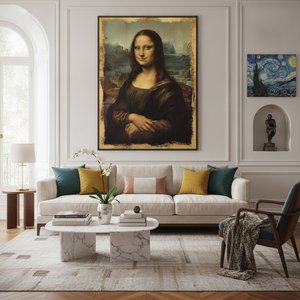
Bringing the tranquility of a canal scene into a contemporary home is an exercise in sophisticated curation. A well-placed landscape can serve as the focal point of a room, providing a window to another world that expands the perceived boundaries of a space. For the discerning collector, these works offer a way to introduce organic movement and a calming color palette into architectural environments. Whether it is a large-scale multi-panel arrangement spanning a grand staircase or a single, intimate piece above a mantle, the presence of water art promotes an atmosphere of luxury and repose.
When integrating such pieces, consider the surrounding textures and tones. A canal painting with deep blues and rich ochres pairs exquisitely with natural wood finishes, gold leaf frames, or even modern minimalist decor. The goal is to allow the artwork to breathe, providing a visual anchor that invites contemplation. By selecting works that resonate with your personal aesthetic—perhaps a light-drenched Impressionist piece for a bright sunroom or a moody, nocturnal Venetian scene for a formal study—you transform your living space into a curated sanctuary of timeless elegance.
At Mus3ums.com, we are dedicated to making this level of fine art accessible to collectors worldwide. From breathtaking hand-painted oil reproductions that capture every visible brushstroke to custom commissions that turn your personal memories into masterpieces, our mission is to preserve the soul of human creativity. Whether you seek a piece of historical grandeur or a bespoke creation, our master artists bring the magic of the world's most serene waters directly to your walls.