The Shadowy Genius: Unveiling Cecco del Caravaggio
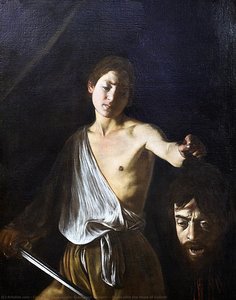
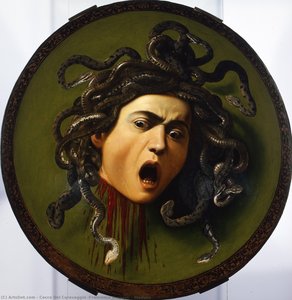
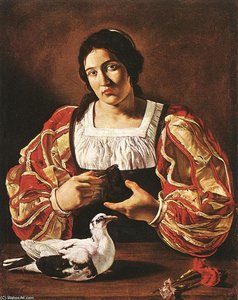
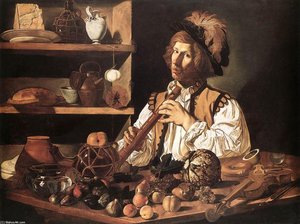
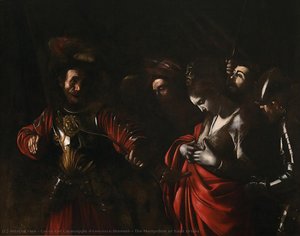
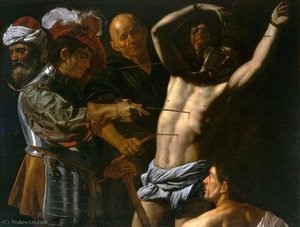
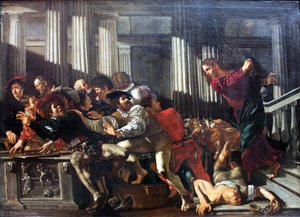
In the dimly lit corridors of Baroque art history, few figures possess a mystique as profound as Francesco Buoneri, known to posterity by the intimate diminutive Cecco del Caravaggio. To study his life is to navigate a landscape of shadows and half-truths, where the boundaries between historical fact and artistic legend blur. Emerging in the early seventeenth century, Cecco was far more than a mere shadow cast by the greatness of Michelangelo Merisi da Caravaggio; he was a vital pulse in the movement known as the Caravaggisti. While his name suggests a close-knit, perhaps even familial connection to the master, recent scholarship suggests a complex relationship where the student did not merely mimic the teacher but absorbed his revolutionary naturalism to forge a voice of startling psychological intensity.
The very essence of Cecco’s identity is woven into the fabric of Rome's turbulent artistic scene. The name Cecco, a diminutive of Francesco, hints at a level of familiarity that has led many historians to speculate he may have been the "boy Francesco" who assisted Caravaggio during the master's final, fugitive years in the city. This personal connection likely served as the crucible for his development, allowing him to witness firsthand the birth of tenebrism—that dramatic, high-contrast interplay of light and dark that would become his signature. His early training, potentially influenced by the Mannerist traditions of Pietro Testa, provided him with a foundation in classical composition, yet it was the raw, visceral reality of Caravaggio’s influence that ultimately pulled him toward a more profound, humanistic truth.
A Mastery of Light and Human Vulnerability
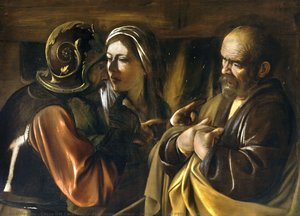
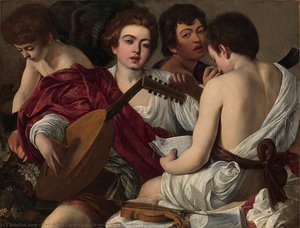
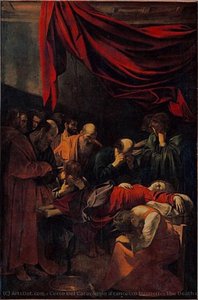
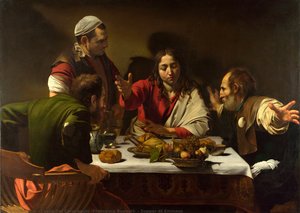
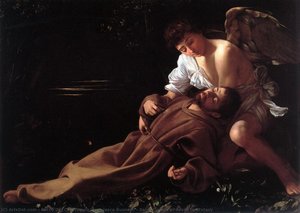
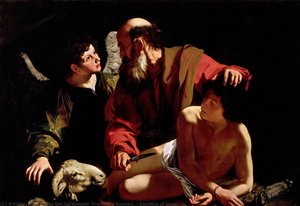
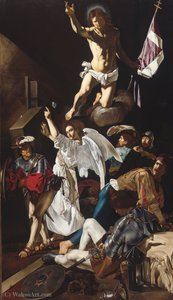
Cecco’s oeuvre is characterized by an uncompromising commitment to dramatic realism. He possessed a rare ability to use light not merely as a tool for visibility, but as a spiritual protagonist capable of illuminating the deepest recesses of the human soul. In his most celebrated works, such as the monumental The Resurrection, one observes an exaggeration of the bold contrasts pioneered by Caravaggio. Here, the light does not simply fall upon the figures; it erupts through the darkness, carving out forms with a sculptural weight that commands the viewer's attention and evokes a sense of divine intervention amidst earthly struggle.
Beyond the grand religious narratives, Cecco’s talent extended to capturing the quiet, often unsettling moments of human existence. His paintings frequently explore themes of:
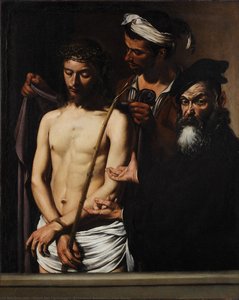
- Sacred Suffering: Works like Ecce Homo utilize deep shadows to emphasize the physical and emotional agony of Christ, making the divine feel palpably present.
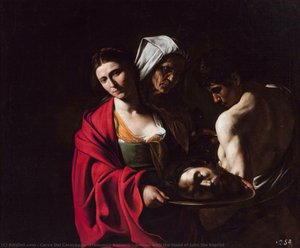
- Biblical Drama: In pieces such as Salome with the Head of John the Baptist, he employs a tragic realism that highlights the chilling intersection of beauty and brutality.
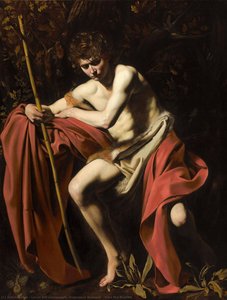
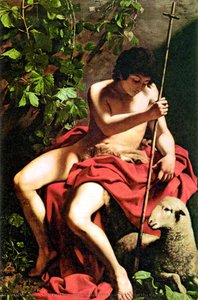
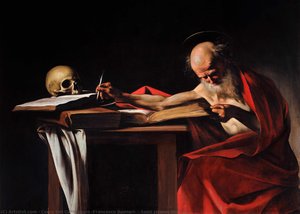
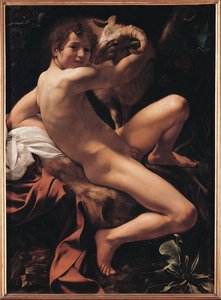
- Intimate Devotion: His depictions of figures like Saint Jerome Writing or John the Baptist showcase a mastery of texture and flesh, where the tactile reality of skin and parchment is rendered with breathtaking precision.
Legacy Amidst the Shadows
Though his active period was relatively brief, spanning from roughly 1610 to the mid-1620s, Cecco del Caravaggio left an indelible mark on the trajectory of Baroque painting. He stood at a pivotal moment in art history, acting as a bridge between the dying gasps of Mannerism and the full-throated emotionalism of the seventeenth century. While some early historians relegated him to the status of a mere follower, modern eyes recognize a painter who understood that true realism requires more than just accurate anatomy; it requires the courage to embrace the darkness.
His historical significance lies in his role as a custodian of the Caravaggisti spirit. By refining the techniques of chiaroscuro and infusing them with a unique, often melancholic tenderness, he helped ensure that the revolutionary naturalism of Caravaggio would endure through subsequent generations. Today, as we look upon his surviving masterpieces in collections like the Art Institute of Chicago or the Galleria Borghese, we do not see a mere imitator, but an artist who found profound meaning in the interplay of light and void, proving that even in the deepest shadows, a brilliant truth can be found.