early life and training
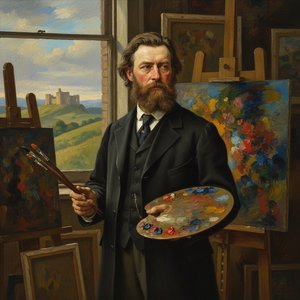
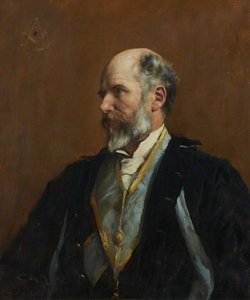
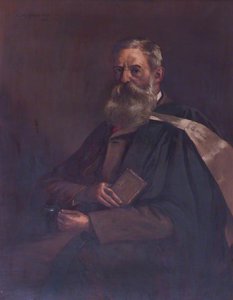
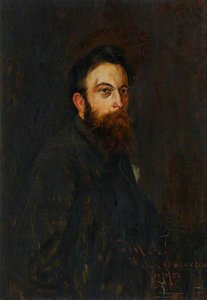
charles martin hardie, a prominent scottish artist, was born in east linton, east lothian, scotland in 1858. initially, he worked as a carpenter, following in his father's footsteps. however, his innate artistic inclination led him to the trustees' academy in edinburgh in 1876, marking the beginning of his prolific career.artistic contributions
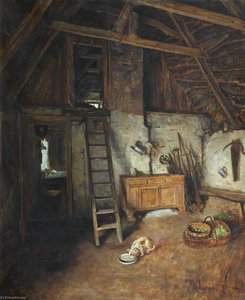
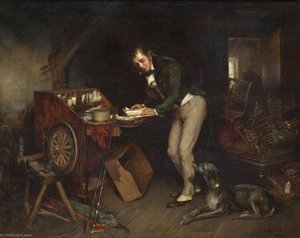
hardie's body of work is distinguished by:- the studio mirror, a testament to his skill in capturing the essence of scottish life.
- portraits of robert burns and sir walter scott in imaginary historical scenes, showcasing his mastery of narrative art.
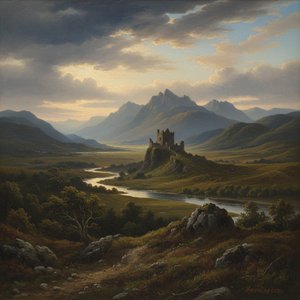
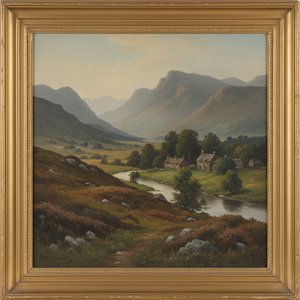
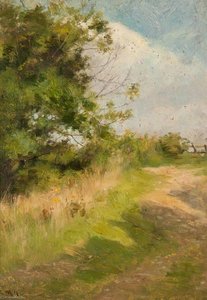
- landscapes and genre scenes that reflect his versatility as an artist.
notable exhibitions and collections
hardie's work has been featured in various esteemed exhibitions, including:- the royal academy
- the royal scottish academy
- the national galleries of scotland, where at least eight of his artworks are in the collection.
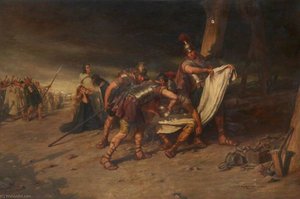
- an unrecorded coronation—inchmahome, 1548, a pivotal piece that showcases hardie's historical scene expertise.
- robert burns reading his poems to the duchess of gordon, a poignant portrayal of scotland's literary heritage. view charles martin hardie's artworks on Mus3ums.com
legacy and remembrance
charles martin hardie passed away in 1916, leaving behind a legacy that continues to inspire. his work can be found in various collections, including the national galleries of scotland. hardie's art serves as a window into scotland's rich cultural heritage, and his influence endures in the world of art. wikipedia: charles martin hardie - wikipedia
Questions & Answers
In which historical period did Charles Martin Hardie work?
Charles Martin Hardie worked in the 19th-Century period. The period situates the artist's activity in history.