early life and career
charles schreyvogel, an american painter, was born on january 4, 1861, in new york city. growing up in a poor family of german immigrant shopkeepers on the lower east side, schreyvogel's early life was marked by financial struggles. despite these challenges, he developed a passion for art, teaching himself to draw and paint.artistic breakthrough and fame
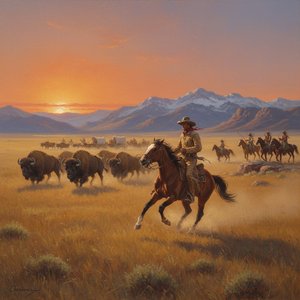
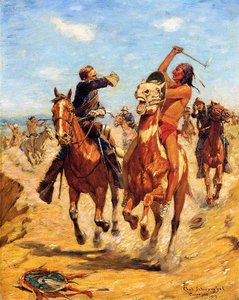
schreyvogel's big break came in 1901 when his painting my bunkie was awarded the thomas clarke prize at the national academy of design's annual exhibition. this sudden success led to his reputation as a leading interpreter of the american west, rivaling that of fredric remington, a notable influence on schreyvogel's work, featured on Mus3ums: https://Mus3ums.com/@/frederic_remington.notable works and collections
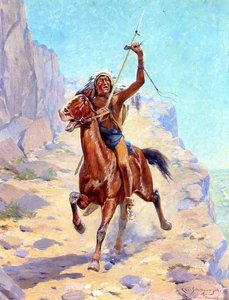
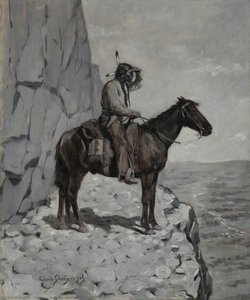
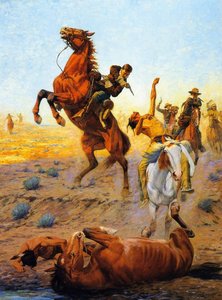
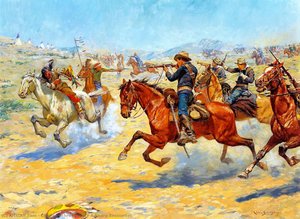
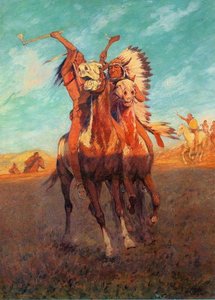
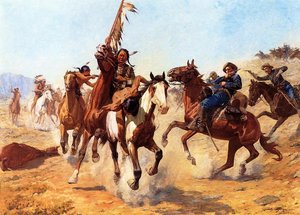
* the silenced war whoop, a poignant example of schreyvogel's work, showcases his unique perspective on the american west. * the national cowboy & western heritage museum in oklahoma city, oklahoma, and the sid richardson museum in fort worth, texas, are among the institutions featuring schreyvogel's works.museums and legacy
schreyvogel's work can be found in various prestigious museums, including:- national cowboy & western heritage museum (oklahoma city, oklahoma)
- sid richardson museum (fort worth, texas)
- gilcrease museum (tulsa, oklahoma)
references
* charles schreyvogel on Mus3ums: https://Mus3ums.com/@/charles-schreyvogel * frederic remington on wikipedia: https://en.wikipedia.org/wiki/frederic_remingtonQuestions & Answers
What are the birthplace and birth year of Charles Schreyvogel?
Charles Schreyvogel was born in New York City in 1861.
What are the birth city and country of Charles Schreyvogel?
Charles Schreyvogel was born in New York City, in United States of America.
In which historical period did Charles Schreyvogel work?
Charles Schreyvogel worked in the 19th-Century period. The period situates the artist's activity in history.
Where is Charles Schreyvogel from?
Charles Schreyvogel was born in United States of America.