Early Life and Training
- Born: May 26, 1810, Copenhagen Harbour, Denmark
- Died: February 7, 1848
- Christen Købke was born into a family of modest means; his father worked as a baker.
- His artistic talents were encouraged from an early age.
- He began formal training at the Royal Danish Academy of Fine Arts in Copenhagen.
- Studied under Christoffer Wilhelm Eckersberg, a renowned artist, which laid the foundation for his future success.
Artistic Career and Style
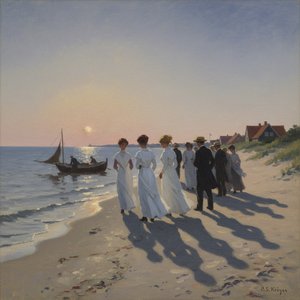
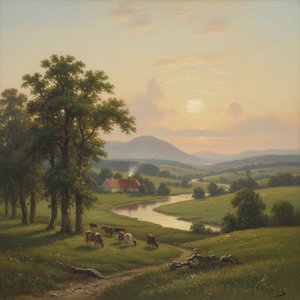
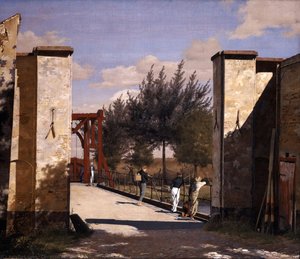
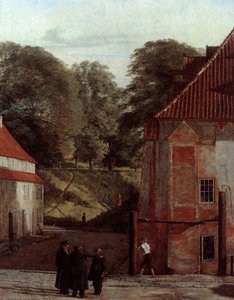
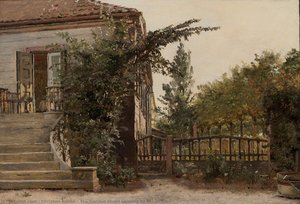
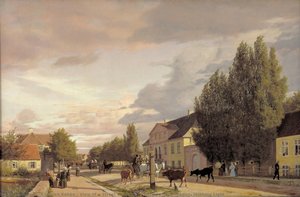
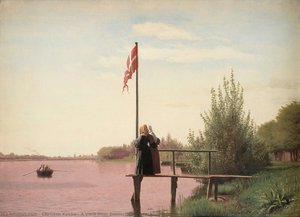
- Købke's work focused on capturing everyday life and landscapes of Denmark.
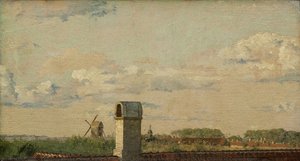
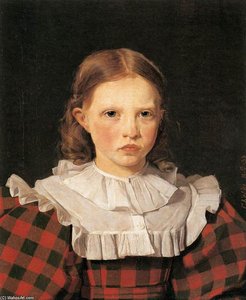
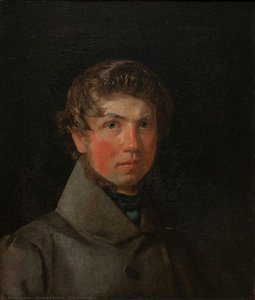
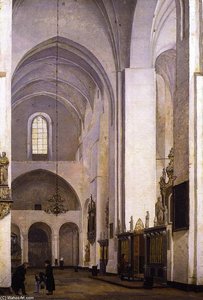
- Paintings often featured landscapes, portraits, and architectural scenes.
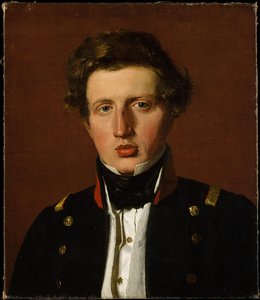
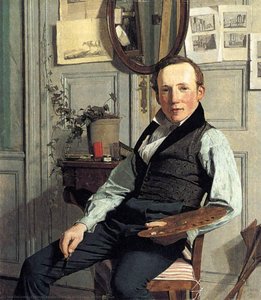
- Notable works include "Valdemar Hjartvar Købke (1813–1893), the artist’s brother" at the Metropolitan Museum of Art.
- Known for a nationalistic approach to art, emphasizing Danish culture and landscapes. Examples: “Frederiksborg Slot ved Aften”.
- His style is characterized by precise treatment of light and atmosphere, balanced compositions, and detailed depictions of natural elements.
Influences and Development
- Strongly influenced by Christoffer Wilhelm Eckersberg's emphasis on observing nature.
- Niels Lauritz Høyen’s promotion of nationalistic art encouraged Købke to depict Danish culture and landscapes.
- Early works showed the influence of classical landscape painting, particularly from Dresden and Italy.
- His travels to Germany and Italy (1838-1840) exposed him to new artistic perspectives but his later studio works based on these sketches were not well received.
Major Achievements and Historical Significance
- Considered one of the most talented artists of the Danish Golden Age.
- His focus on everyday life and landscapes influenced a generation of Danish artists, including Wilhelm Marstrand.
- His paintings are now held in various museums and collections worldwide, including the National Gallery of Denmark, J. Paul Getty Museum, Louvre Museum, and Metropolitan Museum of Art.
- Købke’s legacy lies in his ability to capture the essence of Danish culture and identity through realistic depictions of landscapes and everyday scenes.
Later Life and Legacy
- In 1846, Købke's application for admission to the Academy was rejected.
- He died of pneumonia in 1848 at the age of 37.
- Initially overlooked after his death, Købke’s work gained recognition and appreciation towards the end of the 19th century.
- Today, he is celebrated for his beauty, simplicity, and ability to capture the essence of everyday life in 19th-century Denmark.
Questions & Answers
What are the birthplace and birth year of Christen Købke?
Christen Købke was born in Copenhagen in 1810.
Where is Christen Købke from?
Christen Købke was born in Denmark.
What other names is Christen Købke known by?
Christen Købke is also known as Christen Schjellerup Kobke, Christen Schiellerup Kobke, Christen Kobke, Christen Schiellerup Købke, Christen Schellerup Kobke.