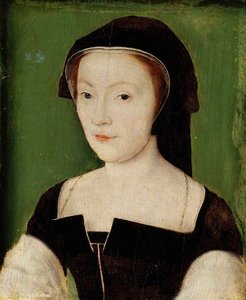
Corneille de LyonPaintings, Biography and Museum Collections

1500 - 1575

Quick Facts

  • Nationality: Netherlands
  • Art period: Renaissance
  • Museums on APS:
    • The Louvre
    • Hermitage Museum
    • Metropolitan Museum of Art
    • National Gallery of Art
    • Staatliche Museen
  • Born: 1500, The Hague, Netherlands
  • Vibe: elegant
  • Copyright status: Public domain
  • Mediums:
    • oil on canvas
    • oil on panel

A Courtly Gaze: The Life and Art of Corneille de Lyon

Corneille de Lyon, born Claude Corneille in The Hague around 1500 and passing away circa 1575, occupies a fascinating, if somewhat enigmatic, position within the history of Renaissance portraiture. He wasn’t merely a painter; he was an international presence, a chronicler of European nobility at a time of shifting power dynamics and burgeoning artistic innovation. While often referred to as Dutch, his career blossomed primarily in France, serving as *the* premier portraitist for Francis I and later, during the reigns of Henry II and Charles IX. His story is one of adaptation, skillful imitation, and ultimately, the creation of a distinctive style that captured not just likeness, but also the very essence of courtly life.

From Northern Realism to French Elegance

Corneille’s early training remains largely undocumented, though it's believed he initially worked in the tradition of Early Netherlandish painting – a world steeped in meticulous detail and realistic representation. This foundation is visible in his earliest works, characterized by precise rendering of fabrics, jewelry, and facial features. However, upon arriving in France around 1524, Corneille encountered a different aesthetic sensibility. The French court favored a more refined, elegant style, heavily influenced by the Italian Renaissance masters like Leonardo da Vinci and Raphael. Crucially, he was exposed to the work of Hans Holbein the Younger, whose portraits – with their psychological depth and sophisticated use of color – profoundly impacted Corneille’s development. He didn't simply copy Holbein; instead, he synthesized Northern realism with Italian grace and Holbein’s penetrating character studies, forging a unique artistic language.

The King’s Portraitist: A Career at the French Court

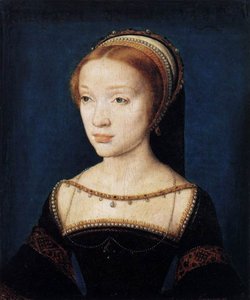
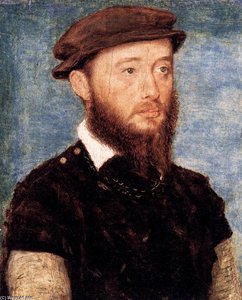
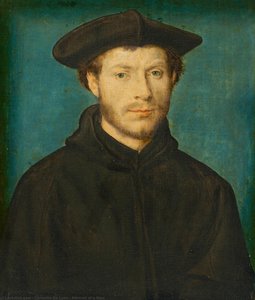
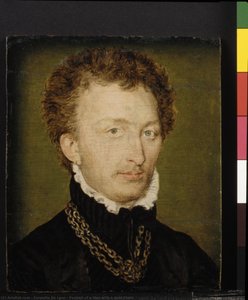
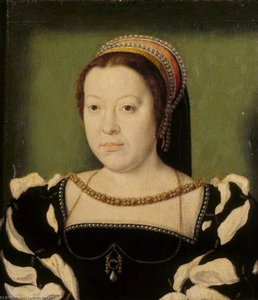
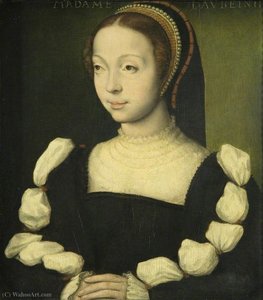
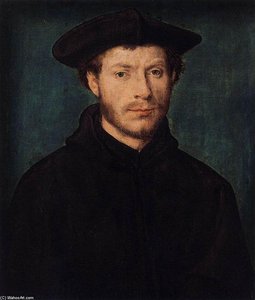
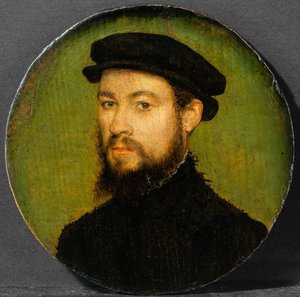
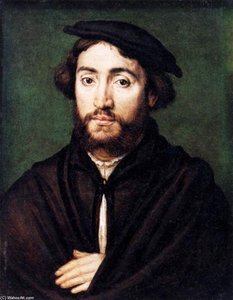
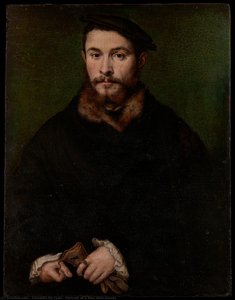
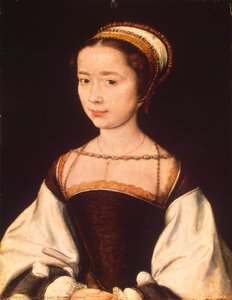
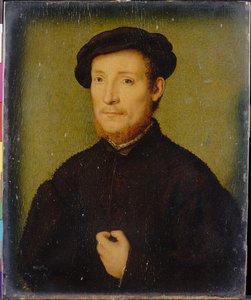
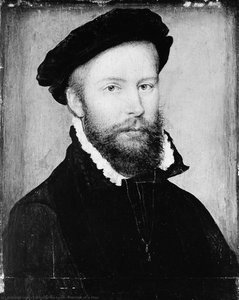
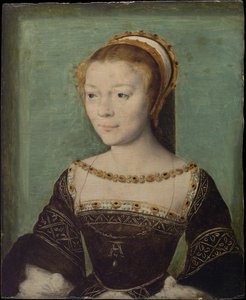
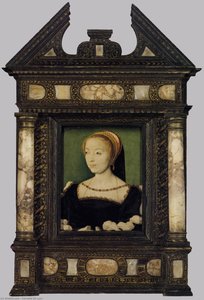
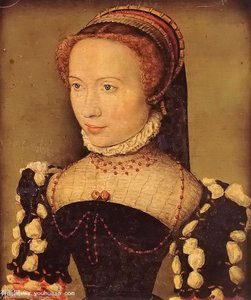
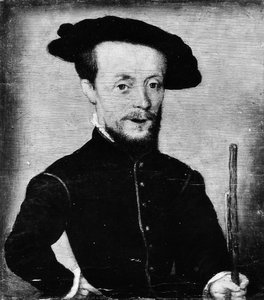
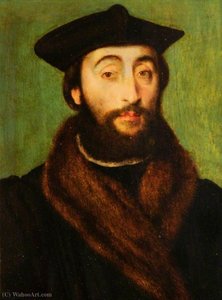
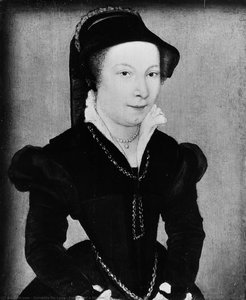
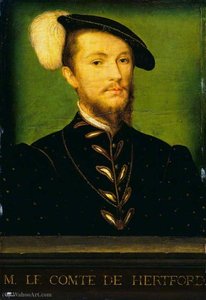
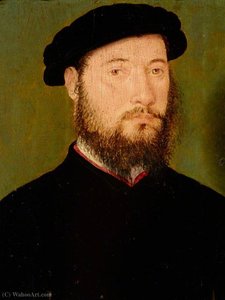
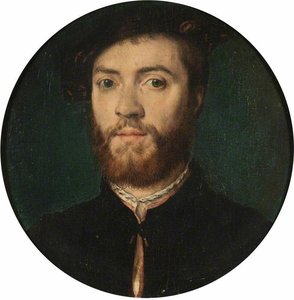
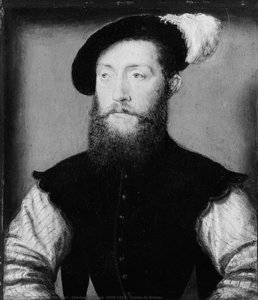
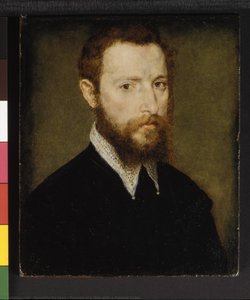
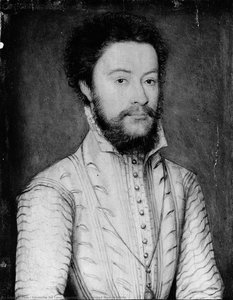
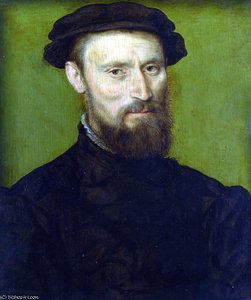
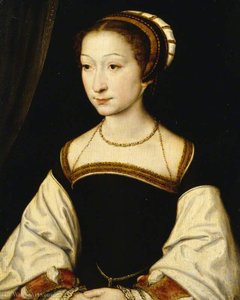
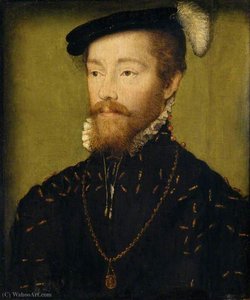
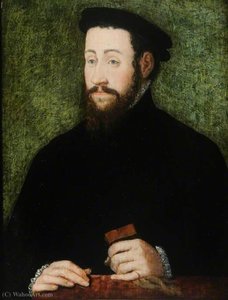
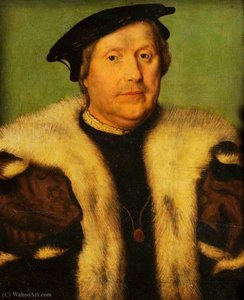
Corneille quickly ascended to become Francis I’s official portraitist, a position of immense prestige and responsibility. He wasn't painting grand allegorical scenes or religious narratives; his focus was almost exclusively on capturing the likenesses of the king, queen, courtiers, and visiting dignitaries. This specialization allowed him to hone an extraordinary skill in portraying status and power through subtle details – the cut of a garment, the arrangement of jewelry, the very posture of the sitter. His portraits are remarkably consistent in their format: typically half-length, with sitters posed against dark backgrounds, emphasizing their faces and elaborate attire. He employed a limited palette, favoring rich blacks, reds, and golds, which further enhanced the sense of opulence and authority. Hundreds of these miniature portraits were created, often as diplomatic gifts or keepsakes for members of the court. These weren’t intended to be monumental statements; they were intimate objects meant to circulate within a select circle, reinforcing social bonds and projecting an image of royal power.

Beyond Likeness: Symbolism and Artistic Legacy

While celebrated for his technical skill, Corneille's work also reveals a subtle understanding of symbolism. The clothing worn by sitters often conveyed their rank or allegiance; jewelry could signify wealth, piety, or marital status. He was not merely recording appearances but constructing narratives about identity and belonging. His influence extended beyond the French court. He trained numerous artists, disseminating his style throughout France and contributing to the development of the “Lyon School” of painting – a group of portraitists known for their refined technique and elegant compositions. Although he didn’t invent new artistic techniques or explore radical subject matter, Corneille de Lyon perfected the art of the courtly portrait, leaving behind a vast body of work that provides an invaluable glimpse into the lives and personalities of 16th-century European nobility. His portraits remain compelling not just for their historical significance but also for their enduring beauty and psychological insight – a testament to the power of observation and the artistry of capturing a fleeting moment in time. His legacy is one of refined elegance, meticulous detail, and an unparalleled ability to portray the essence of courtly life.

Questions & Answers

In which historical period did Corneille de Lyon work?

Corneille de Lyon worked in the Renaissance period. The period situates the artist's activity in history.

What are the birthplace and birth year of Corneille de Lyon?

Corneille de Lyon was born in The Hague in 1500.

What are the birth city and country of Corneille de Lyon?

Corneille de Lyon was born in The Hague, in Netherlands.

Where is Corneille de Lyon from?

Corneille de Lyon was born in Netherlands.

Art Quiz

There is only one correct answer for each question.

Question 1:
Corneille de Lyon is best known for his portraits, but what was particularly notable about the scale of these works?
Question 2:
In which country did Corneille de Lyon primarily work?
Question 3:
Around what time period was Corneille de Lyon active as an artist?
Question 4:
Where can examples of Corneille de Lyon's work be found today?
Question 5:
Corneille de Lyon's style is often compared to that of which other artist?


© 2026 mus3ums.com