Early Life and Training
- Born: Urbino, Italy (1535)
- Died: 1612
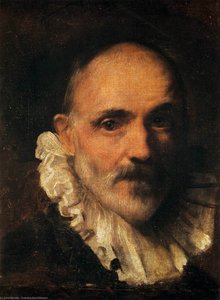
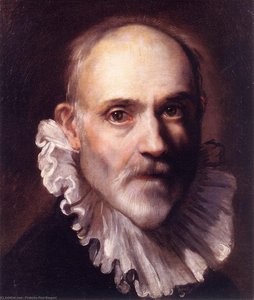
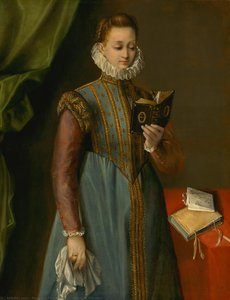
- Federico Fiori Barocci, an Italian Renaissance painter and printmaker, was born in 1535 in Urbino, Italy.
- His original name was Federico Fiori, and he was nicknamed "il Baroccio," which means a two-wheel cart drawn by oxen in northwestern Italian dialects.
- Barocci received his earliest apprenticeship with his father, Ambrogio Barocci, a sculptor of some local eminence.
- He was then apprenticed with the painter Battista Franco in Urbino. This training laid the foundation for his future success.
Artistic Career and Influences
- Barocci's work was highly esteemed and influential, foreshadowing the Baroque style of Peter Paul Rubens.
- He worked in the pre-eminent studio of Taddeo and Federico Zuccari in Rome, where he was exposed to various artistic influences.
- His first notable work was a "St. Margaret" executed for the confraternity of the Holy Sacrament.
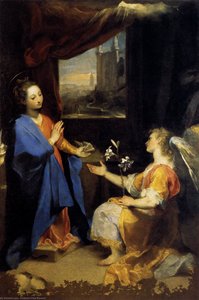
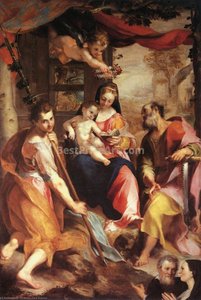
- He was invited by Pope Pius IV to assist in the decoration of the Vatican Belvedere Palace at Rome, where he painted the Virgin Mary and infant, with several saints and a ceiling in fresco, representing the Annunciation.
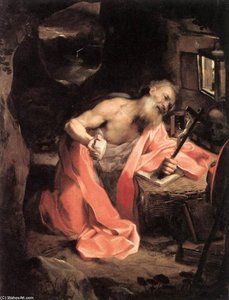
- Barocci's style was characterized by a mix of Mannerism and Baroque elements.
Notable Works and Legacy
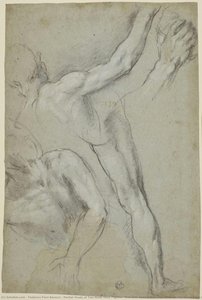
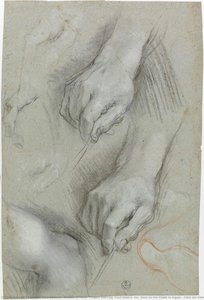
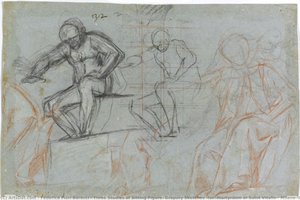
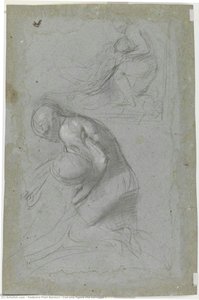
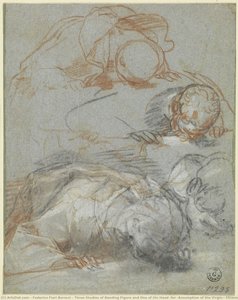
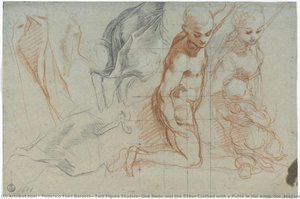
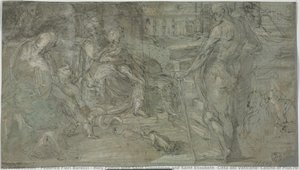
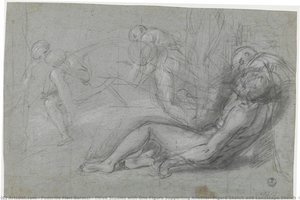
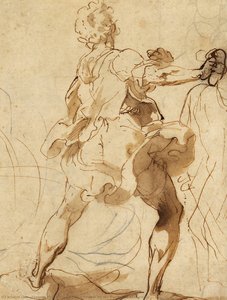
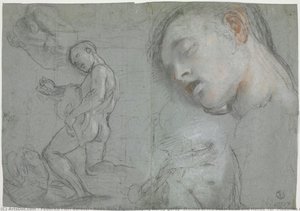
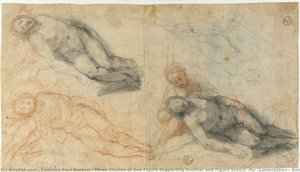
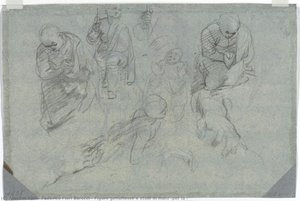
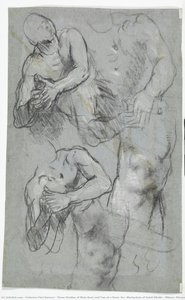
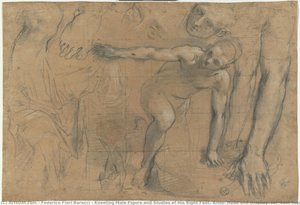
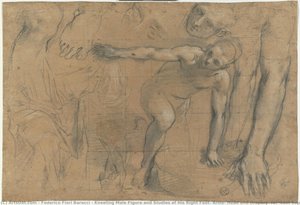
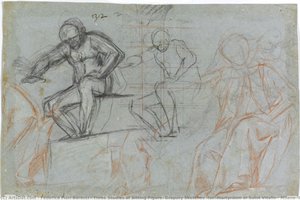
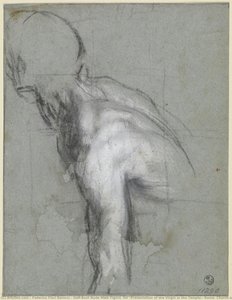
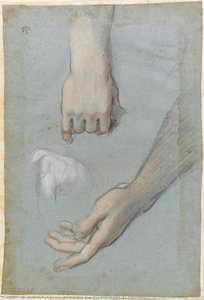
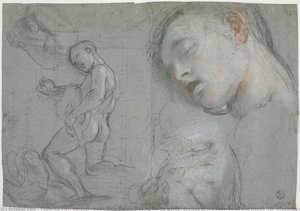
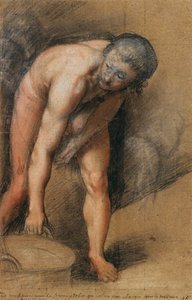
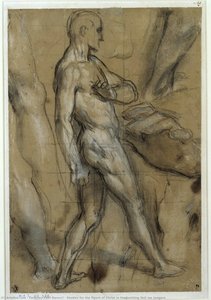
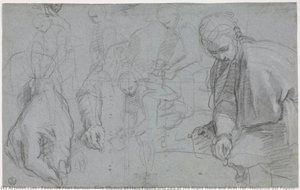
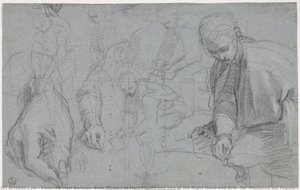
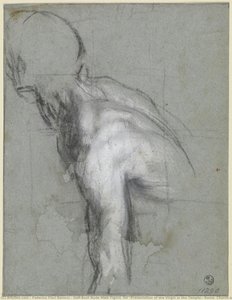
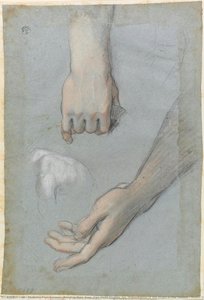
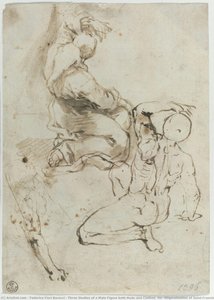
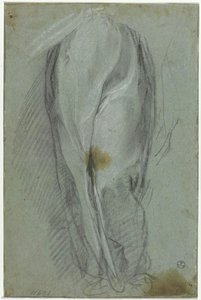
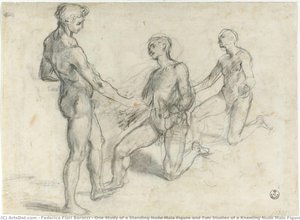
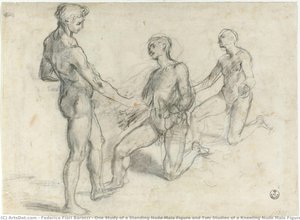
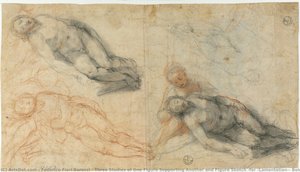
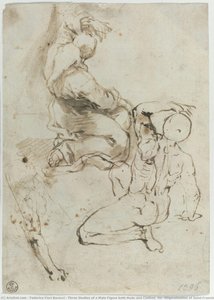
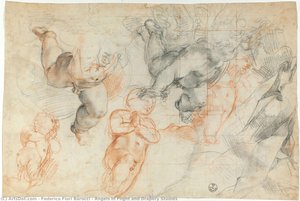
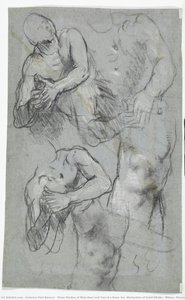
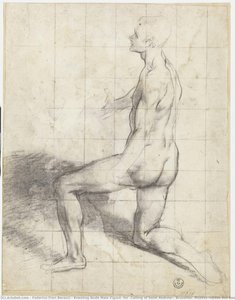
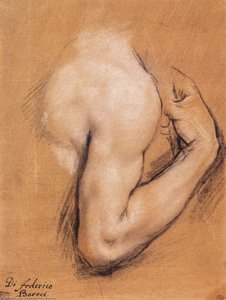
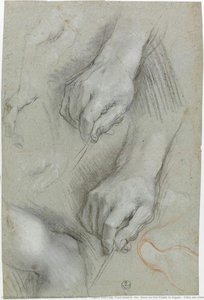
- Five Studies of Male Figure and two of His Right Hand and Arm (Uffizi Gallery, Florence, Italy) - A testament to Barocci’s skill in capturing the human form.
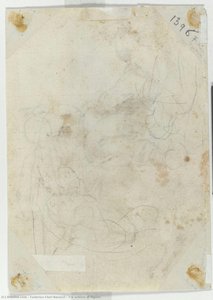
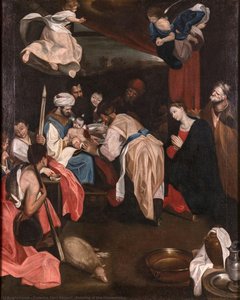
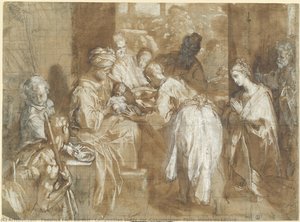
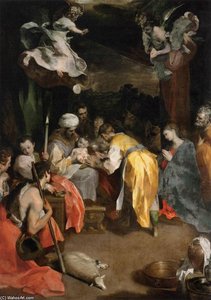
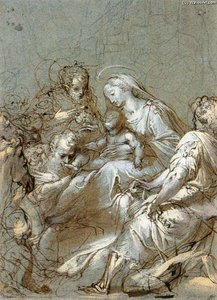
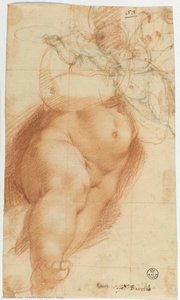
- Composition Study (for “Circumcision”, Paris, Musée du Louvre) – Demonstrates his ability to balance composition and emotion.
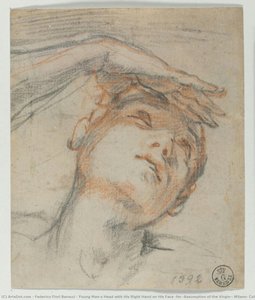
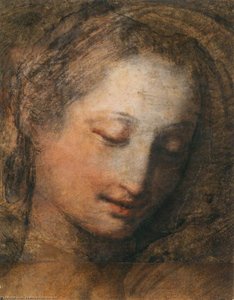
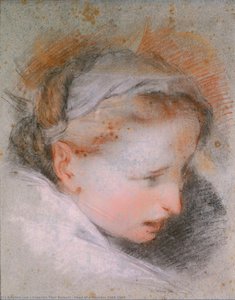
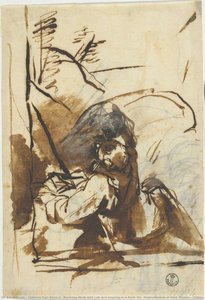
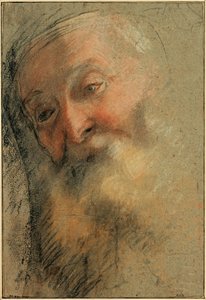
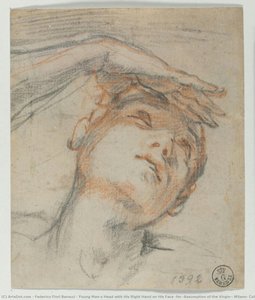
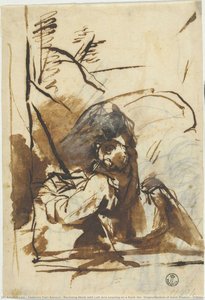
- Man’s Head (for “Calling of Saint Andrew”, Bruxelles, Musées Royaux des Beaux-Arts de Belgique) - Showcases Barocci's attention to detail and expression.
- The Nativity (1597 oil painting at the Prado).
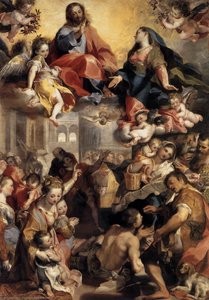
- Madonna del Popolo (Uffizi Gallery, Florence, Italy).
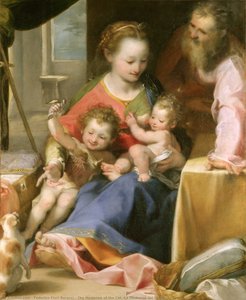
- The Madonna of the Cat (La Madonna del Gatto)
- Annunciation (1582)
Artistic Impact and Followers
- Barocci's influence can be seen in the work of various artists, including Peter Paul Rubens, who was inspired by Barocci’s dramatic and emotive brushwork.
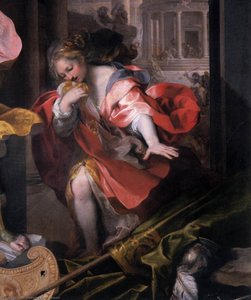
- His legacy continues to be celebrated through his numerous works, now housed in museums such as the Uffizi Gallery (Florence, Italy) and the Musée du Louvre (Paris, France).
Questions & Answers
What are the birth city and country of Federico Fiori Barocci?
Federico Fiori Barocci was born in Urbino, in Italy.
In which historical period did Federico Fiori Barocci work?
Federico Fiori Barocci worked in the Renaissance period. The period situates the artist's activity in history.
What other names is Federico Fiori Barocci known by?
Federico Fiori Barocci appears under the alternate names Federico Barocci, il Baroccio.