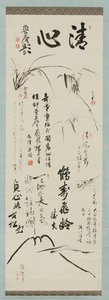
The Essence of Tradition: The Life of Gim Eung-won
In the rich tapestry of Korean art history, few names resonate with the quiet dignity and technical mastery of Gim Eung-won. Born in Seoul, South Korea, this master of the brush lived through a transformative era for his nation, yet he remained deeply anchored in the timeless traditions of Oriental painting. His life was defined by a profound devotion to the delicate interplay of ink and silk, capturing the ephemeral beauty of the natural world with a precision that spoke to both the soul and the intellect.
Gim Eung-swon's artistic journey was marked by significant leadership roles within the Korean art community. He was not merely a practitioner of his craft but a pillar of its institutional development. His dedication to the preservation and promotion of traditional aesthetics led him to serve as a lecturer and secretary for the Joseon Calligraphy and Painting Association. Furthermore, his influence extended into the very foundations of organized Korean art through his role as a founding member of the Joseon Seohwa Hyeophoe, also known as the Calligraphy and Painting Association of Korea.
Mastery of Ink and Spirit
The work of Gim Eung-won is characterized by an exquisite command over the medium of ink on silk. His compositions often focused on the classical themes of nature, where every stroke served to breathe life into the subject matter. In his celebrated works, such as those depicting orchids and rocks, one can observe a profound sense of serenity and balance. These pieces are not merely representations of flora and stone; they are meditations on strength, resilience, and the quiet elegance of existence.
His technical prowess was frequently showcased through:
- Intricate Ink Wash Techniques: Utilizing varying shades of ink to create depth, texture, and a sense of atmospheric perspective.
- Collaborative Artistry: Engaging in beautiful collaborative works, such as his "Flowers and Birds" painting, which demonstrated his ability to harmonize his vision with other skilled hands.
- Calligraphic Precision: Integrating the rhythmic beauty of calligraphy into his paintings, ensuring that the movement of the brush was as much a part of the art as the image itself.
Through these methods, Gim Eung-won achieved a level of artistry that transcended simple depiction. His ability to capture the delicate petals of an orchid or the rugged permanence of a rock allowed him to communicate complex emotions and philosophical ideals. His legacy remains a testament to the enduring power of traditional Korean ink wash painting, offering a window into a world of profound grace and historical significance.
Questions & Answers
In which historical period did Gim Eung-Won work?
Gim Eung-Won worked in the 19th-Century period. The period situates the artist's activity in history.
Where is Gim Eung-Won from?
Gim Eung-Won was born in South Korea.
What are the birthplace and birth year of Gim Eung-Won?
Gim Eung-Won was born in Seoul in 1855.
What are the birth city and country of Gim Eung-Won?
Gim Eung-Won was born in Seoul, in South Korea.