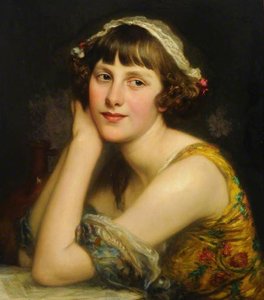
A Master of Light and Form
The legacy of Peter Alexander Hay is etched into the delicate textures of watercolor and the commanding presence of oil on canvas. A versatile Scottish artist, his talent spanned a wide range of genres, allowing him to move seamlessly between the intimate world of still-life and the grand, sweeping narratives of landscape and portraiture. His mastery was not merely in the application of pigment, but in his ability to capture the very essence of his subjects, whether they were the quiet dignity of a single flower or the complex social tapestries of a formal gathering.
His technical prowess earned him prestigious recognition within the artistic community, as evidenced by his affiliations with esteemed institutions such as the Royal Institute of Painters in Water Colours and the Royal Scottish Society of Painters in Watercolour. These credentials speak to a lifetime of dedication to the craft, reflecting a skill set that was both refined and deeply rooted in the traditions of his era. Through his work, one can observe a profound connection to the natural world and a keen eye for the human condition.
The Art of Portraiture and Narrative
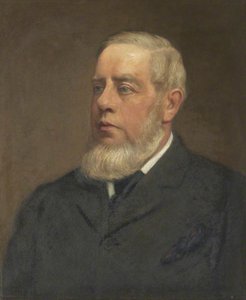
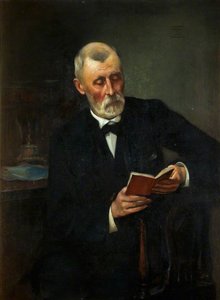
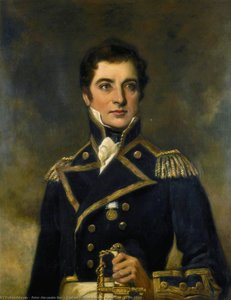
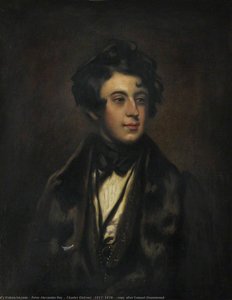
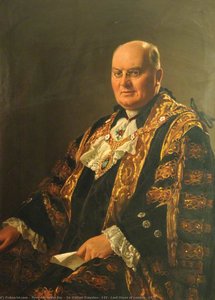
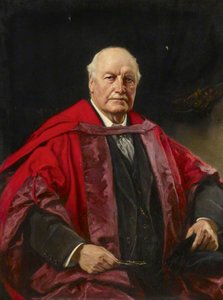
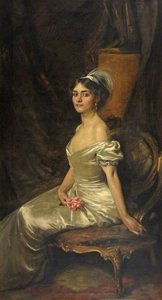
In his portraiture, Hay possessed a remarkable ability to convey character and status through meticulous detail and thoughtful composition. His works often serve as historical windows, capturing the gravity of notable figures with a realism that breathes life into the past. One might gaze upon his John Millar Thomson and feel the weight of the subject's formal red robe, or find themselves drawn into the commanding presence of Captain William Gordon Rutherford. These paintings are more than mere likenesses; they are studies in light, shadow, and the psychological depth of the sitter.
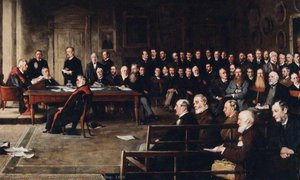
Beyond individual portraits, Hay demonstrated a unique capability for capturing collective moments and historical significance. His large-scale oil painting, College Meeting, 1889, stands as a testament to his ability to orchestrate complex scenes involving multiple figures within a setting of great institutional importance. In such works, the artist utilizes color and composition to create a sense of atmosphere and permanence, ensuring that the historical gravity of the event is felt by the viewer long after they have turned away from the canvas.
A Versatile Artistic Vision
The breadth of Hay's repertoire allowed him to explore various facets of the visual experience. While his oil paintings often leaned toward the dramatic and the monumental, his watercolor works offered a more ethereal and delicate perspective. This duality is central to understanding his contribution to the art world; he was an artist who could command the heavy textures of oil to create depth and drama, yet also possessed the restraint required for the subtle gradations of watercolor.
His artistic journey was marked by several notable achievements and recognitions:
- Genre Versatility: An accomplished practitioner of genre, still-life, portrait, and landscape painting.
- Institutional Recognition: A respected member of the Royal Institute of Painters in Water Colours and the Royal Scottish Society of Painters in Watercolour.
- Historical Documentation: A creator of works that serve as vital visual records of significant figures and institutional gatherings.
Questions & Answers
What are the birthplace and birth year of Peter Alexander Hay?
Peter Alexander Hay was born in Vienna in 1926.
What are the birth city and country of Peter Alexander Hay?
Peter Alexander Hay was born in Vienna, in Austria.