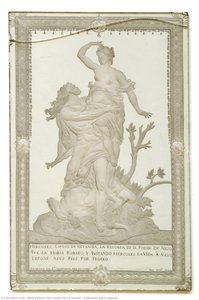
The Royal Legacy of La Granja: A Spanish Crystal Renaissance
Nestled in the serene landscape near Segovia, Spain, lies a testament to enlightened ambition and artistic prowess – the Real Fábrica de Cristales de La Granja. Founded in 1727 by Philip V, this wasn’t merely a factory; it was a royal project born from a desire to emulate the splendor of European courts and establish Spain as a center for luxury craftsmanship. The story begins with the construction of the Royal Palace of La Granja de San Ildefonso, a magnificent retreat mirroring Versailles, but lacking one crucial element: the shimmering glass needed for its windows and mirrors. Philip V sought not just functionality, but an aesthetic that rivaled the finest examples from Venice and France.
The king turned to Ventura Sit, a Catalan artisan with experience in glassmaking, though his previous venture at Nuevo Baztán had been hampered by logistical challenges. La Granja offered a solution – abundant wood resources from the Sierra de Guadarrama, providing essential fuel for the demanding glass furnaces. Sit’s initial task was modest: to produce float glass. However, Philip V's vision quickly expanded beyond simple panes. He envisioned a manufactory capable of creating exquisite crystalware, and he actively recruited skilled artisans from across Europe – Spanish, French, and German specialists each bringing unique techniques and traditions to the burgeoning workshop.
A Fusion of Techniques and Styles
The early years were characterized by experimentation and a deliberate blending of influences. The factory wasn’t confined to a single school of glassmaking; instead, it became a crucible where diverse approaches converged. Spanish artisans contributed their understanding of local materials and decorative motifs, while French craftsmen introduced innovative shaping methods and cutting styles. Perhaps most significantly, the influence of Venetian glassblowing – renowned for its delicate forms and vibrant colors – proved transformative. The factory’s success in replicating and even surpassing Venetian techniques quickly established La Granja as a major producer of *cristal de roca*, or rock crystal, highly prized by European nobility.
The organization itself reflected this international collaboration. Separate workshops were established for Spanish, French, and German glassmakers, alongside a central warehouse in Madrid to manage distribution. This structure allowed for both specialization and cross-pollination of ideas, fostering a dynamic environment where new designs and techniques flourished. The best Venetian-style glass produced during the last quarter of the 18th century stands as a testament to this successful integration of diverse skills.
Periods of Disruption and Revival
The factory’s history wasn't without its challenges. The Spanish War of Independence brought operations to a halt in 1808, forcing the closure of the furnaces. It was Ferdinand VII who initiated a revival in 1815, recognizing the importance of La Granja as a symbol of national prestige and artistic achievement. However, the factory faced increasing competition from other European glassmakers throughout the 19th century. Production gradually declined, eventually ceasing altogether in 1847.
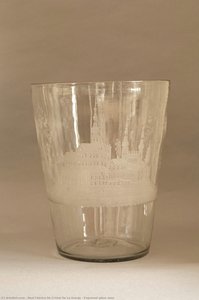
Despite its eventual closure, the legacy of La Granja endured. The exquisite crystalware produced during its active years became highly sought after by collectors and connoisseurs. Today, the Real Fábrica de Cristales de La Granja stands as a museum and cultural heritage site, offering visitors a glimpse into the world of 18th-century Spanish craftsmanship. The surviving pieces – intricately engraved vases, delicate stemware, and ornate plaques – are not merely objects of beauty; they represent a pivotal moment in Spanish art history, a time when royal patronage fostered innovation and elevated local artisans to international prominence.
Engraved Glass as a Medium for Royal Narrative
Beyond its technical achievements, La Granja’s crystalware served a crucial symbolic function. The factory became renowned for its *engraved glass*, transforming simple vessels into canvases for elaborate scenes depicting historical events, mythological narratives, and portraits of the royal family. These weren't simply decorative embellishments; they were carefully crafted statements of power, legitimacy, and cultural refinement.
For example, works like Jerónimo Corte-Real De Sousa’s ‘Lepanto,’ an illuminated manuscript depicting the Holy League's victory, demonstrate the factory’s ability to combine artistic skill with historical storytelling. The intricate details and masterful execution showcased not only the artisan’s talent but also the king’s commitment to preserving and celebrating Spanish heritage. The use of glass as a medium for these narratives was particularly significant – its transparency and luminosity lent an ethereal quality to the scenes, elevating them beyond mere representation.
A Lasting Influence on Spanish Decorative Arts
The Real Fábrica de Cristales de La Granja’s impact extended far beyond the confines of its workshops. It inspired the establishment of other royal manufactories in Spain, including the Manufactura Real de Loza Fina y Porcelana de Alcora and the Real Fábrica de Tapices, each dedicated to producing exquisite ceramics, porcelain, and tapestries respectively. These factories collectively transformed Spanish decorative arts, fostering a culture of craftsmanship and innovation that would endure for generations.
The techniques developed at La Granja – Venetian-style glassblowing, intricate engraving methods, and the fusion of diverse artistic traditions – continued to influence Spanish artisans long after the factory’s closure. Today, its legacy is preserved in museums and private collections around the world, a testament to the enduring power of royal patronage and the timeless beauty of Spanish crystal.