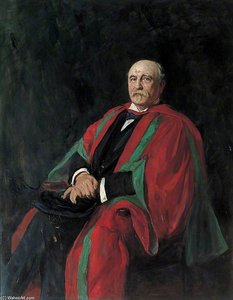
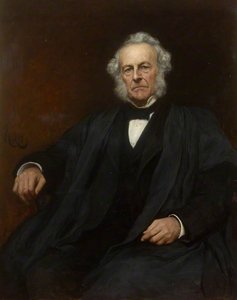
Sir Hubert von Herkomer: Life & Legacy
Early Life and Education
- Sir Hubert von Herkomer (born Hubert Herkomer on May 26, 1849 – died March 31, 1914) was a German-born British painter, film director, and composer.
- His family originated from Bavaria but faced financial struggles; his mother supplemented their income by giving music lessons.
- Herkomer’s formal education was limited due to illness, and he did not return to school after falling sick at a young age.
- He began artistic training in Southampton before attending the South Kensington Schools in 1866 for more serious study.
Artistic Career & Development
- Herkomer first exhibited at the Royal Academy in 1869, marking the beginning of his professional career.
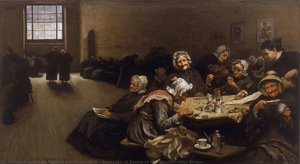
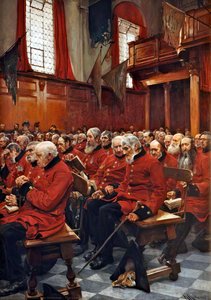
- By 1875, he had established himself as a significant artist with his oil painting, The Last Muster, based on an earlier woodblock.
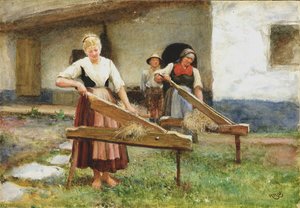
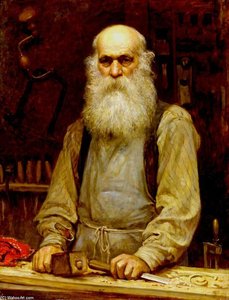
- His early works often depicted scenes of rural life and the hardships faced by the working class, reflecting a commitment to social realism.
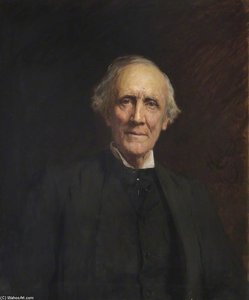
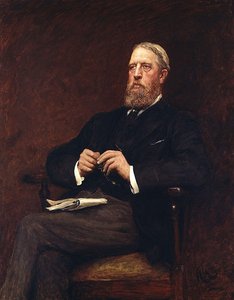
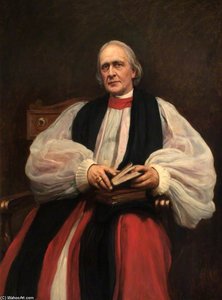
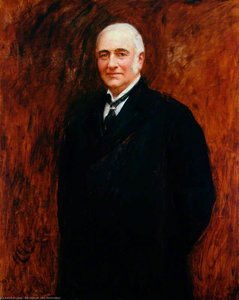
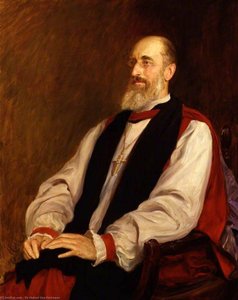
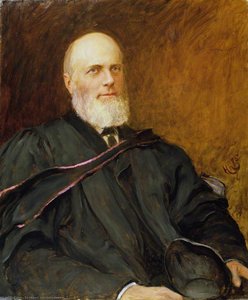
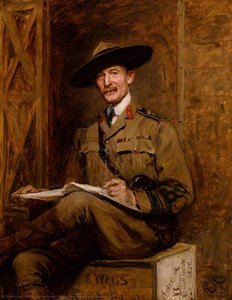
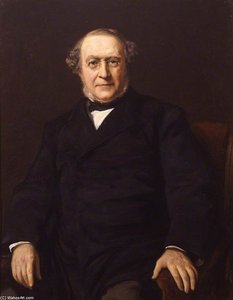
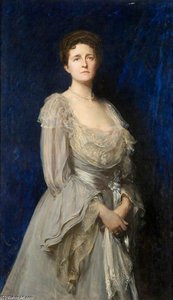
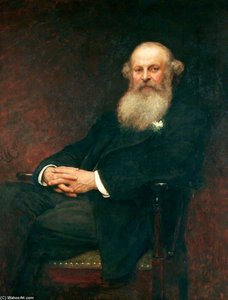
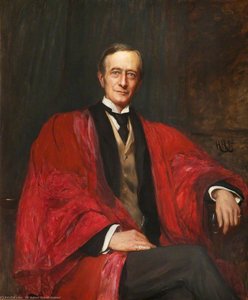
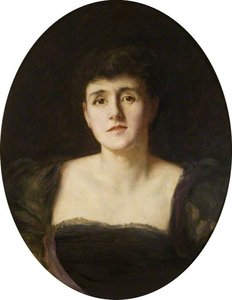
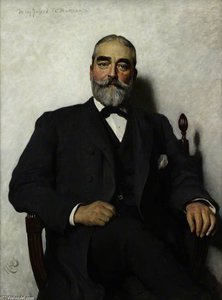
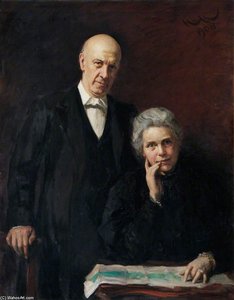
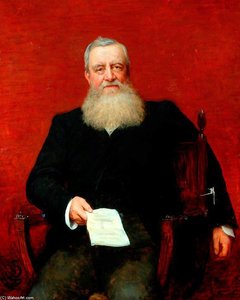
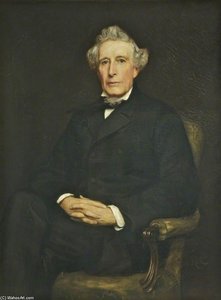
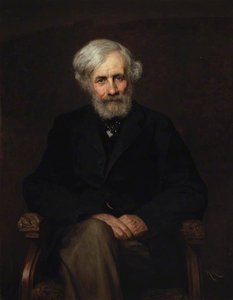
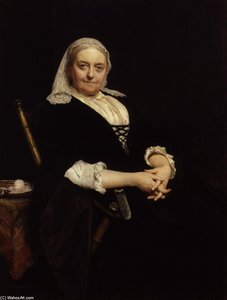
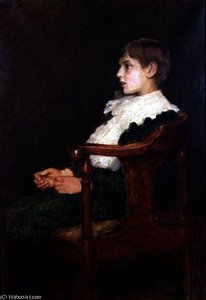
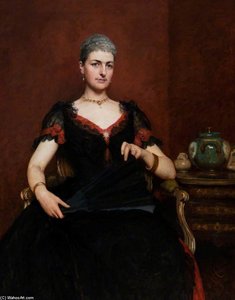
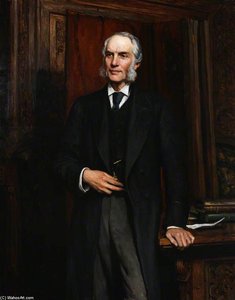
- He later became known for his portraiture, particularly of prominent men of the era.
Notable Works & Achievements
- Hard Times (1885): Perhaps his most famous work, depicting a struggling family and embodying social commentary. It is currently held at Manchester Art Gallery.
- The Last Muster (1875): A pivotal painting that solidified his reputation within the Royal Academy.
- Eventide: A Scene in the Westminster Union (1878): Another significant early work showcasing his realist style and social concerns.
- Elected an Associate of the Royal Academy in 1879 and a full Academician in 1890.
- Appointed Slade Professor of Fine Art at the University of Oxford in 1885, holding the position until 1894.
Influences & Artistic Style
- Herkomer’s work was influenced by the Realist movement and a desire to depict life accurately, particularly the lives of ordinary people.
- He drew inspiration from artists like Jean-François Millet and Gustave Courbet, who also focused on social realism.
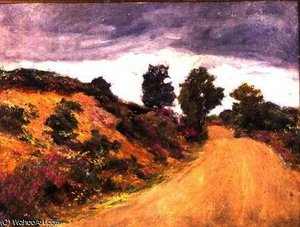
- His style evolved over time, incorporating elements of Impressionism while maintaining his commitment to detailed observation and emotional depth.
Legacy & Historical Significance
- In 1899, Herkomer was ennobled as Ritter von Herkomer by King Otto of Bavaria.
- He received the Pour le Mérite for Arts from Kaiser Wilhelm II in the same year.
- Knighted by King Edward VII in 1907, further recognizing his contributions to the art world.
- Herkomer’s work provides valuable insight into Victorian society and the social issues of his time.
- He was a pioneer in using photography as an aid to painting and also experimented with early filmmaking.
Questions & Answers
In which historical period did Sir Hubert Von Herkomer work?
Sir Hubert Von Herkomer worked in the 19th-Century period. The period situates the artist's activity in history.
Where is Sir Hubert Von Herkomer from?
Sir Hubert Von Herkomer was born in Germany.
What are the birth city and country of Sir Hubert Von Herkomer?
Sir Hubert Von Herkomer was born in Waal, in Germany.
What are the birthplace and birth year of Sir Hubert Von Herkomer?
Sir Hubert Von Herkomer was born in Waal in 1849.