Early Life and Education
- Born: June 11, 1835, Philadelphia, United States of America
- Died: February 3, 1900, Rome, Italy
- Family Background: Born into a prosperous family – his father, John Haseltine, was a successful businessman, and his mother, Elizabeth Shinn Haseltine, an amateur landscape painter.
- Formal Education: Received early education at the University of Pennsylvania before attending Harvard University, graduating in 1854.
- Early Exhibitions: First showcased his work at the Pennsylvania Academy of Fine Arts in 1855.
European Influences and Artistic Development
- European Sojourn (1857-1864): Traveled to Europe in 1857, joining a colony of American painters studying in Düsseldorf, Germany. Explored the Rhine Valley, Switzerland, and Italy.
- Düsseldorf School Influence: Exposure to European artistic traditions profoundly influenced his style. The Düsseldorf school emphasized meticulous draftsmanship and realistic depiction.
Artistic Style and Notable Works
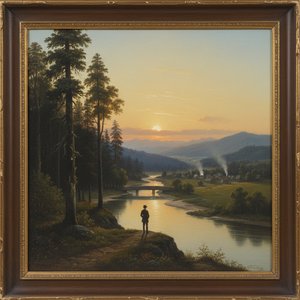
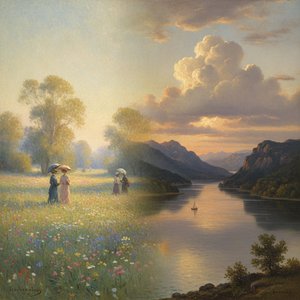
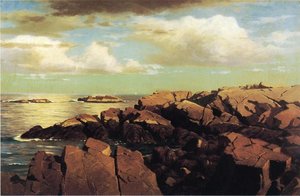
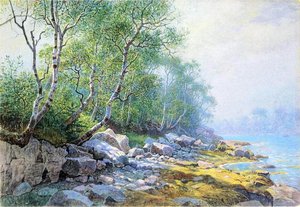
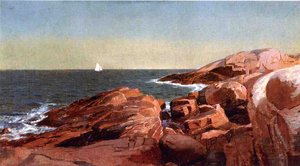
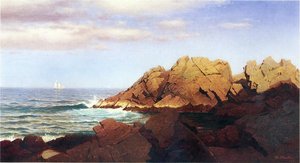
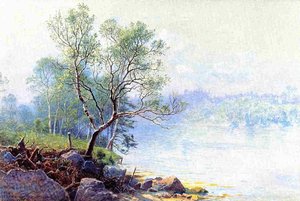
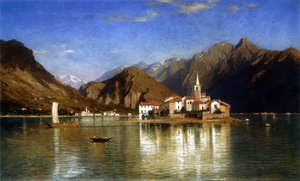
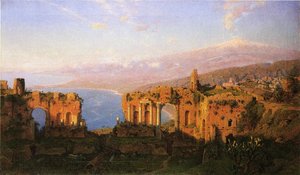
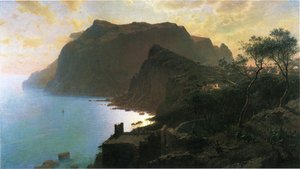
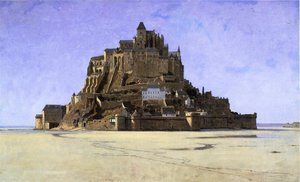
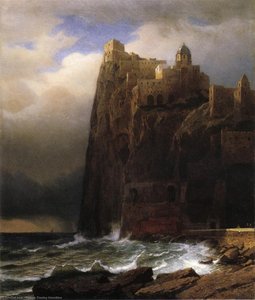
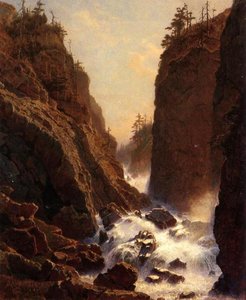
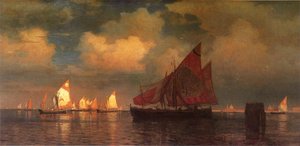
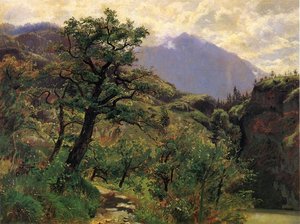
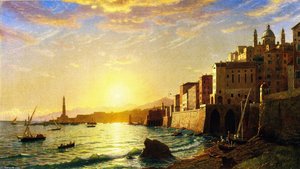
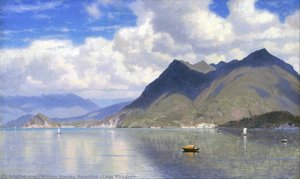
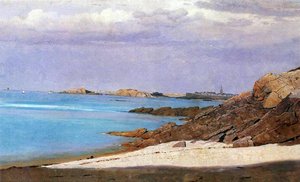
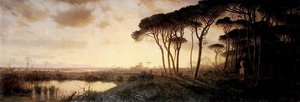
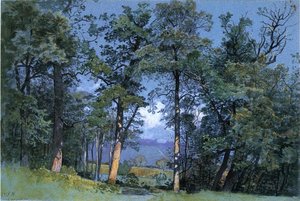
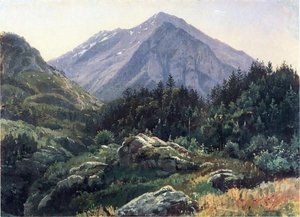
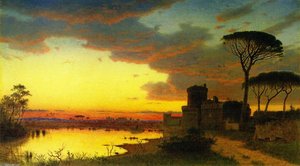
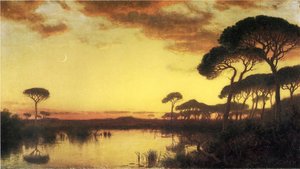
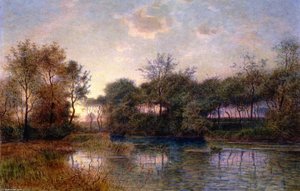
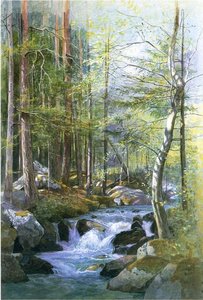
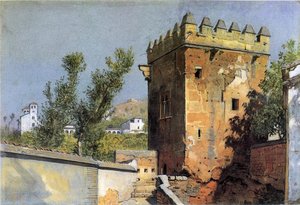
- Luminism and Realism: Paintings characterized by Luminist qualities – a focus on capturing the effects of light and atmosphere with remarkable precision, combined with a strong sense of realism.
- Hudson River School Association: Aligned with the Hudson River School tradition, celebrating the grandeur and beauty of the American landscape.
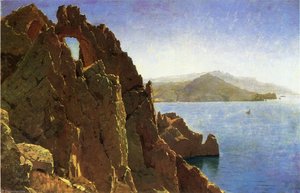
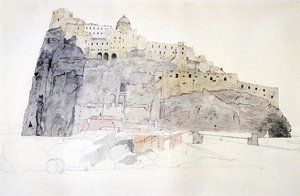
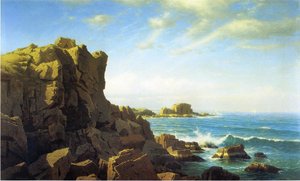
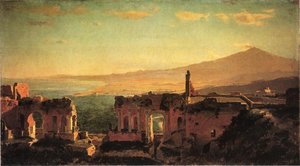
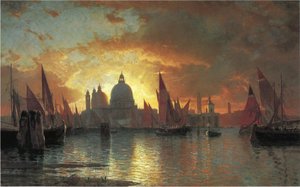
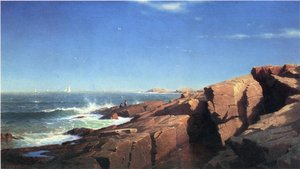
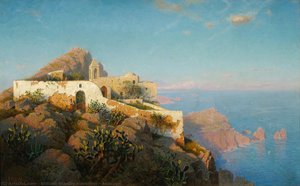
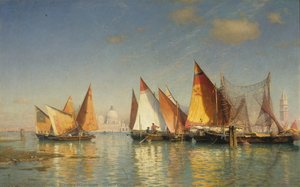
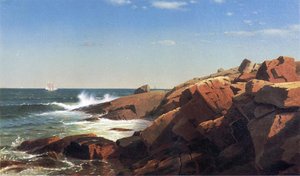
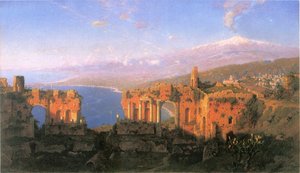
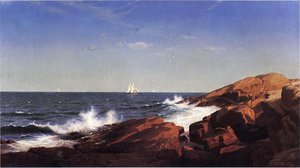
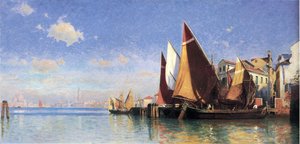
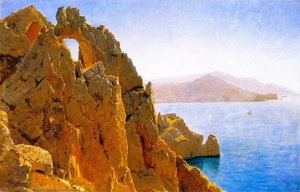
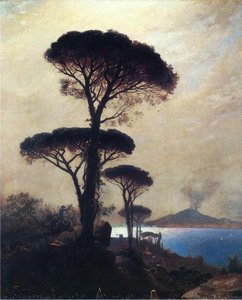
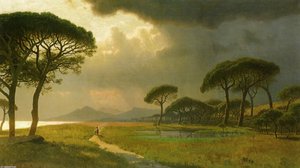
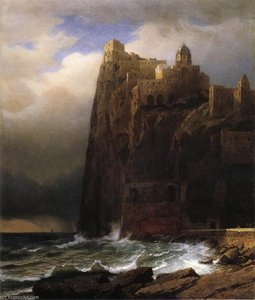
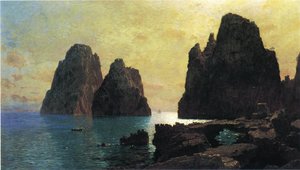
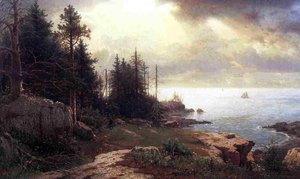
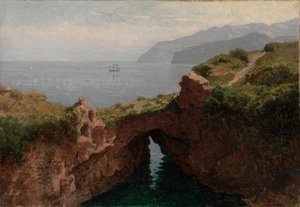
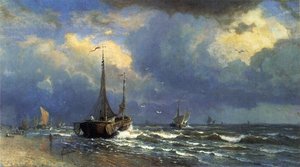
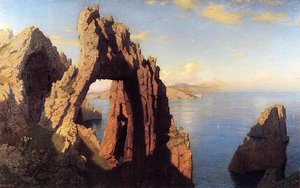
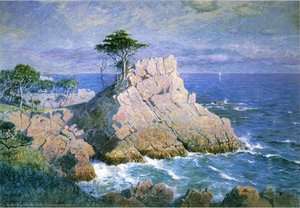
- Subject Matter: Primarily included coastal scenes from New England (particularly Nahant, Massachusetts) and Italian landscapes, including views of Capri and Venice.
- Notable Works:
- After a Shower – Nahant, Massachusetts
- Castle Rocks at Nahant, Massachusetts
- Isle of Capri: The Faraglioni
- Saint Malo, Brittany
- Rocks at Narragansett 1
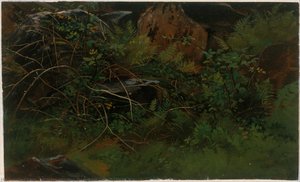
- Technical Skill: Evident in careful attention to detail, subtle gradations of light and shadow, and overall sense of atmospheric perspective.
Later Life, Legacy, and Family
- Return to America and European Residence: After returning to Philadelphia in 1858, settled permanently in Rome, Italy.
- Membership in Artistic Organizations: Elected an Associate of the National Academy of Design in 1860 and a full Academician in 1861.
- Founding Member of Saint Paul's Church: Founding member of the Episcopal Church of Saint Paul’s Within the Walls in Rome.
- Family Legacy: His son, Herbert Chevalier Haseltine, achieved fame as a sculptor specializing in animal figures.
- Death and Burial: Died of pneumonia in Rome in 1900 and is buried at the Protestant Cemetery in Rome.
Historical Significance
- Contribution to Luminism: Played a significant role in popularizing and refining the Luminist style.
- Bridging European and American Traditions: Integrated European techniques with an American sensibility for landscape painting.
- Detailed Observation of Nature: Meticulous depictions of nature provide valuable visual records of landscapes that have undergone changes over time.
- Influence on Subsequent Artists: Emphasis on atmospheric effects and realistic detail influenced later generations of American landscape painters.
Questions & Answers
What are the birth city and country of William Stanley Haseltine?
William Stanley Haseltine was born in Philadelphia, in United States of America.
What are the birthplace and birth year of William Stanley Haseltine?
William Stanley Haseltine was born in Philadelphia in 1835.
In which historical period did William Stanley Haseltine work?
William Stanley Haseltine worked in the 19th-Century period. The period situates the artist's activity in history.
Where is William Stanley Haseltine from?
William Stanley Haseltine was born in United States of America.