A Breton Soul Captured in Art Deco Landscapes
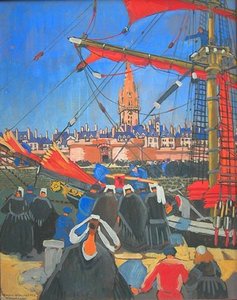
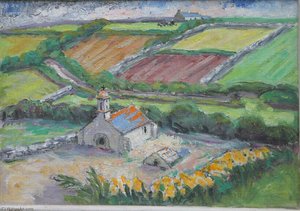
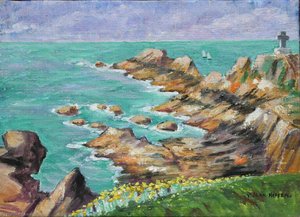
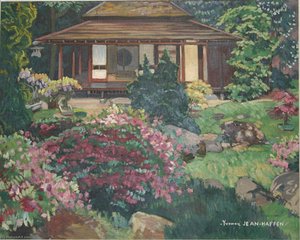
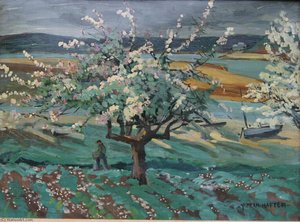
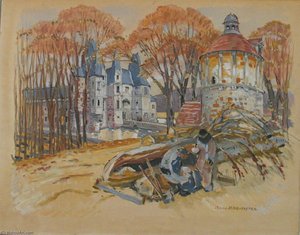
Yvonne Jean Haffen (1895 – 1993) emerged from the vibrant artistic milieu of Paris, yet her heart belonged to Brittany—specifically the rolling hills of Dinan and its surrounding landscapes. Born into a family steeped in artistic tradition, she honed her skills independently, eschewing formal training for a profound connection with nature and a masterful grasp of Art Deco aesthetics. Her canvases bear witness to a beautiful duality, presenting serene Breton vistas imbued with geometric precision and luminous color palettes characteristic of the era. Through her eyes, the rugged beauty of France was transformed into something both timeless and modern.Early Life and Artistic Influences
Little is known about Haffen’s formative years beyond her birth in Paris, yet anecdotal evidence suggests she possessed an innate talent for drawing from a young age—a gift nurtured by her father, who was himself a painter. This familial encouragement undoubtedly fostered her artistic inclinations and instilled within her a lifelong appreciation for visual expression. Crucially, Haffen absorbed the stylistic currents of Art Deco, which dominated European design during the 1920s and 30s. The streamlined forms, bold colors, and stylized ornamentation found in the architecture and decorative arts of the time profoundly impacted her artistic vision. In developing her unique voice, artists like Maurice Sterne and Jean Dubois served as important references, helping her bridge the gap between classical observation and modern stylization.The Breton Landscape: A Recurring Motif
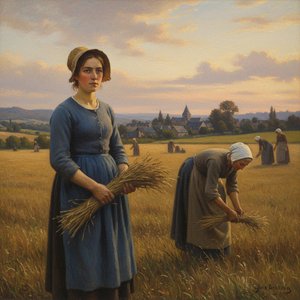
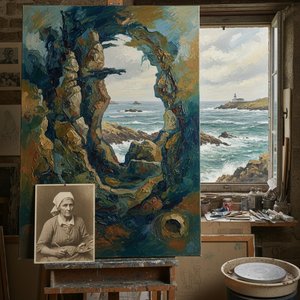
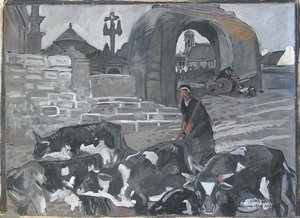
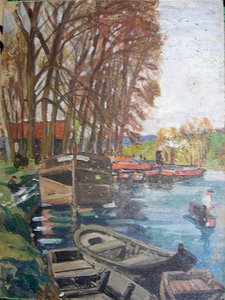
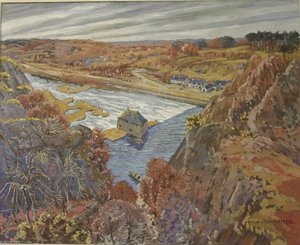
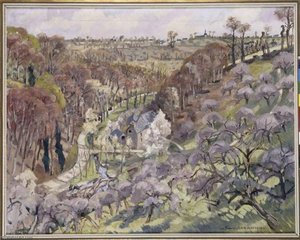
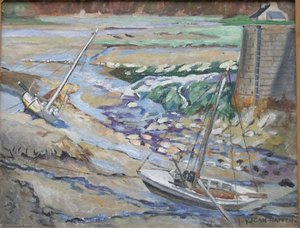
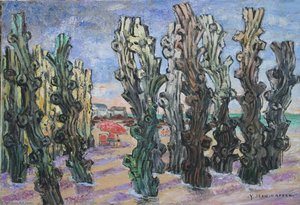
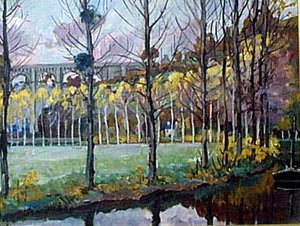
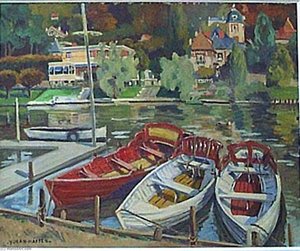
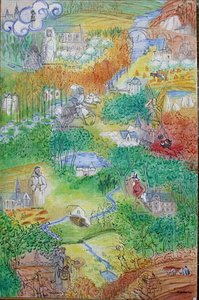
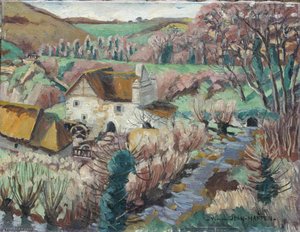
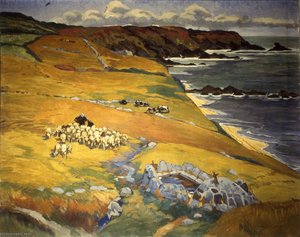
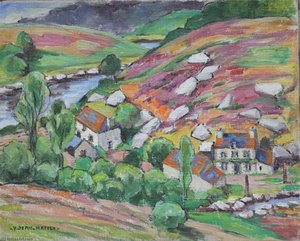
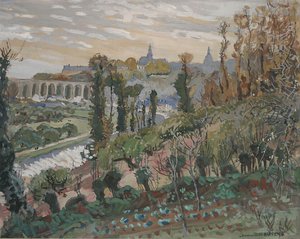
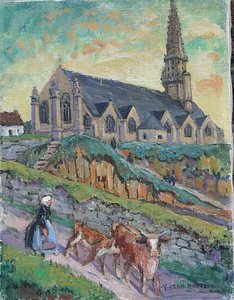
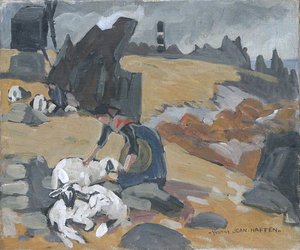
Haffen’s oeuvre is overwhelmingly devoted to depicting Brittany's rural landscapes, with particular reverence for the Vallée de la Rance and Dinan vu de la Grande Vigne. These paintings are far more than mere topographical representations; they are imbued with a palpable sense of atmosphere and emotion. She skillfully employed techniques reminiscent of Impressionism, blending brushstrokes to capture fleeting moments of light and color, yet she tempered this approach with the geometric rigor of the Art Deco movement. The resulting compositions convey both tranquility and dynamism—a reflection of the region’s inherent beauty and vitality. Her work captures the essence of a disappearing rural world, frozen in a state of graceful, structured elegance.Legacy and Artistic Significance
The significance of Yvonne Jean Haffen lies in her ability to marry the organic unpredictability of nature with the controlled sophistication of early 20th-century design. While many of her contemporaries focused on the frantic energy of urban modernization, Haffen looked toward the pastoral, finding a way to translate the rustic charm of Brittany into a language of modern form. Her legacy is found in:- The Synthesis of Styles: Her unique ability to blend Impressionist light with Art Deco structure.
- Regional Preservation: Her role in documenting the atmospheric landscapes of the Rance Valley and Dinan.
- Independent Mastery: The achievement of a sophisticated, professional style through self-directed study and familial inspiration.
Questions & Answers
In which historical period did Yvonne Jean Haffen work?
Yvonne Jean Haffen worked in the Modern period. The period situates the artist's activity in history.