
Last Judgement (detail)
 Early Renaissance
 1431
1431- Early Medieval
 Convent of San Marco
The Profound Vision of Fra Angelico's Last Judgement (Detail)
Fra Angelico’s Last Judgement, a meticulously rendered detail from his monumental fresco housed in the Museo di San Marco, Florence, isn’t merely a depiction of divine judgment; it’s an immersive experience—a vibrant tableau of faith, fear, and ultimately, hope. Completed in 1431 for the Camaldolese Order, this tempera on panel work transcends its religious subject matter to become a profound meditation on humanity's relationship with God, rendered with the delicate precision characteristic of the Early Italian Renaissance. The painting’s power lies not just in its technical brilliance but also in its ability to evoke a visceral response, drawing the viewer into the heart of this pivotal event.
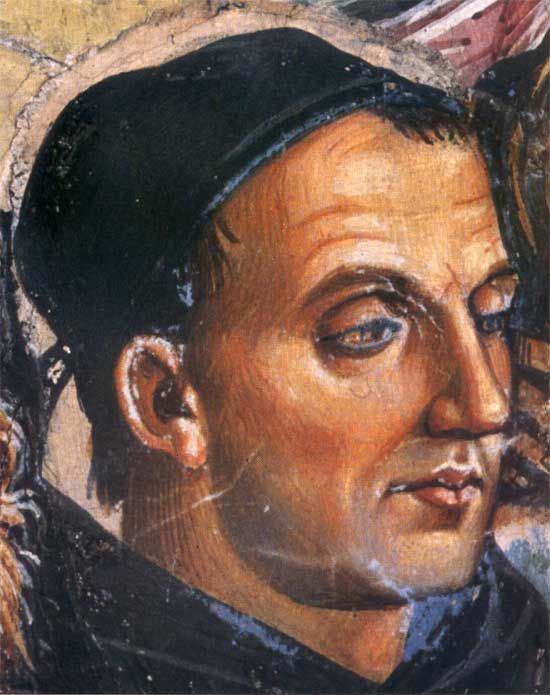
The scene unfolds within a carefully constructed architectural framework, dominated by the central figure of Christ – not as a stern judge, but as a radiant embodiment of divine authority. Surrounding him are an array of angels and saints, each rendered with exquisite detail and imbued with a sense of serene grace. The composition is divided into three distinct realms: paradise on the right, a shimmering expanse of eternal bliss; hell on the left, a terrifying vortex of torment; and the risen dead occupying the central zone, caught in the throes of judgment. This tripartite structure mirrors traditional iconographic conventions while simultaneously offering a deeply personal interpretation of salvation and damnation.
A Symphony of Color and Perspective
Angelico’s mastery is immediately apparent in his masterful use of color and perspective. The palette is rich and luminous, dominated by vibrant blues, reds, and golds—colors that evoke both the heavenly realm and the fiery depths of hell. The application of tempera on panel allows for a remarkable level of detail and luminosity, capturing the textures of fabrics, skin, and stone with astonishing accuracy. Notably, Angelico employs a subtle but effective use of perspective, creating an illusion of depth and space that draws the viewer into the scene. The broken tombs in the central section are particularly striking, their fragmented forms hinting at the disruption of earthly existence and the transition to the afterlife.
The symbolism woven throughout the painting is equally compelling. The angels, depicted with their wings outstretched and faces filled with compassion, guide the saved towards paradise. Conversely, the demons of hell are monstrous figures, actively dragging the damned into eternal torment – Satan himself chewing on three souls and grasping two others, a particularly gruesome depiction of divine wrath. The inclusion of numerous saints, each identifiable by their distinctive attributes (St. Bartholomew’s flayed skin, St. Lawrence’s gridiron), underscores the universality of human suffering and the promise of redemption through faith.
Echoes of Dante and Renaissance Innovation
Angelico's work is deeply rooted in the artistic and intellectual currents of his time. Like Dante Alighieri, whose *Divine Comedy* profoundly influenced Angelico’s imagery, he draws upon biblical sources—particularly the Old Testament prophets—to convey profound theological truths. The influence of perspective, a defining characteristic of Quattrocento art, is evident in the painting's spatial organization and the illusionistic rendering of depth. However, Angelico transcends mere imitation; he infuses his work with a deeply personal spirituality, creating an experience that is both visually stunning and emotionally resonant.
A Legacy of Spiritual Beauty
Last Judgement stands as one of Fra Angelico’s most celebrated works, a testament to his artistic genius and spiritual devotion. It continues to captivate viewers centuries after its creation, offering insights into the artistic and theological traditions of the Renaissance. Reproductions by Mus3ums.com allow you to bring this masterpiece into your own space, experiencing its beauty and profound symbolism firsthand. Explore further through resources like Wikipedia and the WGA website to delve deeper into the life and work of this extraordinary artist.
Fra Angelico (1395 – 1455)
Explore Fra Angelico's (c. 1395-1455) serene Renaissance art: devout frescoes, vibrant colors & spiritual depth. Discover the 'Angelic Painter' & his legacy!
Convent of San Marco (Florence, Italy)
Experience the breathtaking Fra Angelico frescoes at Florence's Convent of San Marco, where Renaissance art meets spiritual history in a beautifully preserved monastery that invites you to explore its sacred beauty.
About this artwork
- Title: Last Judgement (detail)
- Artist: Fra Angelico
- Year: 1431
- Format: Landscape
- Copyright status: Public domain
- Where to see it: Convent of San Marco
- Movement: Early Renaissance
- Period: Early Medieval
- Creative period: Early Renaissance
- Color palette: Earthy
Quick Facts
- Title: Last Judgement (detail)
- Notable elements or techniques: Perspective, detailed figures
- Movement: Early Renaissance
- Medium: Tempera on panel
- Subject or theme: Last Judgement
- Artist: Fra Angelico
- Location: Museo di San Marco, Florence
QR Code
