



A Legacy Sculpted in Stone and Spirit
Nestled within the architectural splendor of Vienna’s Ringstraße, the Academy of Fine Arts Vienna (Akademie der bildenden Künste Wien) stands as far more than a mere educational institution; it is a living, breathing testament to centuries of artistic evolution. Founded in 1688 under the patronage of Emperor Leopold I, this venerable academy was born from a desire to mirror the prestigious traditions of the Accademia di San Luca in Rome and the French Académie. For over three centuries, it has served as a bastion guarding the flame of creativity, acting as both a sanctuary for classical mastery and a laboratory for the avant-garde. To walk through its halls is to traverse the very timeline of European art history, where the echoes of Baroque grandeur meet the experimental whispers of the modern age.
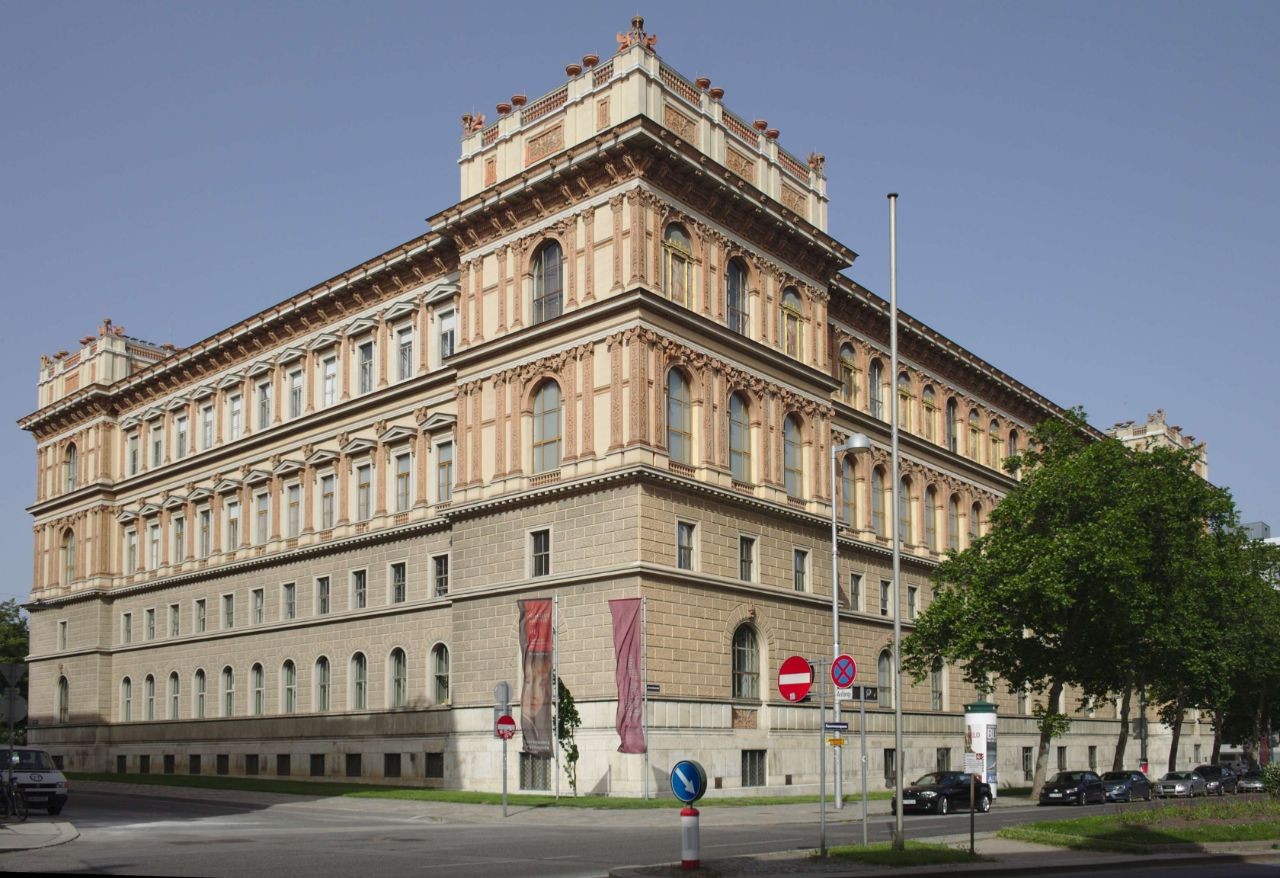
The physical presence of the Academy is itself an encounter with monumental beauty. Designed by the renowned architect Theophil Hansen in 1877, the edifice is a crowning jewel of the Ringstraße project, embodying the opulent spirit of the late nineteenth-century Austro-Hungarian Empire. Its soaring façade, adorned with intricate sculptural reliefs that depict figures from classical mythology and pivotal moments in Viennese history, serves as a grand introduction to the treasures held within. The interior spaces are equally breathtaking, featuring monumental ceilings painted by masters such as Franz Münzberger and even the legendary Gustav Klimt . For the art lover or interior designer, the building offers an unparalleled masterclass in Beaux Arts elegance blended with subtle modernist influences, creating an atmosphere where every corner tells a story of imperial prestige and artistic ambition.
A Crucible of Masterpieces and Innovation
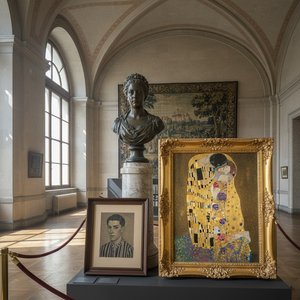
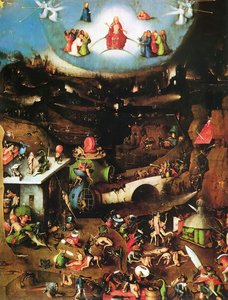
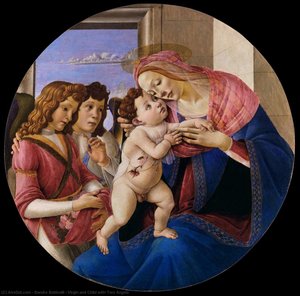
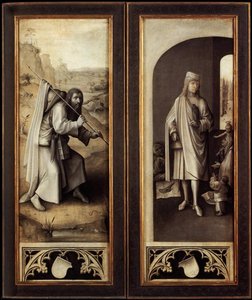
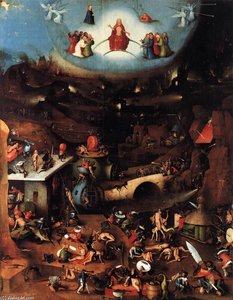
What distinguishes the Academy from traditional museums is its dual identity as both a repository of historical greatness and a dynamic workshop for the future. The collection housed within its walls provides a tangible connection to the titans of art history, featuring works that resonate with profound technical skill and emotional depth. Visitors can find themselves in silent dialogue with the legacies of Rubens, Rembrandt, Bosch, and Michelangelo Unterberger . These masterpieces do not merely sit in static display; they exist alongside the contemporary explorations of current students and faculty, creating a unique tension between tradition and progress. This continuity of spirit ensures that the Academy remains a vital participant in the global art discourse rather than a silent mausoleum.
The Academy’s history is also marked by moments of profound ethical significance, most notably its unwavering refusal to admit Adolf Hitler during his failed applications in 1907 and 1908—a decision that remains a powerful symbol of the institution's dedication to artistic merit over political ideology. Today, this commitment to integrity continues through a diverse curriculum that spans painting, sculpture, architecture, and graphic arts, while bravely embracing the digital frontier. For collectors and enthusiasts, the Academy represents the very source of artistic lineage; it is a place where one can witness the raw process of creation—from the first charcoal sketch to the finished, polished masterpiece—making it an essential destination for anyone captivated by the enduring power of visual expression.