A Symphony of Steel and Spirit
In the industrial heart of Ohio, where the echoes of a storied past meet the bold ambitions of the future, stands the Akron Art Museum —a sanctuary where modernity breathes through glass and light. To step into this institution is to embark on a journey through time, moving from the quiet, dignified halls of its 1899 Italian Renaissance revival foundation into a breathtaking architectural dialogue with the contemporary world. The museum’s evolution, which began in 1922 within the modest confines of a public library basement, mirrors the very essence of artistic growth: a persistent, beautiful striving toward new horizons.
The physical experience of the museum is nothing short of transformative, particularly through its spectacular expansion designed by the visionary Viennese firm Coop Himmelb(l)au . The John S. and James L. Knight Building introduces a dramatic, avant-garde energy to the Akron skyline, anchored by the "Crystal," a soaring three-story glass lobby that dissolves the boundaries between the street and the gallery. Above, the "Roof Cloud" —a massive, 327-foot cantilevered structure of steel and aluminum—defies gravity, casting a shadow of innovation over the city. For interior designers seeking inspiration, this interplay of transparency, weightlessness, and structural audacity offers a masterclass in how space can dictate emotion and movement.
A Tapestry of Human Expression
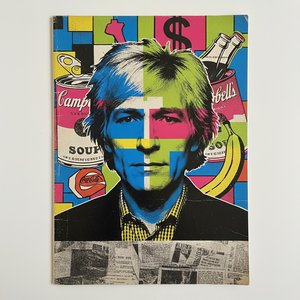
Within these luminous volumes, the collection unfolds as an eclectic tapestry of the human experience. The museum’s curation spans from the delicate realism and American Impressionism of the late nineteenth century to the provocative, high-impact statements of the postmodern era. One might find themselves captivated by the monumental scale of Chuck Close’s Linda , a work of photorealism that demands an intimate confrontation with detail, or perhaps lost in the vibrant, consumerist commentary of Andy Warhol’s Brillo Boxes and Single Elvis .
The museum also serves as a vital custodian of regional identity, offering profound tributes to Ohio’s artistic heritage through the evocative landscapes of William Sommer and the spiritually charged, animated relief sculptures of Elijah Pierce . This collection is not merely a repository of objects but a living narrative that includes:
- Western Art (1850–1950): Found within the museum's 1899 building, featuring turn-of-the-century realism and American Impressionism.
- Modernism and Regionalism: Exploring the artistic shifts in northeast Ohio from 1910 through 1950.
- Postmodern Excellence: Showcasing contemporary painting, sculpture, photography, and video within the modern Knight building.
A Beacon of Community and Inclusion
What truly distinguishes the Akron Art Museum is its role as a vibrant community hub, where the boundaries between spectator and creator are perpetually blurred. Through its commitment to accessibility—exemplified by its KultureCity® Sensory Inclusive™ Certification —the museum ensures that the profound beauty of contemporary art is available to all. Whether through blockbuster temporary exhibitions that bring international masterpieces to local shores or through educational programs that cultivate the next generation of visionaries, the museum remains a beacon of modernity. It is a place where history does not merely reside in the past but actively inspires the visions of tomorrow.