

A Legacy Etched in Stone: The Andalusian Archives of Seville
In the beating heart of Seville , a city where the air is thick with the romance of Spanish history and the lingering echoes of fallen empires, stands the Archivo General de Indias . It is far more than a mere repository for parchment and ink; it is a breathtaking embodiment of global ambition, power, and the complex, often turbulent interplay between cultures that defined an era of discovery. As a UNESCO World Heritage site , standing in solemn companionship with the magnificent Seville Cathedral and the Alcázar, these archives serve as a monumental testament to the enduring legacy of exploration, conquest, and the intricate colonial administration that once bridged continents.
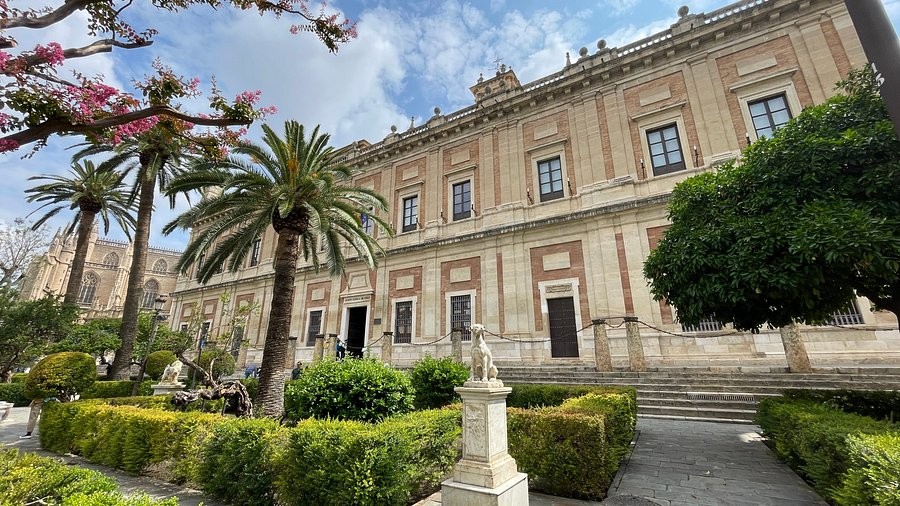
The architecture itself is a profound narrative of Renaissance grandeur. Conceived by the legendary Juan de Herrera —the master architect behind the Escorial monastery—the building’s design was a deliberate statement of prestige. It represents the transformation of a former merchant guild hall into a soaring symbol of royal authority and scholarly pursuit. Completed under the watchful eyes of master builders such as Juan de Mijares and Alonso de Vandelvira , the imposing square structure exudes an aura of stability and grace. To step inside is to enter a sanctuary of history, where sunlight filters through arched windows to illuminate centuries of accumulated human knowledge, casting a golden glow upon the very bones of Spanish ingenuity.
A Chronicle of Global Encounters
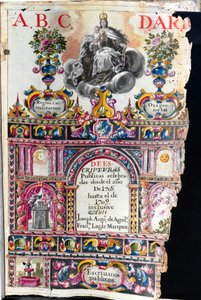
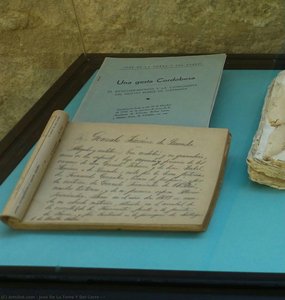
Established by King Charles III , the Archives were born from a pragmatic necessity: the need to consolidate the scattered, precious records of Spain’s vast colonial holdings. This was not merely an act of bureaucratic organization but a strategic maneuver to solidify Spain’s claim to dominion over territories stretching across the Atlantic and beyond. Within these hallowed walls reside royal decrees that dictated the governance of distant lands, official correspondence that illuminated the delicate dance of diplomacy, and meticulously crafted maps that charted expeditions into the great unknown.
These documents are the visual chronicles of an expanding world, where one can trace the legendary voyages of Columbus through the accounts of his financiers or encounter manuscripts that whisper of the literary brilliance of Cervantes . What truly distinguishes the Archivo General de Indias is its capacity to offer a multifaceted perspective on the human story:
- Imperial Records: The collection predominantly reflects the Spanish imperial viewpoint, documenting the administrative reach of an empire.
- Indigenous Fragments: It holds invaluable fragments of indigenous experiences, offering a nuanced window into the encounters between civilizations.
- Cultural Evolution: The archives reveal the social customs, religious transformations, and artistic expressions that emerged from the collision of worlds.
For the historian and the art lover alike, these archives are not a static repository of dead documents, but a living, breathing resource. It is an immersive journey into the intellectual and cultural soul of Spain, inviting every visitor to contemplate the intricate tapestry of our shared global past.