

A Sacred Intersection of Art and Devotion
To step within the hallowed halls of the Archbishop’s Palace in Florence is to surrender oneself to a profound dialogue between the earthly and the divine. This is not merely a repository of artifacts, but a living chronicle of Florentine identity, where the weight of ecclesiastical history meets the luminous brilliance of the Renaissance. As one wanders through its corridors, the atmosphere remains thick with the whispers of centuries past, offering an immersive journey into the heart of Italy’s spiritual and cultural epicenter. The palace serves as a vital bridge between the monumental grandeur of the nearby Cathedral and the intimate, contemplative spaces of religious life, creating a sanctuary where history and faith are inextricably interwoven.
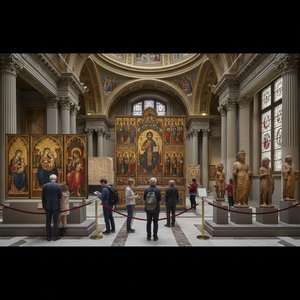
The collection itself stands as a breathtaking testament to the power of devotional iconography. At the very soul of the gallery lies the poignant mastery of Filippo di Tommaso Lippi , whose “Man of Sorrows” remains an unparalleled cornerstone of Florentine art. In this work, the viewer is confronted with the raw, human vulnerability of Christ, rendered with a precision that captures both physical suffering and spiritual transcendence. This emotional depth is beautifully complemented by the radiant splendor of Renaissance mosaics, which adorn the sacred spaces with vibrant hues and intricate patterns, casting a celestial light upon the surrounding architecture. These works do more than decorate; they instruct and inspire, acting as windows into the profound piety of a bygone era.
Architectural Legacy and Epigraphic Treasures
Beyond the painted masterpieces, the palace preserves the very linguistic and scholarly foundations of Florence through its collection of ancient epigraphs. These stone inscriptions are invaluable treasures, offering tangible links to the city's historical narratives and the intellectual traditions of its learned clergy. They serve as silent witnesses to the evolution of Florentine thought, providing a window into the scholarly rigor that once defined this sacred residence.
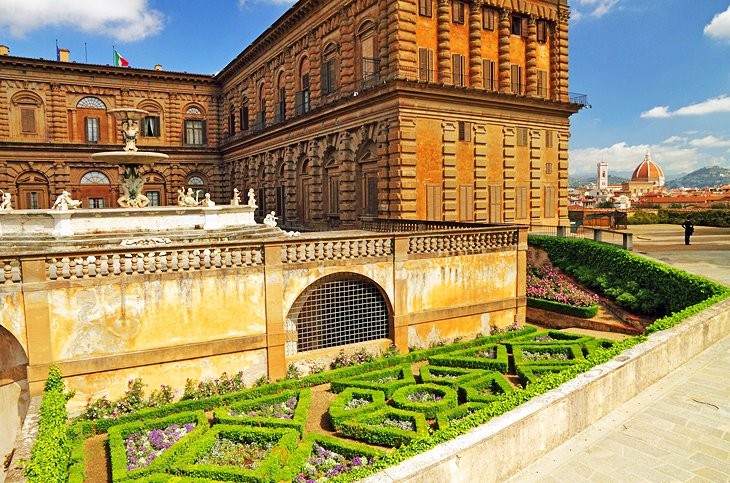
The architecture of the palace itself reflects this layered history, embodying the evolving sophistication of Florentine palatial design. While much of its structural evolution remains a subject of scholarly fascination, the building stands as a monumental symbol of the Archbishops' enduring influence over the civic and spiritual life of the city. For the discerning collector or interior designer, the Archbishop’s Palace offers an unparalleled masterclass in opulent elegance . The interplay of rich textures, gilded ornamentation, and masterful craftsmanship provides a timeless blueprint for creating spaces of profound character and prestige. Whether one is drawn to the dramatic tension of Renaissance religious art or the intricate beauty of mosaic work, the palace remains a unique cultural landmark where the legacy of human creativity and the pursuit of divine grace continue to illuminate the Florentine soul.