
The Resurrection of Lecumberri
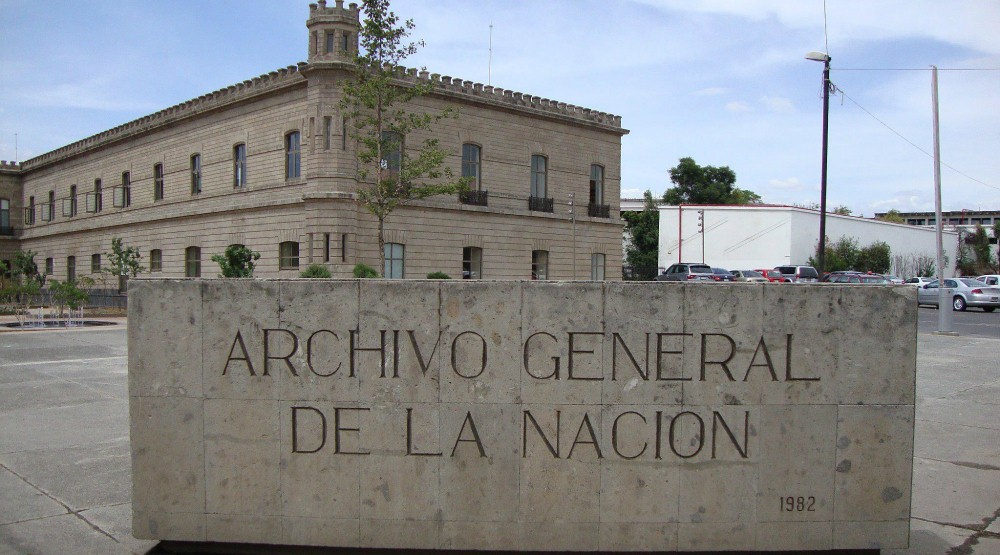
In the heart of Mexico City, where the echoes of the past meet the vibrant pulse of the present, stands a monument to transformation: the Archivo General de la Nación . Housed within the formidable Palacio de Lecumberri , this structure tells a story far more profound than its stone walls suggest. Once known as the "Black Palace," a grim penitentiary that cast long shadows over the late 19th and early 20th centuries, the building has undergone a breathtaking metamorphosis. The architecture itself is a masterclass in stylistic tension; the Neo-Classical grandeur, designed by architect Ignacio Gómez Bernal , commands respect with its imposing façade, yet it is punctuated by delicate Art Nouveau flourishes that hint at a hidden, more graceful soul. For the discerning eye, the palace represents a triumph of cultural reclamation, where the heavy weight of incarceration has been replaced by the lightness of shared heritage and the preservation of national memory.
A Tapestry Woven in Ink and Parchment
To step into the AGN is to enter a sanctuary where time itself is meticulously curated. The collections held within these walls are not merely administrative records but are, in essence, the very DNA of Mexican identity . Here, the narrative of a nation unfolds through a kaleidoscope of eras. One might find themselves lost in the ancient whispers of Tenochtitlan, where records of Aztec civilization reveal a sophisticated world of complex social structures and artistic brilliance long before the Spanish arrival. As the pages turn, the heavy, authoritative ink of the colonial era emerges, detailing the intricate legal and ecclesiastical life of New Spain. This is followed by the fervent chronicles of the Independence movement and the raw, personal correspondence of the Mexican Revolution. For collectors of history and lovers of the aesthetic, these documents are treasures of texture and tone—each piece of parchment a canvas upon which the struggles, triumphs, and evolution of a people have been indelibly etched.
The Living Archive: A Destination for the Soul
What truly distinguishes the Archivo General de la Nación is its refusal to remain a silent tomb of dead letters. It exists as a living, breathing entity that bridges the gap between scholarly rigor and public wonder. Through engaging exhibitions that traverse themes from indigenous artistry to the cinematic magic of early Mexican film, the institution invites the world to participate in its ongoing dialogue. For the interior designer or the art enthusiast, the AGN offers more than just historical insight; it provides a profound sense of place and a connection to the enduring human spirit. It is a rare space where the solemnity of preservation meets the accessibility of modern culture, offering a contemplative experience within its serene courtyards. In every corner of this architectural marvel, one finds a testament to the power of memory—a reminder that even the darkest of histories can be repurposed into a luminous celebration of life and legacy.