

A Sanctuary of Sound and Vision
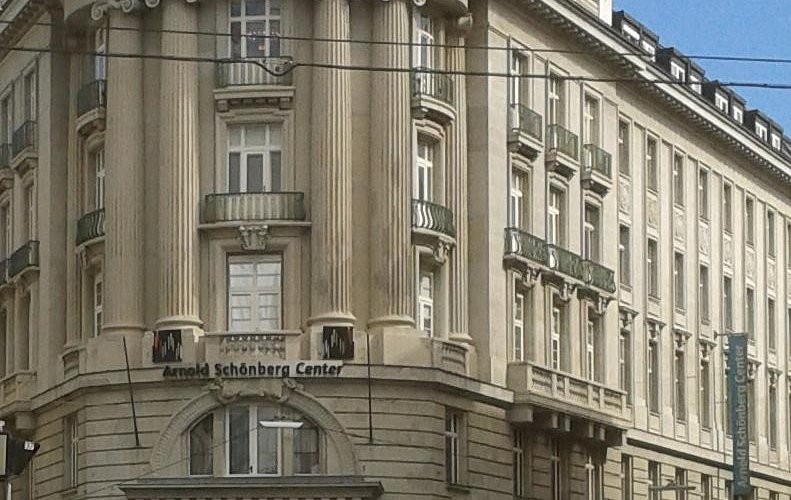
In the heart of Vienna, a city where the echoes of musical genius resonate through every cobblestone street, lies a sanctuary dedicated to one of the most transformative figures of the twentieth century. The Arnold Schönberg Center is far more than a mere repository for historical documents; it is a living, breathing testament to the revolutionary spirit of Viennese Modernism. To step within its walls is to enter an intellectual atmosphere charged with the same creative ferment that once redefined the boundaries of musical expression, offering a rare glimpse into an era that irrevocably altered the course of Western art.
The institution serves as a profound cultural hub where the legacy of Arnold Schönberg—the pioneer of atonality and the architect of the twelve-tone technique—is not only preserved but actively celebrated. The atmosphere invites a deep exploration of the interconnectedness of modern disciplines, acting as a vital crossroads where musicology meets art history. For the discerning collector or lover of fine arts, the Center offers an unparalleled window into how the structural complexities of sound can mirror the abstract aesthetics of visual form.
The Intimate Legacy and Archives
The collection held within this prestigious center is a treasure trove for scholars and art enthusiasts alike, blending the auditory with the visual in a seamless tapestry of history. The archives house over 20,000 pages of musical scores, personal diaries, and concert programs that trace the evolution of modern composition. Yet, what truly captivates the visitor is the intimate connection to the composer’s daily life. Through meticulously preserved replicas of Schönberg’s study, complete with original furniture and tools, the Center allows for a palpable encounter with his creative process.
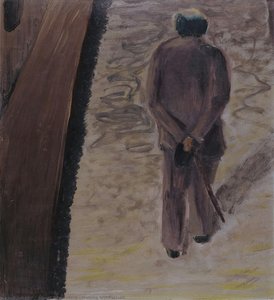
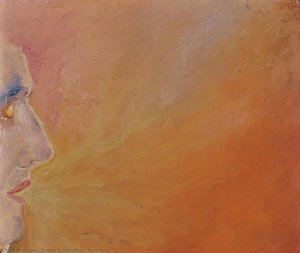
Beyond the written word, the collection unveils a lesser-known dimension of the maestro: his engagement with visual arts. A catalogue raisonné of his paintings and drawings reveals an abstract aesthetic that mirrors the structural complexities of his music, providing a multidimensional view of a man whose genius transcended a single medium. Visitors can also explore various facets of this rich heritage through:
- The Library: Aiming at completeness regarding documentation on publications about Arnold Schönberg in all languages, complementing the holdings with writings on the Second Viennese School and the intellectual history of the 20th century.
- Sound and Video Collections: A wide-ranging compilation of sound recordings that comprehensively preserves performances ranging from 1922 to the present day, alongside interviews and documentary footage.
- Scholarly Publications: The regular production of the Journal of the Arnold Schönberg Center , which fosters deep academic appreciation for the cultural forces at play.
A Journey of Resilience and Homecoming
The history of the Center is a poignant narrative of displacement and eventual homecoming. Following the composer's passing, the stewardship of his estate underwent a long and spirited journey. After a period where much of his legacy resided at the University of Southern California, a dedicated effort by the City of Vienna and the Internationale Schönberg-Gesellschaft ensured that his work returned to its rightful birthplace. This homecoming anchored his revolutionary ideas back into the Viennese soil from which they grew.
This sense of resilience is further extended to the Schönberg House in Mödling, a living monument where visitors can wander through the very rooms where his creative milestones were achieved. Through regular exhibitions and international accolades such as the annual Arnold Schönberg Prize, the institution continues to foster a deep appreciation for the enduring power of human innovation.