
The Living Canvas of a Metropolis
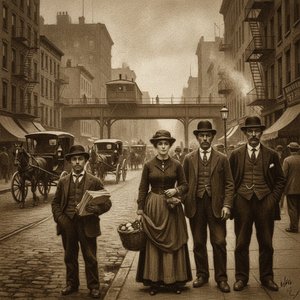
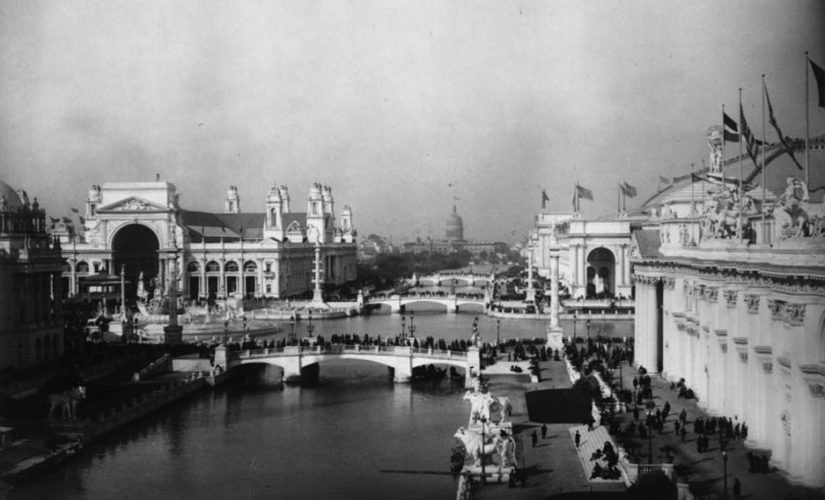
To step into the sphere of influence of the Art Commission of The City of New York is to realize that the most profound museum in Manhattan possesses no walls, no velvet ropes, and no silent galleries. Instead, its collection is written in the very granite of our streets, the sweeping curves of our parks, and the soaring heights of our skyline. Established in 1898 amidst the fervor of the City Beautiful Movement, this institution was born from a singular, romantic vision: that the urban environment should not merely be a functional grid of commerce, but a curated masterpiece of aesthetic harmony. It does not simply house art; it breathes life into the civic soul, acting as the invisible hand that ensures every monument, plaza, and public facade contributes to a cohesive and breathtaking urban narrative.
The history of the Commission is inextricably linked to the evolution of New York itself. As the city expanded through the consolidation of its boroughs, the Commission stood as a guardian of quality, reviewing the permanent works of architecture, landscape architecture, and fine art proposed for city-owned lands. Its legacy is etched into the landmarks we traverse daily. One can trace its influence in the meticulous design of Bethesda Terrace or the grand, dignified presence of Grand Central Terminal—spaces where the Commission’s scrutiny helped preserve architectural heritage while inviting modern innovation. It has famously acted as a shield for the city's most precious sites, fighting to protect landmarks like Castle Clinton from the encroaching tides of industrial demolition, proving that its mission is as much about preservation as it is about creation.
For the discerning collector or interior designer, the Commission’s work offers an unparalleled study in scale, texture, and environmental integration. While a traditional museum might offer a single canvas, the Commission offers entire atmospheres. Its "collection" is a masterclass in how sculptural forms and architectural silhouettes interact with light, shadow, and public movement. To understand its impact is to appreciate the delicate balance of public art and architecture—where a bronze statue or a meticulously planned waterfront development becomes an essential element of the city's visual identity. This decentralized presence makes the Commission a unique subject of study, as its "exhibitions" are found in the spontaneous encounters we have with beauty during a morning stroll through Central Park or a walk through the vibrant streets of Times Square.
In recent decades, the institution has gracefully transitioned from its historical roots to embrace the contemporary values of sustainability and inclusivity. The modern mandate of the Public Design Commission extends beyond mere ornamentation; it now advocates for equitable design that serves all New Yorkers, ensuring that public spaces are as accessible as they are beautiful. This evolution reflects a profound understanding that true urban art must be resilient and responsive to the needs of a changing society. As we look toward the future of our cityscape, the Commission remains the vital curator of our collective vision, ensuring that the New York we build today becomes the cherished heritage of tomorrow.