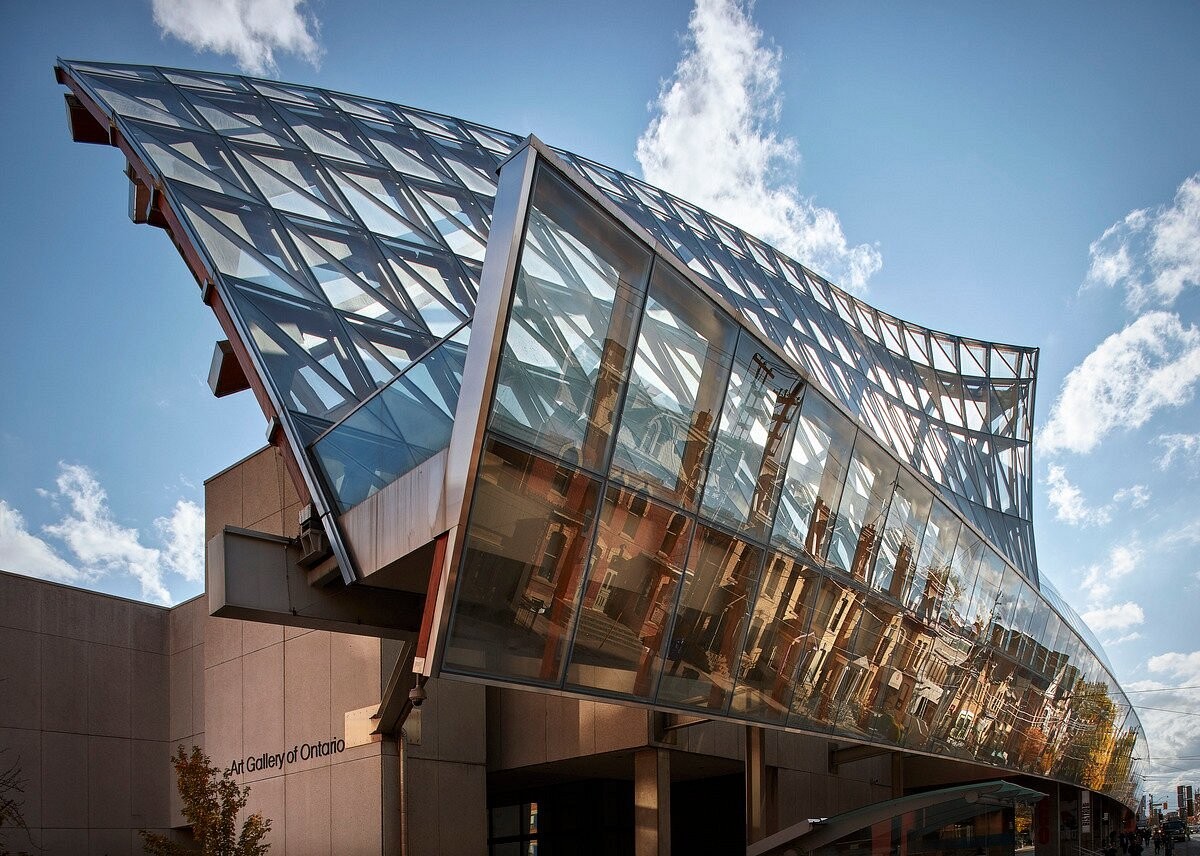




A Sanctuary of Visionary Spirit: The Art Gallery of Ontario
In the vibrant heart of Toronto, where the urban pulse meets a profound stillness of contemplation, stands the Art Gallery of Ontario (AGO). It is more more than a mere repository for artifacts; it is a living, breathing dialogue between Canada’s rugged past and its avant-garde future. Since its humble inception in 1900 as the Art Museum of Toronto, this institution has evolved into North America’s largest public art museum, serving as a cornerstone of cultural identity. To walk through its doors is to embark on a journey that transcends time, where the whispers of historical masters harmonize with the bold, disruptive energy of contemporary creators.
The soul of the AGO resides in its unparalleled collection, most notably its legendary assemblage of Group of Seven paintings. These iconic canvases act as windows into the Canadian psyche, capturing the untamed majesty of the wilderness—the stoic silhouettes of towering pines, the crystalline clarity of shimmering lakes, and the dramatic, sweeping skies that define the northern landscape. Yet, the gallery’s narrative extends far beyond the borders of Canada. It offers a profound exploration of human resilience through its significant Indigenous and African art traditions , fostering a global conversation about storytelling and cultural heritage. Visitors may also find themselves lost in the grandeur of European history, wandering through a curated timeline that spans from the intricate grace of Renaissance sculpture to the emotive power of Baroque masterpieces.
The architectural experience of the AGO is as much a masterpiece as the art it houses. The museum represents a breathtaking collision of eras, where the classical elegance of its original Beaux Arts structure meets the radical, sculptural audacity of Frank Gehry . The 2004–2008 expansion, a monumental feat of modern engineering, transformed the institution into a landmark of global significance. Gehry’s design—characterized by undulating titanium panels and a fluid, light-filled interior—challenges the traditional boundaries of museum spaces. Through the use of innovative PTFE membranes and sweeping, organic forms, the architecture itself becomes a sculptural entity, inviting visitors to move through a space that feels both grounded in history and weightless in its modernity.
Beyond its permanent treasures, the AGO remains a dynamic epicenter for cultural evolution through its rotating exhibitions and community engagement. The museum frequently hosts provocative showcases that explore themes of identity, materiality, and the shifting landscape of contemporary practice. This commitment to inclusivity and education ensures that the gallery is not a static monument, but a fertile ground for new ideas. For the art lover, the collector, or the designer seeking inspiration, the AGO offers an inexhaustible wellspring of aesthetic wonder, proving that true art is a continuous process of discovery, much like the ever-changing landscape of the nation it so beautifully represents.