

A Tapestry of Estonian Art: The Soul of Tallinn
Nestled within the verdant embrace of Kadriorg Park, the Art Museum of Estonia serves as much more than a mere repository for artifacts; it is a living, breathing chronicle of a nation’s resilience and its enduring creative spirit. To step into this institution is to embark on a journey through the very identity of Estonia, tracing a path from the opulent grandeur of the 18th century to the bold, experimental whispers of the contemporary era. The museum's story is inextricably linked to the history of Tallinn itself, blossoming from its early roots within the elegant Baroque confines of Kadron Palace—a gift from Peter the Great to Catherine I—into a multifaceted complex that now spans five distinct, specialized branches.
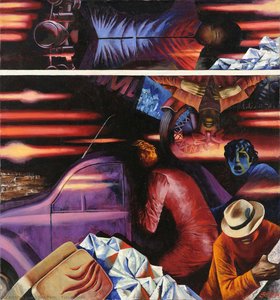
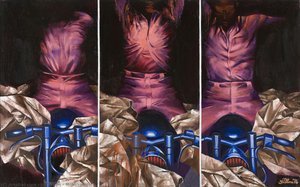
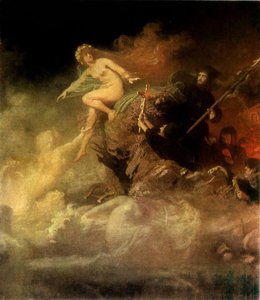
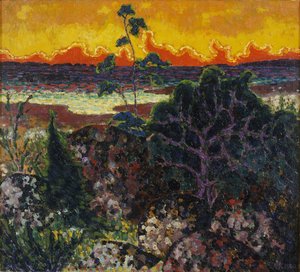
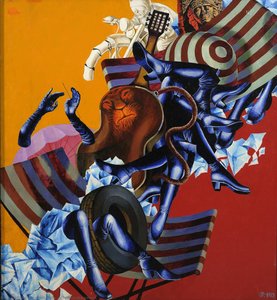
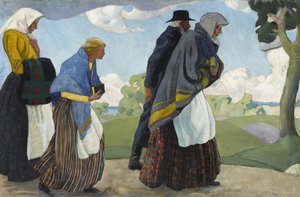
The architectural dialogue within the museum complex is as captivating as the art it protects. While the Kadriorg Palace provides a sense of aristocratic splendor with its classical proportions, the Kumu Art Museum stands as a breathtaking monument to modern innovation. Designed by the Finnish architect Pekka Vapaavuori, Kumu is a masterpiece of minimalist lines and expansive, light-filled galleries that seem to emerge organically from the surrounding landscape. This architectural triumph provides the perfect stage for the museum's most significant collection: Estonian art from the 18th century to the present day. Within these walls, one can witness the dramatic shift from the disciplined Academic Style to the emotive depths of Modernism, and even encounter the nuanced complexities of Soviet-era Pop Art, where artists skillfully navigated censorship to embed subtle layers of meaning within their work.
Specialized Treasures and Cultural Resonance
For the discerning collector or the lover of fine craftsmanship, the museum’s diverse branches offer specialized treasures that transcend the traditional canvas. Each wing offers a unique window into the Estonian psyche, reflecting a culture that has masterfully navigated the complexities of imperial rule, the shadows of Soviet influence, and the triumphant light of renewed independence.
The collection is as varied as the history it preserves:
- Kumu Art Museum: The main pillar of the institution, showcasing Estonian art from the 18th century through to contemporary expressions, including works that reflect the country's chaotic 20th century.
- Kadriorg Palace: A site of historical grandeur that connects visitors to the Baroque era and the aristocratic roots of the region.
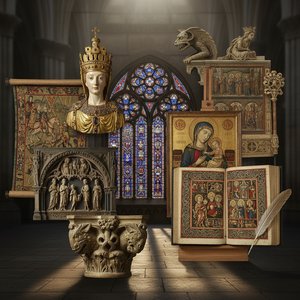
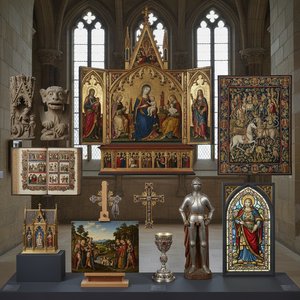
- Niguliste Museum: Housed within a medieval church, this branch envelops visitors in the solemn, transcendent beauty of ecclesiastical art.
- Adamson-Eric Museum: A celebration of the multifaceted genius of Artur Adamson-Eric, where traditional Estonian motifs fuse with modern ceramic, textile, and jewelry techniques.
- Mikkel Museum: An intimate collection that charms with its historical depth and eclectic character.
What truly distinguishes the Art Museum of Estonia is its role as a dynamic cultural catalyst. It does not merely look backward; it actively shapes the contemporary artistic dialogue through temporary exhibitions that tackle cutting-edge themes—such as the intersection of art and artificial intelligence. Whether one is wandering through the Baroque splendor of Kadriorg or contemplating a contemporary installation in the sleek halls of Kumu, the experience is one of profound connection. It is an invitation to witness a nation's ability to absorb the world's artistic currents while fiercely guarding its own distinctive, beautiful character.