

A Legacy Forged in Iron and Innovation
Nestled within the vibrant academic heart of Birmingham, United Kingdom, Aston University stands as a profound chronicle of transformation, capturing the very essence of a city that evolved from a provincial settlement into a global industrial titan. To walk through its campus is to embark on a journey through the soul of Victorian Britain, where the relentless march of scientific progress meets a deep-seated community spirit. The institution does not merely exist as a place of learning; it narrates a saga of ambition, reflecting a period when engineering prowess and metallurgical breakthroughs redefined the boundaries of human capability. For the discerning visitor, the university offers a poignant connection to the pivotal moments that shaped the British landscape, making it an essential pilgrimage for those who find beauty in the intersection of heritage and ingenuity.
The history of this institution is as compelling as the scientific advancements it fosters. Tracing its lineage back to 1875, when it began as a School of Metallurgy within the Birmingham and Midland Institute, the university embodies the evolution of higher education and technological expertise. This progression—from the Birmingham Municipal Technical School in 1895 to the UK's first college of advanced technology in 1956, and finally receiving its Royal Charter from Queen Elizabeth II in 1966—mirrors the ascent of Birmingham itself. It is a story of growth from a specialized technical school to a prestigious global university, representing the transition of an industrial center into a modern academic hub.
The Intersection of Industry and Culture
Beyond its reputation for scientific rigor, Aston University offers a unique aesthetic dialogue between the rugged textures of industrial history and the refined elegance of local heritage. The university’s identity is deeply interwoven with the monumental contributions of Birmingham to manufacturing. One can sense the echoes of the textile and ironwork industries—the very engines that propelled this region onto the world stage. Detailed engineering models serve as silent sentinels of a bygone era, illustrating the visionary intellect of Victorian engineers who sought to reshape the world’s infrastructure through sheer mechanical brilliance.
Yet, the university breathes life into history through more than just steel and machinery; it illuminates the human element of the region's past. Through portraits and biographical sketches, it reveals the lives of the artists, writers, and educators whose cultural contributions provided a rich, soulful tapestry to complement the city's industrial grit. For art lovers and interior designers seeking inspiration, this duality provides a sophisticated backdrop where the strength of metal meets the delicate nuances of human expression.
A Dynamic Vision for the Future
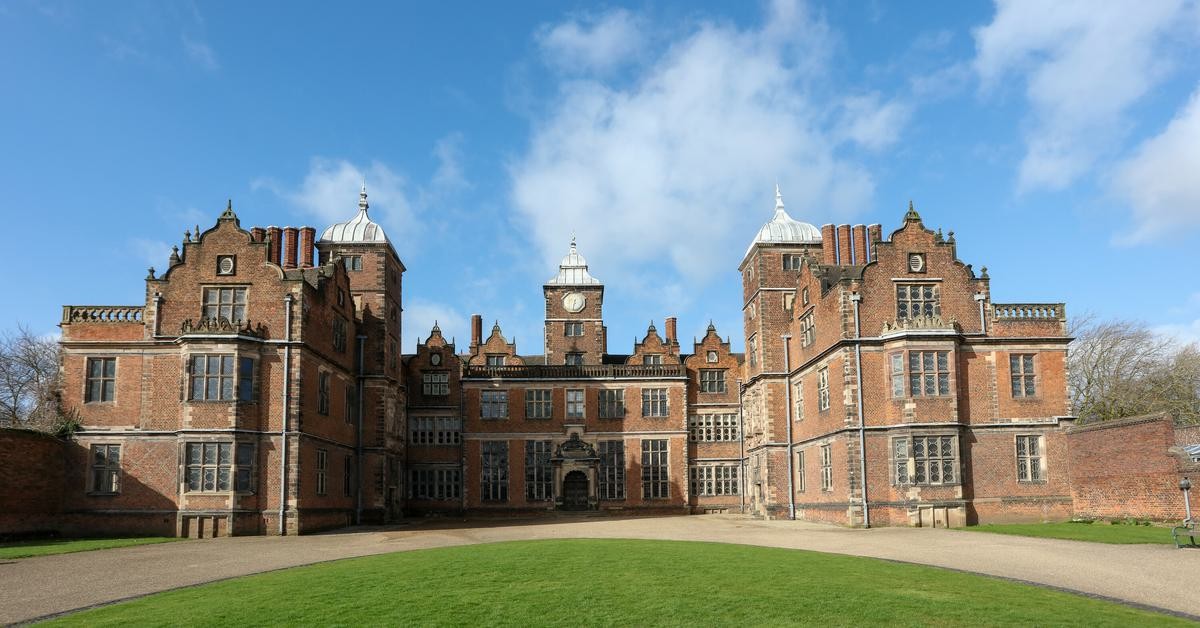
What truly distinguishes Aston University is its vibrant commitment to the living present. It is not a static repository of the past but a dynamic space where history meets contemporary thought. The institution continues to foster deep community engagement and scientific curiosity, ensuring that the spark of innovation continues to ignite the imaginations of new generations. Through its academic excellence and its role in the Birmingham cultural corridor—positioned near landmarks such as the aristocratic Aston Hall—the university serves as a bridge between the enduring spirit of yesterday and the boundless possibilities of tomorrow.


