
A Baroque Symphony of Spirit and Stone
Nestled within the verdant landscapes of Upper Austria, the Augustiner Chorherrenstift St. Florian emerges from the mist not merely as a monastery, but as a breathtaking manifestation of the Baroque soul. To step into this sacred complex is to surrender to an era of theatrical grandeur and profound devotion. The architecture itself performs a silent liturgy; the soaring Corinthian columns and the sweeping, dramatic façadas designed by masters like Carlo Antonio Carlone and Jakob Prandtauer serve to elevate the viewer's gaze toward the heavens, mirroring the very ascent of the soul through prayer. Inside, the atmosphere shifts from architectural might to an intimate, luminous grace, where light and shadow dance across opulent halls and intricate stucco ceilings.
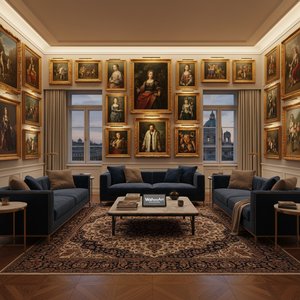
The monastery’s interior is a masterclass in the Baroque aesthetic, where every gilded ornament and marble vein was intended to evoke awe. One cannot help but feel enveloped by the celestial narratives painted upon the vaults, where frescoes by Bartolomeo Altomonte breathe life into biblical legends. For the art lover or the discerning collector, the monastery offers a rare glimpse into a world where the divine meets the terrestrial through unparalleled artistic mastery.
A Treasury of Renaissance Detail and Musical Legacy
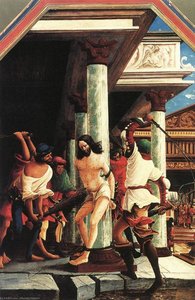
The true heart of St. Florian’s collection lies in its ability to bridge the gap between the meticulous observation of the Renaissance and the emotional depth of later eras. The gallery holds profound works from the Danube School , most notably the Polyptych of St. Augustine by Albrecht Altdorfer . This masterpiece exemplifies the Northern Renaissance's devotion to detail, using vibrant pigments and a sophisticated sense of perspective to recount the saint's spiritual journey. Beyond the visual arts, the monastery’s musical soul remains a living monument. The monumental organ, a cornerstone of Austrian musical heritage, continues to resonate with the spirit of Anton Bruckner ; the great composer, who served as a choirboy and organist within these very walls, is buried beneath the instrument itself, forever intertwining his symphonic genius with the monastery's sacred acoustics.
For those seeking intellectual enrichment, the library wing serves as a treasure trove of history, housing over 130,000 items. This collection includes manuscripts that whisper of centuries of monastic scholarship and the enduring legacy of the Augustinian Canons. What distinguishes this site from a conventional repository is its living, breathing sanctity. It is not a static collection of objects, but a vibrant community where the rhythms of monastic life—prayer, chant, and contemplation—continue to animate the art. For interior designers seeking inspiration in classical proportions or historians tracing the lineage of European sacred art, St. Florian offers an unparalleled sensory experience.