
A Sanctuary of Remembrance: The Soul of the Australian War Memorial
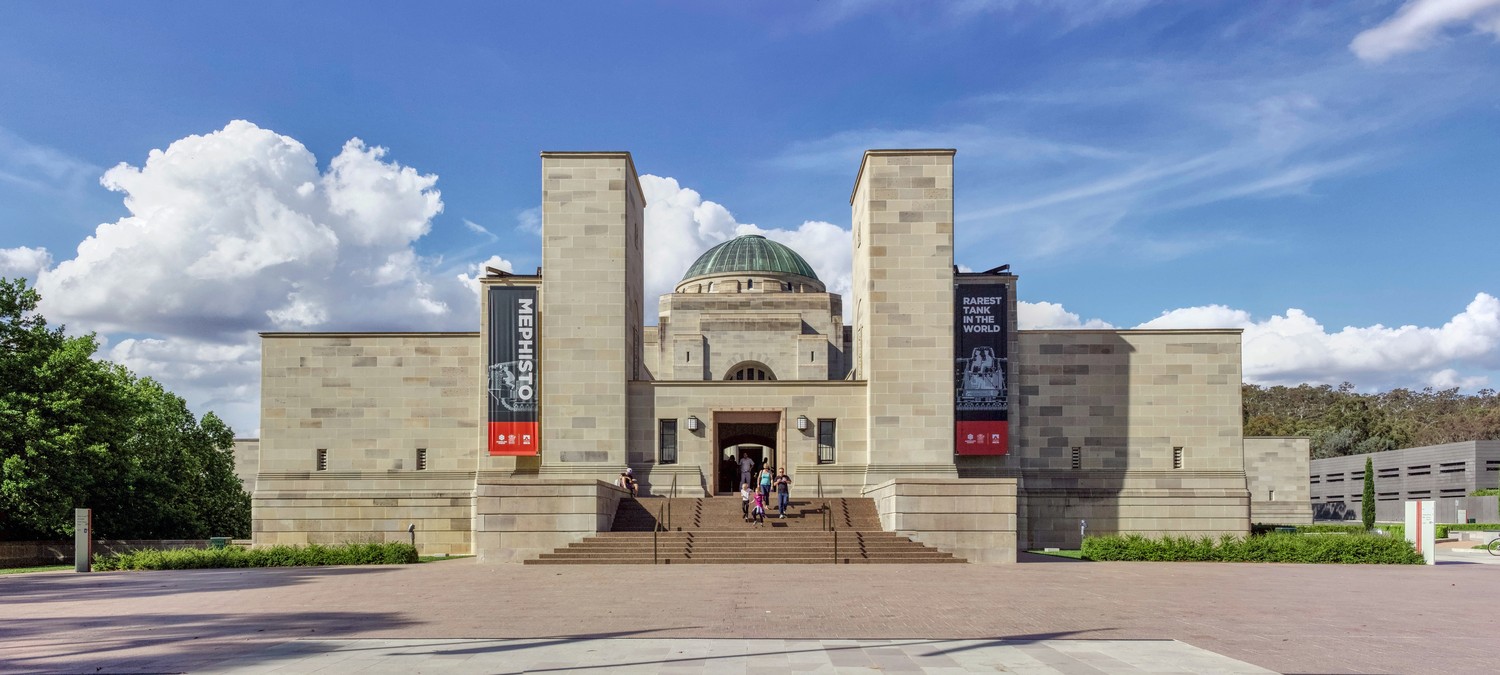
The Australian War Memorial in Canberra stands as far more than a mere repository of historical artifacts; it is a profound articulation of national memory, a space where the echoes of sacrifice resonate with a solemn and haunting power. Conceived from the raw grief and enduring gratitude that followed the Great War, the Memorial arose from Charles Bean’s visionary impulse—a desire not simply to record the mechanics of war, but to enshrine the lived experiences of those who served. It was an effort to ensure that courage and loss would never fade into the cold abstraction of history books. Established formally in 1925, the institution slowly took shape amidst the economic hardships of the Great Depression, resulting in an architectural masterpiece that blends solemn grandeur with modern functionality. For the visitor, walking through its halls feels like traversing Australia’s military narrative, moving from the brutal, mud-soaked trenches of the Western Front to the complex peacekeeping missions of the contemporary era.
The architectural experience of the Memorial is defined by its ability to evoke both introspection and awe. Designed by Denton Corker Marshall, the building utilizes expansive glass walls that flood the galleries with natural light, creating a sense of openness and transparency that contrasts beautifully with the weight of the subject matter. The Hall of Memory , with its soaring vaulted ceiling and polished granite floor, stands as a pinnacle of modernist design, symbolizing dignity and eternal respect. This sense of reverence is most poignantly felt at the Tomb of the Unknown Australian Soldier . Installed in 1993, this site serves as a focal point for reflection, honoring those whose identities were lost to time. The simple stone altar acts as a universal symbol of grief, drawing visitors from across the globe to find solace and contemplation within its hallowed walls.
A Tapestry of Human Experience
The collection itself is a breathtaking tapestry of the human condition, extending far beyond the cold steel of weaponry and the heavy silhouettes of military vehicles. It encompasses deeply personal artifacts that offer an intimate glimpse into the human cost of conflict: letters penned with trembling hands, diaries filled with raw emotion, and photographs capturing fleeting moments of camaraderie amidst the chaos of battle. Within these walls, history is not merely observed but felt through the tangible remnants of lives interrupted.
Among the most striking features of the collection are:
- The Aircraft Hall: A centerpiece where a remarkable array of military aircraft hang like silent sentinels, whispering tales of daring pilots and strategic maneuvers.
- The Hall of Valour: Where the glint of medals and decorations illuminates acts of extraordinary heroism, representing selfless devotion under unimaginable pressure.
- Personal Archives: A collection of intimate items that bridge the gap between historical events and individual human emotion.
What truly distinguishes the Australian War Memorial is its evolution into a living shrine, a place where history is actively curated to include more complete and inclusive narratives. The recent integration of the Australian Frontier Wars into the scope of commemoration demonstrates a profound commitment to acknowledging the complex history of colonial expansion and the resilience of Indigenous Australians. This dedication to truth-telling is complemented by the nightly Last Post Ceremony , a ritual held every evening since 1954. As the haunting notes of the bugle call echo through the Hall of Memory, focusing on the story of an individual veteran, the Memorial fulfills its ultimate promise: ensuring that the sacrifices made in defense of the nation are never forgotten, and that the legacy of those who served remains a vibrant, breathing part of the Australian identity.