


A Venetian Jewel Box: The Soul of the Frari
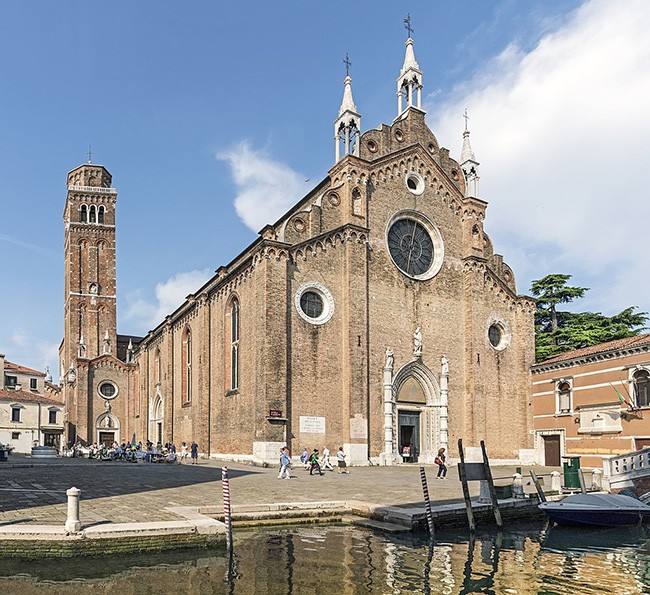
The Basilica di Santa Maria Gloriosa dei Frari stands as an enduring emblem of Venice’s artistic soul—a cathedral that transcends mere stone and mortar to embody centuries of faith, innovation, and unparalleled beauty. Founded in the 13th century amidst the burgeoning fervor of Gothic piety, this monumental church has evolved into a repository of European art history, captivating visitors with its soaring vaults, intricate facades, and an astonishing assemblage of masterpieces spanning from the Renaissance to Baroque periods. To step inside is to leave the bustling canals behind and enter a sanctuary where the weight of history is felt in every shadow and every beam of light that filters through the high windows.
The architectural grandeur of the basilica is immediately apparent in its towering nave, supported by colossal columns that ascend towards magnificent ribbed vaulting. This medieval engineering prowess creates a sense of verticality that draws the eye upward toward a magnificent lantern, reflecting the spiritual aspirations of the Gothic era. The exterior walls, embellished with elaborate sculptures depicting biblical scenes and saints, serve as a silent sermon to all who approach. Yet, it is within these hallowed walls that the true Renaissance revelation awaits, where the humanist spirit of the 15th and 16th centuries breathes life into the stone.
Masterpieces of Color and Form
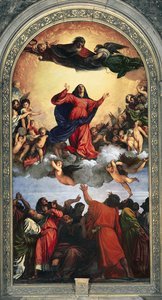
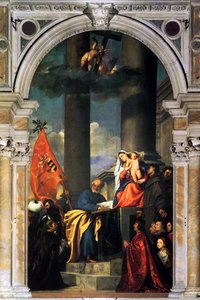
The collection highlights of the Frari are nothing short of legendary, offering a profound journey through the evolution of Venetian color and form. Dominating the upper chapel is Titian’s monumental Assumption of the Virgin , a breathtaking depiction of Mary ascending into heaven. This masterpiece serves as a vibrant tapestry of color and emotion, exemplifying the very pinnacle of Venetian artistic excellence. Nearby, the delicate beauty of Giovanni Bellini’s Frari Triptych invites closer inspection, showcasing the Virgin Mary and various saints with an intricate detail that defines the Early Renaissance. These works do not merely hang on walls; they command the space, creating a dialogue between the divine and the human.
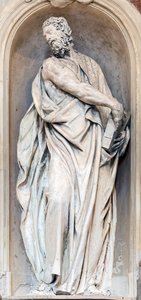
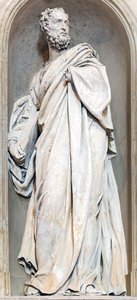
Beyond the canvases, the basilica houses a sculptural legacy that speaks to the precision of the masters. The works of Donatello grace the interior, embodying the stylistic ideals of early Renaissance art through profound humanism and anatomical accuracy. In contrast to the dynamic energy of the Renaissance, the neoclassical elegance of Antonio Canova’s tombs offers a more serene, poignant glimpse into a later era, showcasing exquisite craftsmanship and sculptural refinement. This harmonious blend of Gothic grandeur, Renaissance innovation, and neoclassical grace ensures that the Frari remains a singular destination for connoisseurs and designers alike, offering an unparalleled concentration of artistic treasures that continue to inspire awe and admiration across generations.