


A Sanctuary Woven in Faith and Art: The Eternal Allure of Loreto
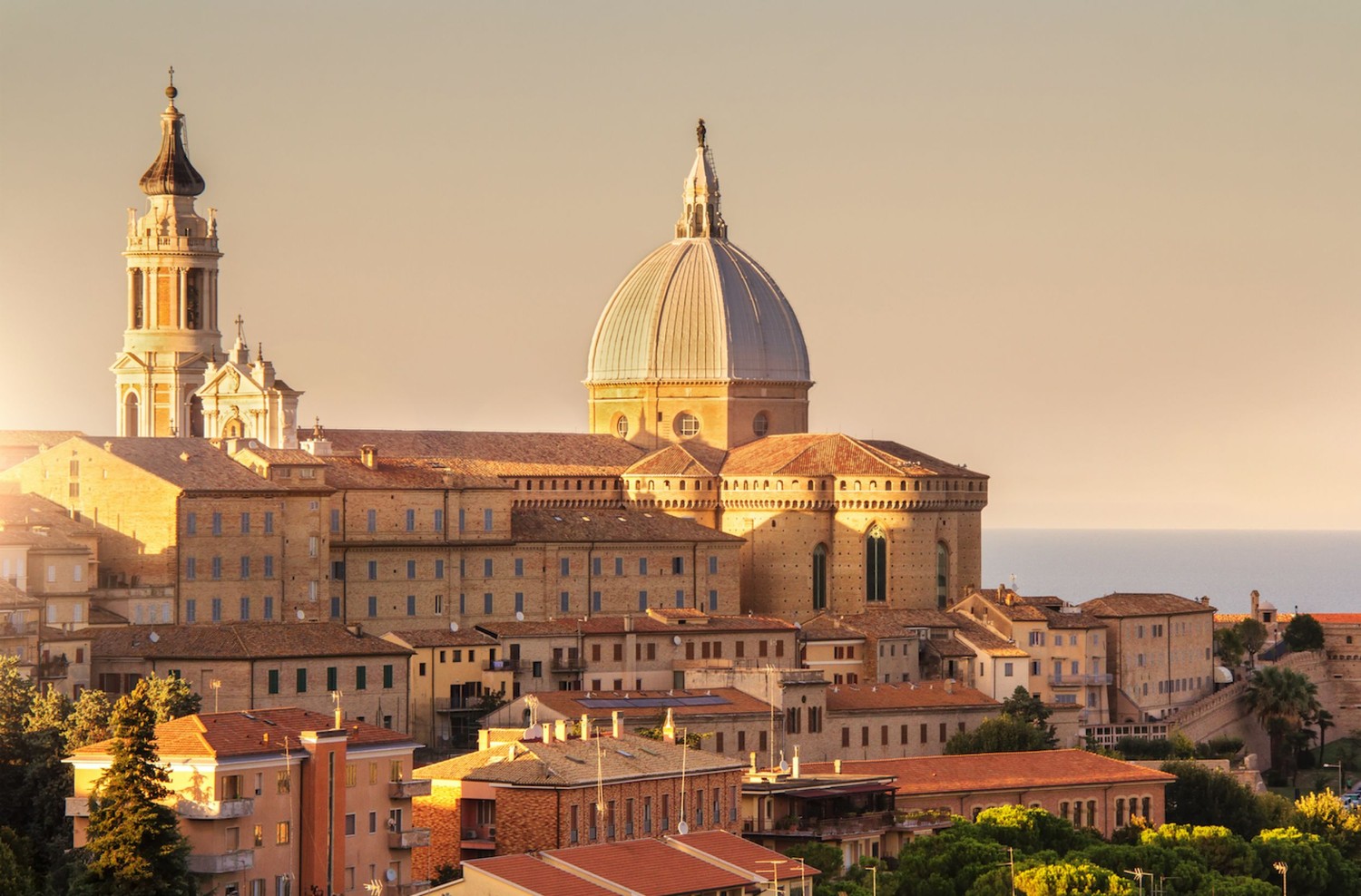
Nestled within the verdant, rolling hills of the Marche region, the Basilica of Santa Casa stands much more than a mere monument of ecclesiastical architecture; it is a profound intersection where the celestial meets the terrestrial. To step into this sacred space in Loreto is to enter a living chronicle of devotion, a place where history is not merely studied but felt through the very stones of the structure. The heart of this sanctuary lies in its miraculous origin story—the belief that in 1291, three humble stone walls were transported by angels from Nazareth to Italy, bringing with them the tangible essence of the Holy House. This extraordinary narrative has transformed Loreto into a global pilgrimage site, creating a unique atmosphere where the weight of centuries of prayer permeates the air, offering an emotional depth that is rare even among Europe’s most storied cathedrals.
The architecture of the Basilica serves as a breathtaking visual symphony, orchestrating a dialogue between different eras of human creativity. As one approaches, the façade reveals a masterful blend of Gothic grandeur and Renaissance refinement , where soaring pointed arches meet the intricate, delicate sculptural ornamentation characteristic of late medieval design. Moving inward, the transition is seamless; the vast nave opens into a space bathed in a soft, diffused light that dances across colossal columns topped with ornate Corinthian capitals. The structural evolution of the site—from its fifteenth-century papal foundations to the sixteenth-century construction of its towering campanile —reflects a continuous architectural metamorphosis. For the art lover and designer alike, the Basilica offers a masterclass in how light, volume, and stylistic layering can create a sense of infinite transcendence.
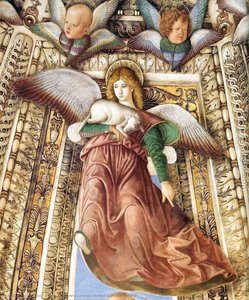
Beyond its structural majesty, the Pontifical Santa Casa Museum houses an unparalleled collection of Renaissance treasures that demand the attention of every serious connoisseur. The works of Lorenzo Lotto are particularly luminous here; his altarpieces, which focus on the life of the Virgin Mary, are celebrated for their emotional intimacy and a sophisticated use of color that breathes life into the sacred subjects. These Venetian masterpieces are complemented by the sublime elegance of Raphael , whose presence in the chapel dedicated to Saint Francis of Paola demonstrates the pinnacle of Renaissance harmony and geometric precision. The museum’s collection is further enriched by the monumental bronze doors of Tiburzio Vergelli, which narrate the Nativity with a scale and detail that showcase the height of Florentine craftsmanship.
What truly distinguishes the Basilica of Santa Casa from a traditional museum is its role as a living repository of human gratitude. Scattered throughout the chapels are ex votos —devotional offerings ranging from exquisite majolica pottery to vibrant, folk-art paintings—left by pilgrims over hundreds of years as tokens of answered prayers. This collection of personal, heartfelt objects provides a poignant contrast to the high-art masterpieces of Lotto and Raphael, creating a tapestry of human experience that spans the gap between the elite artist and the humble devotee. For collectors and historians, the Basilica is not just a destination for viewing art, but an immersive journey through the very soul of the Renaissance, where every brushstroke and every stone tells a story of enduring faith and artistic triumph.