A Glimpse into French Heritage: Exploring the Bibliothèque de l'Institut de France
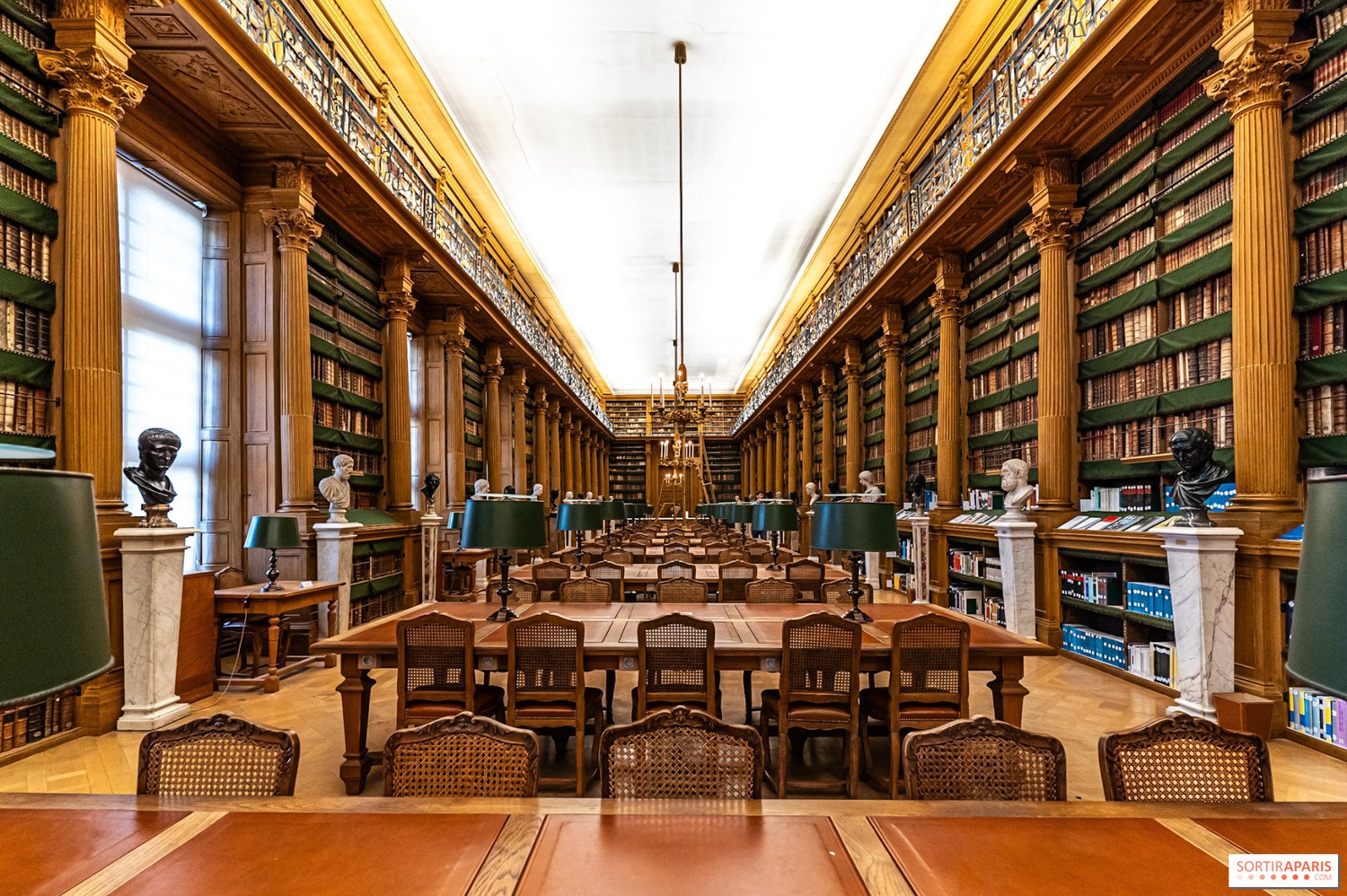
Nestled within the venerable Institut de France in Paris, the Bibliothèque de l’Institut de France stands as more than just a repository of books; it embodies centuries of intellectual curiosity and artistic patronage. Founded in 1795 during the tumultuous era of the French Revolution, inheriting the magnificent structure originally conceived by Cardinal Mazarin for the Collège des Quatre-Nations, this library has steadfastly championed the preservation and advancement of French culture—a mission that continues to resonate today.
-
Rare Books & Manuscripts:
-
Artistic Holdings:
-
Historical Archives:
The Bibliothèque’s unparalleled collection boasts treasures spanning antiquity through the present day. Illuminated manuscripts, bearing witness to medieval artistry and devotion, share space with incunabula—the earliest printed books—representing a pivotal moment in European communication. Literary giants like Voltaire and Rousseau have graced its shelves, cementing its place as a cornerstone of French intellectual tradition. Beyond textual scholarship, the library houses an extraordinary assemblage of artistic materials: meticulously crafted drawings by masters such as Ingres and Delacroix, prints showcasing Impressionist landscapes and portraits, and sculptures reflecting diverse stylistic influences—a testament to France’s enduring engagement with visual art. Furthermore, its historical archives delve into pivotal moments in French history, offering invaluable documentation for researchers and historians alike.
The Mazarin Gallery: A Showcase of Portraiture
Arguably the Bibliothèque's most celebrated space is the Mazarin Gallery, named after Cardinal Mazarin, who initiated its construction. This gallery houses a breathtaking collection of portraits—primarily executed during the Baroque period—featuring luminaries from French royalty and nobility. The paintings exemplify masterful technique, utilizing chiaroscuro to sculpt form and conveying profound psychological insight into their subjects’ expressions and gestures. Examining these canvases provides an unparalleled opportunity to contemplate the aesthetic sensibilities and social dynamics of 17th-century France.
Research Opportunities & Exhibitions
Recognizing its significance as a hub for scholarly inquiry, the Bibliothèque actively fosters collaboration between researchers from across disciplines—literature, art history, philosophy, and more. Access to its extensive collections is granted upon request, facilitating groundbreaking investigations into French cultural heritage. Throughout the year, the Institut de France hosts captivating exhibitions spotlighting exceptional items from the Bibliothèque’s holdings, offering visitors a chance to immerse themselves in rare artistic discoveries and gain fresh perspectives on pivotal historical narratives. Recent exhibitions have explored themes ranging from Renaissance humanist scholarship to the evolution of Parisian urban landscapes—demonstrating the library's commitment to disseminating knowledge and inspiring appreciation for French art and culture.
Architecture & Legacy
The Bibliothèque’s building itself is a masterpiece of Baroque architecture, designed by François Mansart and completed in 1661. Its symmetrical façade reflects the grandeur of the era, while its interior spaces are adorned with opulent decorations—marble sculptures, gilded ceilings, and richly painted walls—creating an atmosphere conducive to contemplation and intellectual discourse. The Institut de France’s five académies – Literature, Philosophy, Fine Arts, Sciences, and Economics – collectively represent a singular institutional model designed to promote excellence in various fields of knowledge and foster interdisciplinary dialogue—a legacy that continues to shape French intellectual life today.
A Destination for Art Enthusiasts
A visit to the Bibliothèque de l’Institut de France transcends mere sightseeing; it's an immersive experience into the heart of French artistic tradition and scholarly heritage. From its magnificent Mazarin Gallery to its groundbreaking exhibitions and its unwavering dedication to preserving cultural memory, this institution invites exploration and contemplation—a reminder that beauty and intellect can coexist harmoniously, enriching our understanding of the world around us.