
A Chronicle of Resilience in Sandstone and Bronze
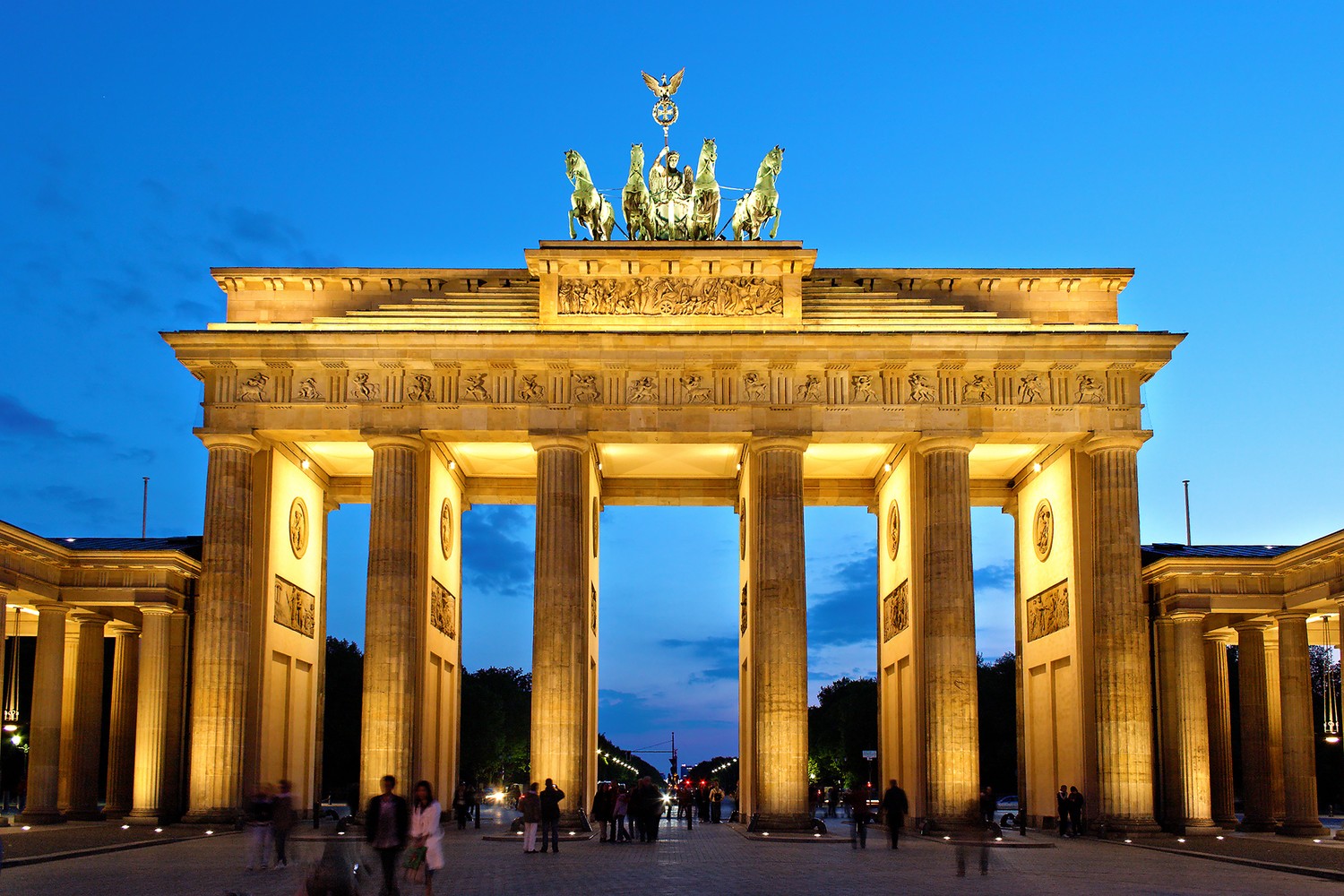
To step into the presence of the Brandenburg Gate is to encounter the very heartbeat of Berlin, a place where the heavy weight of history meets the soaring aspirations of a nation. This monumental structure serves as a profound custodian of narrative, offering far more than a mere architectural marvel; it provides an immersive journey through the soul of Germany. Located at the prestigious intersection of Mitte, nestled between the grandeur of Unter den Linden and the verdant sanctuary of Tiergarten Park, the gate acts as a bridge between eras. It invites onlookers to contemplate how a single landmark can transform from a symbol of Enlightenment peace into a harrowing emblem of Cold War division, and ultimately, into a triumphant beacon of reunification.
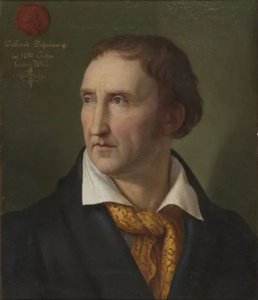
The architecture of the gate is rooted in the sublime ideals of Neoclassical beauty. Commissioned by King Frederick William II of Prussia in 1788, the structure was envisioned by architect Carl Gotthald Langhans as a monumental homage to the Propylaea of Athens. This deliberate nod to ancient Greek principles brought an air of reason and order to the Prussian landscape, characterized by twelve majestic Doric columns that rise with rhythmic precision. At the summit, the breathtaking Quadriga —sculpted by the legendary Johann Gottfried Schadow—depicts Victoria driving her chariot across the sky. The use of sandstone and bronze was not merely an aesthetic preference but a political statement intended to project Prussia's cultural and intellectual dominance during the Enlightenment.
A Witness to the Turbulent Layers of Berlin
Beyond its architectural splendor, the gate excels in capturing the turbulent layers of Berlin's metamorphosis. Its stones resonate with the echoes of the twentieth century, documenting survival through the devastation of World War II and its haunting period as a silent sentinel in the no-man’s land of the Berlin Wall. The history of this landmark is as dramatic as the art it inspires, tracing paths from the shadows of Napoleon’s 1806 occupation—when the Quadriga was famously spirited away to Paris, only to return later as a symbol of reclaimed national pride—to its modern role as a global icon of freedom.
For the discerning collector or interior designer, the significance of the Brandenburg Gate extends into the realm of visual inspiration and cultural prestige. The surrounding landscape, enriched by the proximity to the Reichstag and the lush Tiergarten, offers a holistic aesthetic experience that celebrates German heritage. It remains an essential destination for those seeking to understand how art, architecture, and history converge to create a lasting legacy of resilience—a place where every stone tells a story of endurance and every shadow reflects the enduring human spirit.