

A Sanctuary of Art & Intellect: Exploring the Cantor Arts Center at Stanford University
Nestled within the vibrant academic heart of Stanford University lies a cultural gem – the Cantor Arts Center. More than just a repository for artistic treasures, it’s a dynamic space where five millennia of human creativity converge, offering visitors an immersive journey through diverse cultures and historical periods. From the breathtaking Rodin Sculpture Garden to the intimate galleries housing masterpieces by Diebenkorn and Warhol, the Cantor stands as a testament to the power of art to inspire, educate, and connect us across time and continents – all while remaining remarkably accessible with its steadfast commitment to free admission. The Center’s story is one of remarkable resilience, born from the ashes of the 1906 earthquake and reborn in the spirit of renewal, now a vital hub for both academic exploration and public engagement.
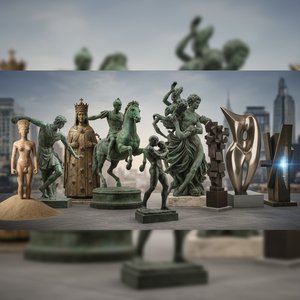
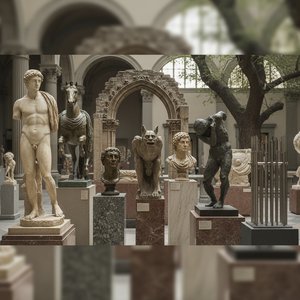
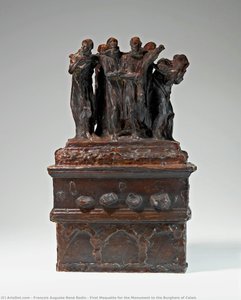
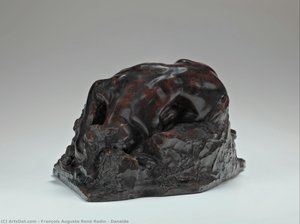
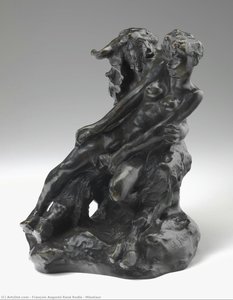
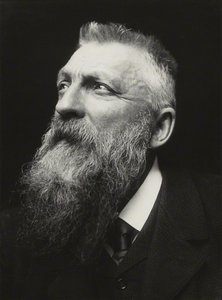
The heart of the Cantor experience undoubtedly lies within its celebrated Rodin Sculpture Garden. Here, nearly 200 bronzes – “The Thinker,” “The Kiss,” “Gates of Hell” – capture the raw emotion and profound humanity that define Auguste Rodin’s work. The sheer scale and emotional intensity of these figures create a truly contemplative space, inviting visitors to engage in a silent dialogue with artistic genius. However, the Cantor's scope extends far beyond this singular treasure. The museum houses an impressive array of American paintings, spanning from the 18th century to contemporary works, offering a fascinating chronicle of the nation’s evolving artistic identity. The collection isn’t limited to Western art; significant holdings in Asian art – exquisite ceramics, intricate bronzes, and captivating paintings – reveal the rich tapestry of traditions across various regions. Equally compelling are the African sculptures, European masterpieces, and a diverse collection of decorative arts, creating a truly global panorama of artistic expression. The museum's recent acquisition of works by Diebenkorn, for example, offers a poignant reflection on the California landscape and its enduring influence on American art.
A History Forged in Resilience & Renewal
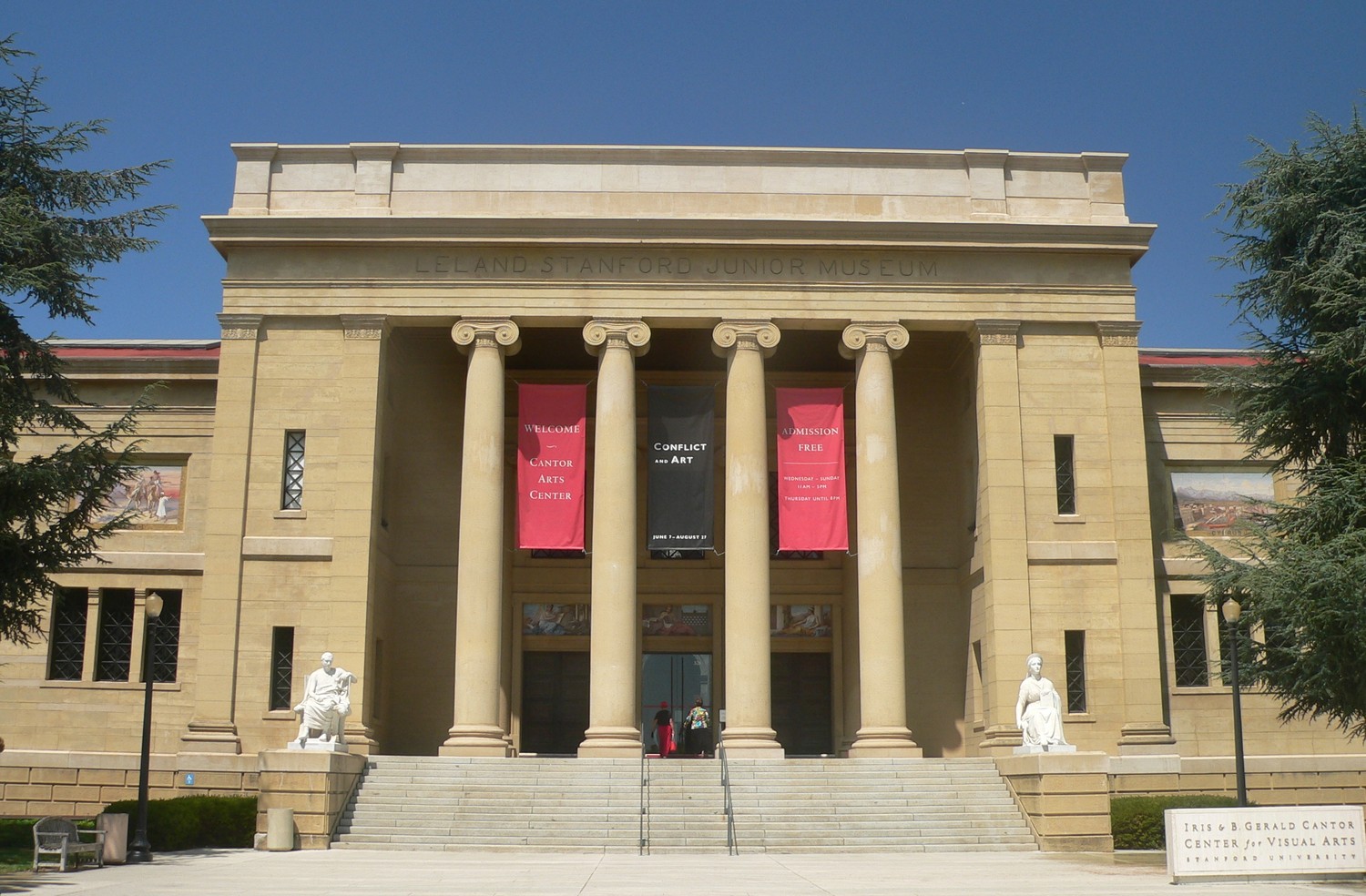
The story of the Cantor Arts Center is one of remarkable resilience. Founded in 1894 as the Leland Stanford Jr. Museum by Leland and Jane Stanford, it began with an ambitious vision – to assemble a collection rivaling those of major public museums. However, fate intervened dramatically with the devastating San Francisco earthquake of 1906, which inflicted significant damage and led to years of decline. The Oxford Assyriologist Archibald Sayce, recalling a visit to Stanford in 1917, wrote that “the rooms of its spacious Museum were still a scene of wreckage. The magnificent collection of Greek vases it once contained had been hopelessly shattered; even the Egyptian mummies were torn and dismembered.” Despite this initial setback, the Stanfords’ determination ensured the museum's survival, laying the groundwork for its eventual revitalization.
The turning point arrived in the mid-century, fueled by dedicated faculty, staff, and generous donors who spearheaded a remarkable effort to rebuild and reimagine the institution. This culminated in the opening of the B. Gerald Cantor Rodin Sculpture Garden in 1985 – a beacon of hope and artistic renewal. Further challenges arose with the Loma Prieta earthquake of 1989, necessitating a major rebuilding project that ultimately led to its reopening in 1999 as the Iris & B. Gerald Cantor Center for Visual Arts. This rebirth solidified its position as a leading cultural institution on the Stanford campus, a testament to the enduring power of vision and perseverance. The museum’s evolution reflects not just an accumulation of art but also a commitment to community engagement and intellectual exploration.
Architecture Reflecting Past & Present
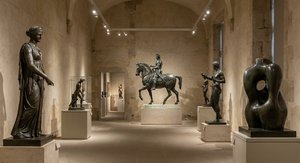
The physical structure of the Cantor Arts Center is itself a compelling narrative of time and transformation. The museum complex comprises several buildings, each reflecting different architectural styles and eras. The main building bears witness to the past, having undergone a crucial seismic retrofit in 1999 following the damage sustained during the Loma Prieta earthquake. This careful restoration seamlessly blends historical preservation with modern design principles, creating a space that is both respectful of its heritage and attuned to contemporary needs. The use of natural light, expansive galleries, and thoughtfully designed spaces contribute to an atmosphere of serenity and contemplation. The Rodin Sculpture Garden, in particular, offers a stunning juxtaposition of classical sculpture against the backdrop of California’s rolling hills – a testament to the museum's ability to harmonize its collection with its environment.
A Unique Nexus of Art, Education & Community
What truly sets the Cantor Arts Center apart is its unique position at the intersection of world-class art collections, free access, and a vibrant intellectual environment. It’s not simply a museum; it's an integral part of Stanford University – a resource for students, scholars, and the wider community. The Center actively fosters dialogue and engagement through lectures, tours, workshops, and family activities, making art accessible to all. Recent exhibitions have explored themes ranging from California landscapes to contemporary social issues, demonstrating the museum’s commitment to reflecting and engaging with the world around it. From its ongoing efforts to digitize its collection for online access to its partnerships with local schools, the Cantor Arts Center is a dynamic institution dedicated to fostering a lifelong love of art and learning. It's a place where one can lose themselves in the beauty of a masterpiece, delve into the complexities of history, or simply find a moment of quiet contemplation – a true sanctuary for art lovers and seekers of knowledge alike.