
A Sanctuary of Heritage: The Carinthian State Museum
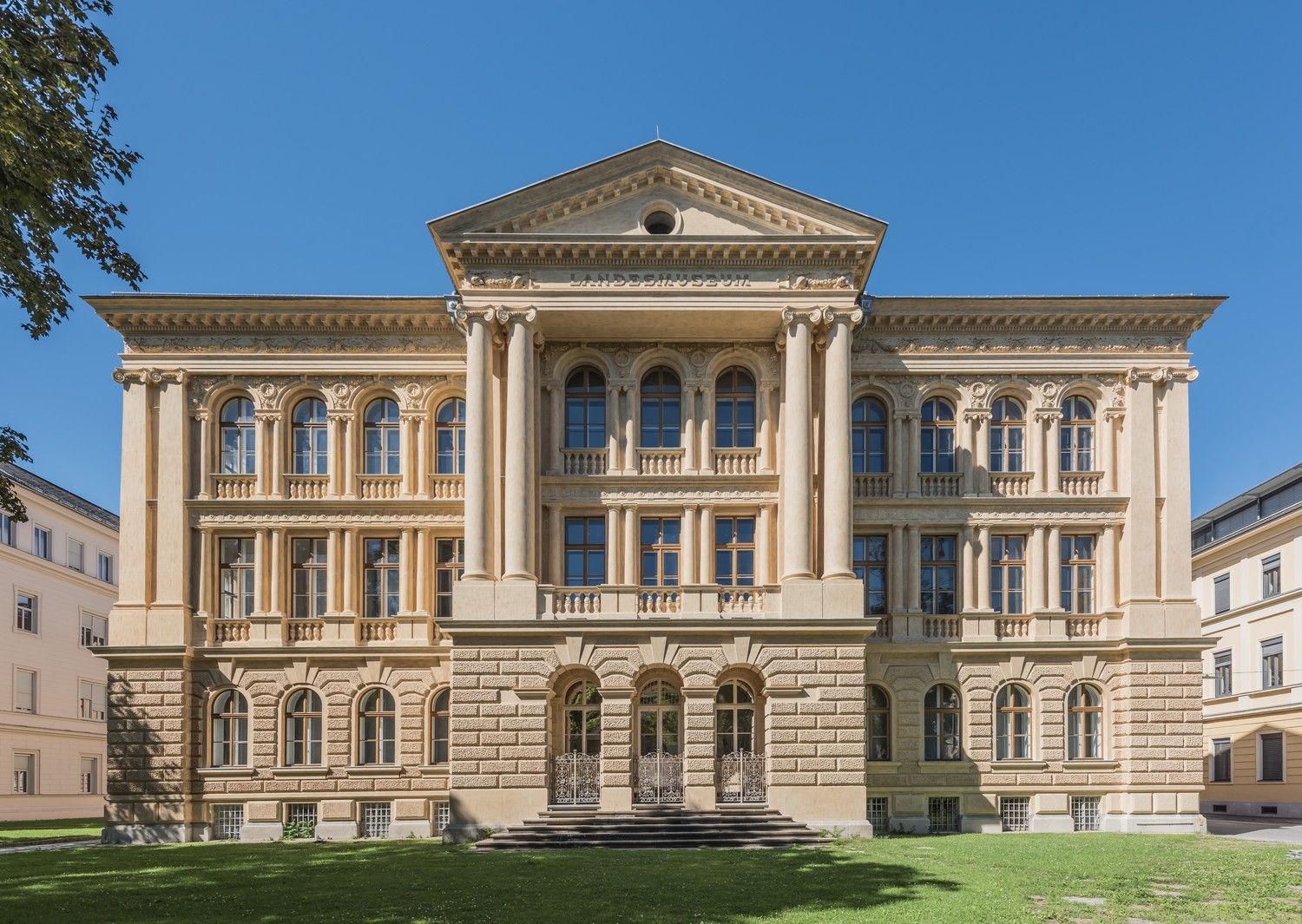
Nestled in the tranquil, lakeside embrace of Klagenfurt am Wörthersee, the Carinthian State Museum serves as a profound testament to the enduring spirit of Austria. To step into this institution is to embark on a journey through time, where the whispers of prehistoric settlements meet the refined elegance of the Baroque era. Established in 1844, what began as a modest History Association for Carinthia has blossomed into a multidisciplinary beacon of scholarly research and public wonder. The museum does not merely display objects; it curates the very soul of the region, weaving together the threads of archaeology, natural history, and fine art into a seamless tapestry of human achievement.
The architectural grandeur of the museum is anchored by the magnificent Rudolfinum, a Neo-Renaissance masterpiece designed by the visionary architect Gustav Gugitz in 1884. This structure is more than just a vessel for art; it is an art object in its own right. As visitors ascend its soaring staircases, they are greeted by the breathtaking splendor of intricate mosaics, most notably the iconic Dionysus Mosaic, which invites a moment of quiet contemplation. The recent revitalization of this landmark has breathed new life into its halls, blending historical reverence with modern, cutting-edge facilities that allow for a more immersive and interactive engagement with the past.
A Journey Through Light and Emotion
For the discerning art lover and collector, the museum’s holdings offer an exquisite survey of Austrian artistic evolution. The collection moves gracefully from the luminous, detailed mastery of Baroque painters like Johann Baptist Horner to the raw, emotive power of Expressionist canvases by masters such as Oskar Kokoschka . This breadth of collection provides a unique opportunity to witness the shifting tides of light, shadow, and psychological depth that define European art history. Each piece serves as a window into the cultural zeitgeist of its era, offering a profound dialogue between the artist's hand and the historical moment.
The museum’s influence extends far beyond the walls of the Rudolfinum, reaching into the serene landscapes of the Botanical Garden of Carinthia and the ancient echoes of the Maria Saal Archaeological Park and the Teurnia Roman Museum. This integration of art, nature, and archaeology creates a holistic experience that resonates with interior designers and curators alike, offering inspiration drawn from both the organic beauty of the natural world and the structured elegance of human craftsmanship. It is a place where history is not a static relic, but a living, breathing dialogue between the past and the present.