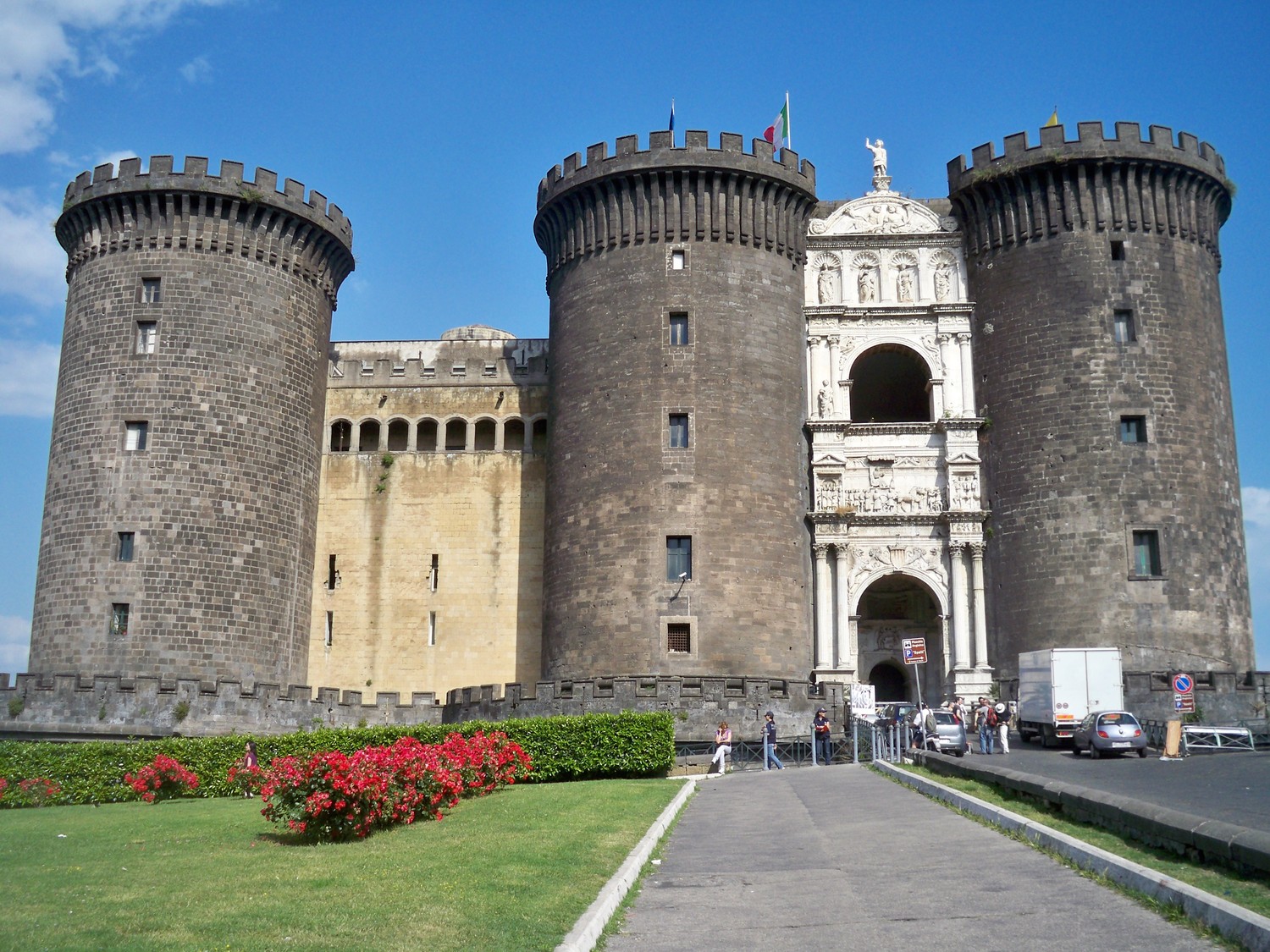


A Sentinel of Neapolitan Splendor
Standing as a majestic sentinel over the bustling port of Naples, Castelnuovo —often whispered of by locals as Maschio Angioino —is far more than a mere relic of medieval warfare. It is a profound architectural chronicle, where every weathered stone and imposing turret tells a story of shifting dynasties and cultural rebirth. Originally commissioned in 1279 by Charles I of Anjou, this formidable structure was conceived as a royal residence, a symbol of Angevin prestige that would eventually evolve into a complex tapestry of Renaissance grandeur. To walk through its gates is to step out of the modern clamor of Naples and into a realm where the echoes of kings, conquerors, and poets still linger in the salt-tinged air.
The architecture itself serves as a breathtaking dialogue between eras. While its foundations are rooted in the defensive necessity of the 13th century, the castle underwent a magnificent transformation under Alfonso V of Aragon, whose vision infused the fortress with the elegance of the Renaissance. The silhouette is defined by five massive towers, each named after an animal, creating a sense of mythic strength that commands the skyline. Visitors are often captivated by the main entrance, a triumphal arch of intricately carved white marble that acts as a portal between the rugged military exterior and the refined splendor within. This duality—the strength of a fortress paired with the delicacy of high art—makes Castelnuovo an unparalleled destination for those who find beauty in the intersection of power and grace.
A Tapestry of Art and Antiquity
Beyond its formidable walls, the castle houses a collection that serves as a vibrant heartbeat of Neapolitan identity. The Palatine Chapel remains one of the most spiritually evocative spaces in Italy, where light dances across exquisite mosaics and Renaissance sculptures by masters such as Domenico Ghiberti and Francesco Laurana. For the true connoisseur, the halls offer a sweeping journey through time, featuring breathtaking fragments of frescoes by the legendary Giotto , whose pioneering use of perspective and color laid the groundwork for Western painting. The collection continues through the centuries, showcasing the dramatic chiaroscuro and emotional intensity of Neapolitan Baroque masters like Luca Giordano, alongside works that stretch into the 19th and 20th centuries.
What truly distinguishes Castelnuovo is its ability to function as a living chronicle, where history is not merely observed but experienced. One might find themselves immersed in the following wonders:
- The Hall of the Barons: The former throne room where one can feel the weight of political intrigue and witness the splendor of an octagonal vault.
- The Armoury Hall: A space of profound discovery where glass floors allow visitors to glimpse Roman ruins buried beneath the feet of medieval knights.
- Renaissance Masterpieces: Sculptures and paintings that capture the transition from medieval strength to the refined elegance of the Aragonese era.
For interior designers and art lovers alike, the castle offers endless inspiration, from the dramatic textures of its ancient masonry to the luminous palettes of its classical canvases. It remains a majestic testament to Naples' enduring legacy, an immersive sanctuary where the layers of the past are meticulously preserved for the contemplation of the present.