


A Journey Through Gothic Splendor: The Soul of Milan
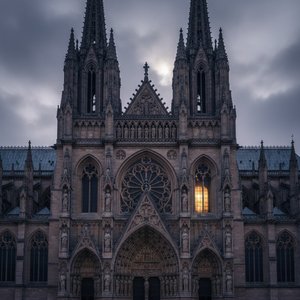
To step into the Grande Museo del Duomo is to embark on a profound pilgrimage through the very heart of medieval and Renaissance Italy. Situated within the hallowed walls of the Milan Cathedral —a UNESCO World Heritage Site—this space serves as much more than a mere repository for relics; it is an immersive narrative woven from stone, glass, and pigment. The air within these halls seems to vibrate with the echoes of six centuries of devotion, revealing a history shaped by papal patronage and the ambitious architectural visions of masters like Filippo Brunelleschi and Lorenzo Ghiberti . As visitors wander through its corridors, they encounter the layers of Milanese resilience, discovering how a cathedral born from the necessity of rebuilding after devastating fires evolved into a monumental testament to both religious fervor and dynastic power.
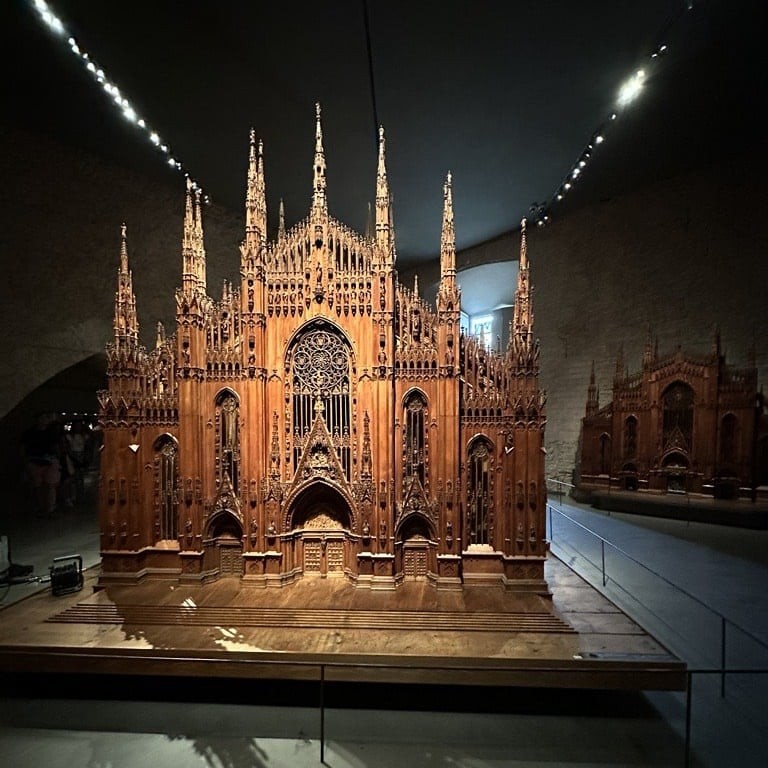
The architectural genius of the Duomo is perhaps its most enduring legacy, providing the essential context to appreciate this engineering marvel. The soaring spires, reaching heights of over 100 meters, dominate the Milanese skyline as symbols of human aspiration toward the divine. Constructed primarily from the distinctive white Candoglia marble , the cathedral’s structure is a masterclass in Gothic innovation, utilizing ribbed vaults and flying buttresses to achieve unprecedented stability and height. To truly grasp the complexity of this feat, one can study a meticulously crafted wooden model that illustrates the intricate construction process, revealing how the integration of cutting-scale technology and ancient artistry created a landmark that remains a centerpiece of the city.
Artistic Treasures and Sacred Relics
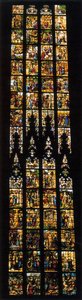
The collection itself is a breathtaking kaleidoscope of artistic treasures that embody the transition from Gothic intensity to Renaissance grace. One cannot help but be moved by the original sculptures that once adorned the cathedral's façade, where colossal figures of saints and biblical protagonists, sculpted by hands such as those of Giovanni Antonio Amordeo , capture a sense of expressive dynamism and spiritual realism. These stone sentinels are complemented by the ethereal beauty of the stained glass windows. Created by masters like Pietro da Velate , these windows utilize vibrant hues and intricate geometric patterns to transform natural light into a divine, kaleidoscopic experience. This style, which masterfully blends German and Italian traditions, offers a window into the rich artistic exchanges that defined the era.
Beyond the visual splendor of sculpture and glass, the museum offers a tangible connection to the sacred through its extraordinary Treasure Collection . Here, the weight of history is felt in the presence of holy relics, including the revered Holy Shroud of Turin , alongside liturgical objects that have graced Milanese altars since the Middle Ages. This collection provides an intimate look at the ritualistic life of the cathedral, grounding the grand architectural achievements in the personal, tactile reality of faith. For the art historian or the collector of historical narratives, these objects represent a bridge across time, connecting the modern observer to the profound spiritual ceremonies of the past.