A Gothic Symphony in Stone
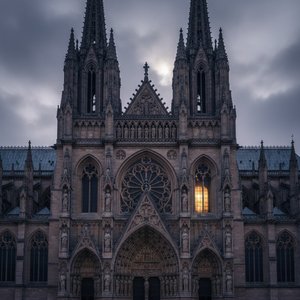
In the heart of Liège, where the echoes of centuries past linger in the Belgian air, stands the Cathedral of St. Paul —a breathtaking testament to the enduring power of spiritual and artistic devotion. This magnificent edifice is far more than a mere place of worship; it is a living chronicle of architectural evolution, tracing its lineage from a humble 10th-century Romanesque chapel to the soaring heights of French Gothic grandeur. To step through its doors is to enter a realm where time slows, and the heavy weight of history dissolves into an atmosphere of ethereal light and profound tranquility. The cathedral’s silhouette, defined by its commanding arches and meticulously carved limestone, serves as a celestial bridge between the earthly city and the divine, embodying the ambitious spirit of medieval craftsmen who sought to capture the very essence of heaven in stone.
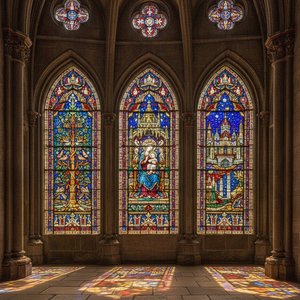
The interior of the cathedral is a masterclass in the manipulation of light and shadow, a feature that has captivated pilgrims and art enthusiasts for generations. As one wanders through the nave, the gaze is inevitably drawn upward toward the magnificent stained glass windows. These vibrant, translucent panels act as luminous tapestries, weaving biblical narratives and the lives of saints into a kaleidoscope of color. When the sun pierces through these ancient panes, the cathedral floor is bathed in shifting hues of sapphire, ruby, and emerald, transforming the sacred space into a kaleidoscopic sanctuary. This interplay of light does not merely illuminate the architecture; it breathes life into the stone, creating a sense of movement and divinity that feels almost supernatural.
Sculptural Treasures and Sacred Legacy
Beyond its architectural splendor, the cathedral houses profound sculptural treasures that demand an intimate emotional connection. Most notable is the poignant Reclining Christ , a masterpiece of sensitivity and technique. Whether viewed as the work of Jean Dubois or attributed to the legendary local master Jean Del Cour , this sculpture embodies a profound sense of compassion and humility. The way the marble captures the stillness of rest and the weight of mortality offers a moment of quiet reflection for every visitor. Complementing this are the intricate works of Jean Del Cour scattered throughout the sanctuary, including a bronze crucified Christ and delicate lime wood statues that showcase the pinnacle of Baroque-influenced craftsmanship in the region.
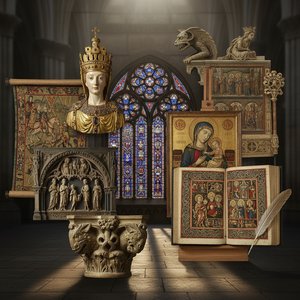
The historical significance of St. Paul’s is inextricably linked to the turbulent tides of Belgian history. Following the destruction of the ancient St. Lambert's Cathedral during the French Revolution, this former collegiate church rose to prominence as the new seat of the Diocese of Liège, inheriting a legacy of immense spiritual authority. This transition period infused the cathedral with a unique character—a blend of reconstructed Gothic pride and the resilience of a community rebuilding from the ashes of revolution. For those who seek beauty in its most raw and emotive forms, the cathedral offers a glimpse into the rich tradition of Flemish craftsmanship through its various treasures held within its cloisters, including:
- The Treasury of Liège: A collection of precious liturgical objects and historical relics.
- The Cloisters: A serene space housing many tombstones, including those of former Prince-Bishops.
- Neo-Gothic Artistry: The intricately designed pulpit that adorns the sanctuary with haunting detail.