
A Sacred Convergence of Art and Devotion
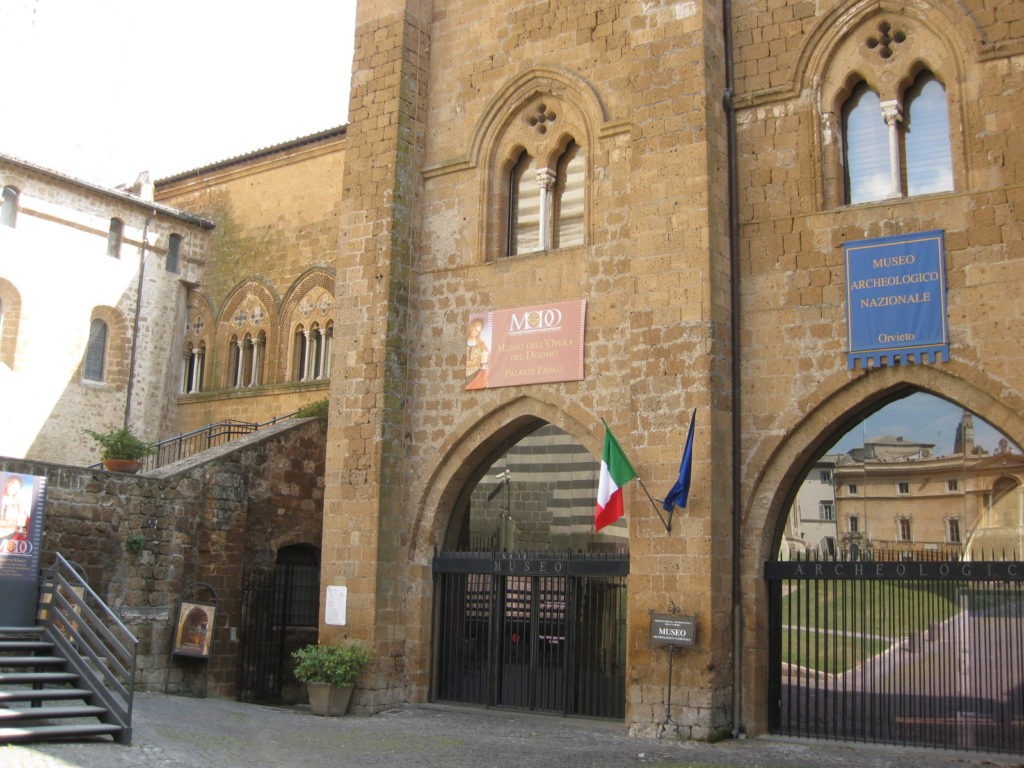
Perched dramatically upon a volcanic plug in the heart of Umbria, the Cathedral of Santa Maria Assunta serves as much more than a mere religious monument; it is a living chronicle of Orvieto’s spiritual and civic soul. To enter this sacred space is to embark on a journey through layers of time, where the boundaries between the earthly and the divine become beautifully blurred. The architecture itself tells a story of transition, tracing a path from Romanesque simplicity to the soaring, intricate grandeur of the Gothic style , characterized by its ribbed vaults and the ethereal glow of stained glass. For the art lover, it is a sanctuary of Renaissance brilliance; for the historian, a gateway to antiquity; and for the designer, a masterclass in the enduring power of aesthetic legacy.
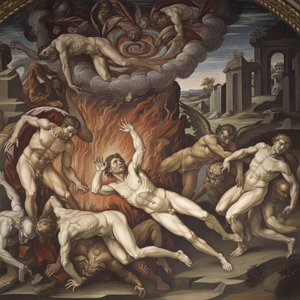
The crown jewel of this sacred site resides within the hallowed walls of the Chapel of San Brizio , where the monumental frescoes of Luca Signorelli command absolute reverence. These works, completed at the dawn of the 16th century, represent a pinnacle of Renaissance innovation. Signorelli’s mastery of anatomical precision and his revolutionary use of foreshortening do not merely depict biblical narratives; they breathe life into them. In scenes such as the Last Judgment and the Resurrection of the Dead , the viewer is confronted with a visceral, dramatic energy that anticipates the complexities of modern expression. The way light and shadow dance across his muscular figures creates a sense of profound movement, making these frescoes an essential study for anyone captivated by the intersection of human anatomy and theological drama.
A Legacy of Craftsmanship and Ancient Roots
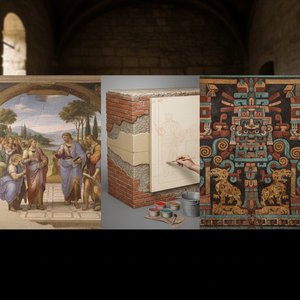
Beyond the Renaissance splendor, the site offers a rare and haunting glimpse into Orvieto’s ancient foundations. The presence of Etruscan funerary art whispers stories of a civilization long passed, where vibrant colors and geometric elegance continue to resonate with contemporary sensibilities. This ancient heritage provides a fascinating counterpoint to the later Gothic evolution of the Cathedral itself. As one traverses the space, the seamless continuity—from the prehistoric to the medieval and into the Renaissance—reveals a unique destination for those seeking to understand the full spectrum of human creativity.
The spiritual treasury is further enriched by exquisite liturgical treasures and sculptural masterpieces that embody the height of medieval craftsmanship. Notable highlights include:
- The Reliquiario Bolsena : A stunning testament to medieval goldsmithery, standing as a shimmering symbol of the miraculous events that led to the very construction of the Duomo.
- Lorenzo Maitani’s Madonna and Child : An artwork that exemplifies the delicate Gothic grace and tender devotion of the 14th century.
For collectors and enthusiasts of fine art, this Cathedral is not simply a place to view objects; it is a space where the weight of history and the beauty of artistic virtuosity converge, offering unparalleled inspiration drawn from the deep well of Italian heritage.