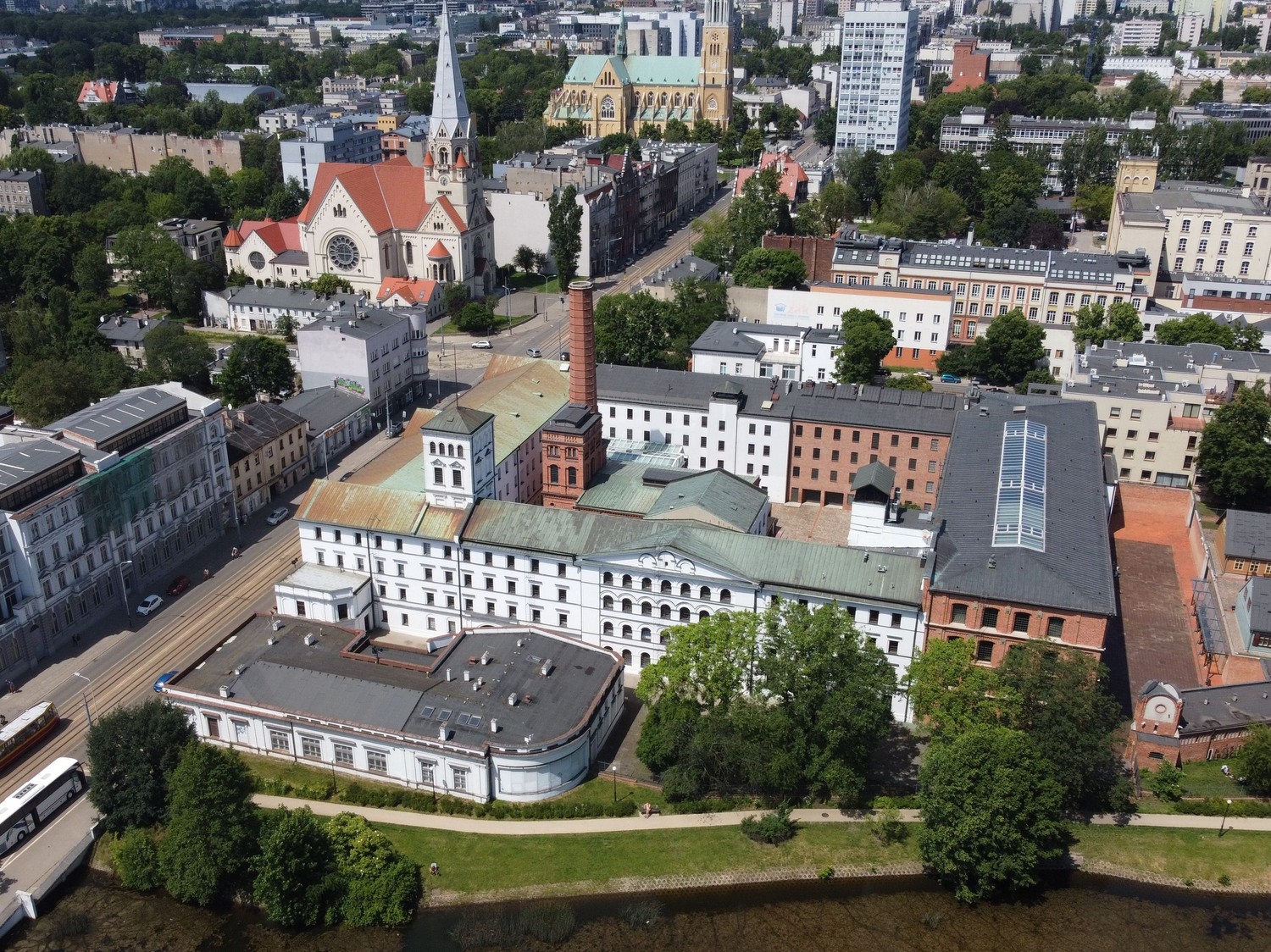



A Monument to Threads: The Living Legacy of the White Factory
In the heart of Łódź, where the echoes of industrial ambition still resonate through weathered brickwork, stands the Central Museum of Textiles —a sanctuary that transcends the mere preservation of fabric to become a profound narrative of human ingenuity. Housed within the breathtaking White Factory , an architectural marvel constructed between 1835 and 1886 by the legendary Geyer family, the museum is itself a masterpiece of classicist design. As one wanders through its four interconnected wings, dominated by a towering chimney that once signaled the pulse of European manufacturing, the atmosphere shifts from historical reverence to artistic awe. This is not merely a repository for the past; it is a space where the heavy machinery of the 19th century meets the ethereal lightness of contemporary fiber art, creating a dialogue between the grit of industry and the grace of fine art.
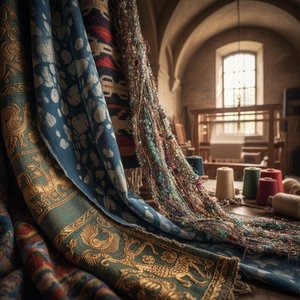
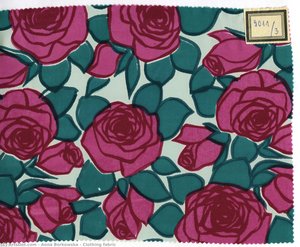
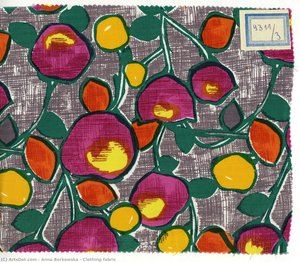
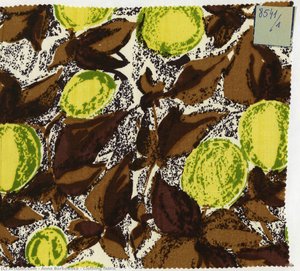
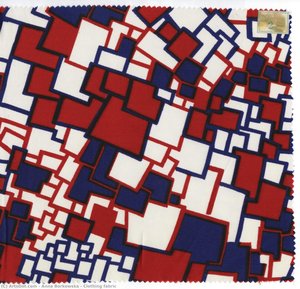
The museum’s collection serves as a sweeping chronicle of textile evolution, inviting visitors to witness the very mechanics of transformation. To walk through the halls is to encounter the rhythmic ghosts of the Victorian era, embodied by fully functional weaving machines that once drove the economic engine of Poland. These artifacts do more than demonstrate technological advancement; they tell the story of the social metamorphosis that shaped Łódź into a global powerhouse. The collection moves seamlessly from the structured precision of historical lace and embroidery to the expansive, experimental textures of modern tapestries, offering a sensory journey through the tactile history of human touch.
A Global Nexus for Fiber Art and Innovation
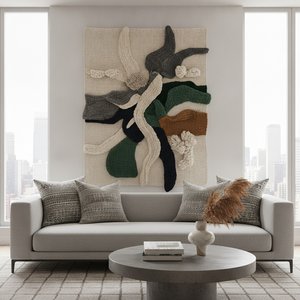
For the global art community, the museum holds a position of unparalleled prestige through the International Triennial of Tapestry . Since 1982, this landmark event has transformed Łódź into a focal point for the world’s most daring fiber artists, fostering an environment where tradition is constantly reimagined through innovation. This spirit of excellence is mirrored in national showcases such as the Polish Tapestry Exhibition and the Miniature Textiles Exhibition, which celebrate the intricate nuances of craftsmanship. For collectors and interior designers, the museum offers more than just education; it provides a profound source of inspiration, demonstrating how texture, weight, and weave can imbue a space with historical depth and contemporary elegance.
Beyond its role as a silent guardian of heritage, the institution thrives as a vibrant center for community engagement and creative discovery. Through initiatives like Geyerwerki , the museum invites the next generation to touch, manipulate, and create, ensuring that the ancient language of textiles remains a living, breathing medium. Whether through the melodic resonance of holiday concerts in the Geyer Music Factory or the communal joy of "Sunday at Geyer" feasts, the institution fosters a deep connection between the public and their industrial soul. It remains an unforgettable destination where history illuminates art, inviting every visitor to become part of a tapestry that is still being woven.