

A Beacon of Modernism in Brasília
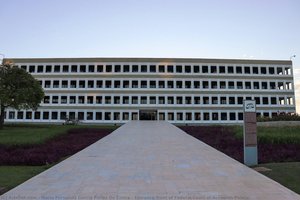
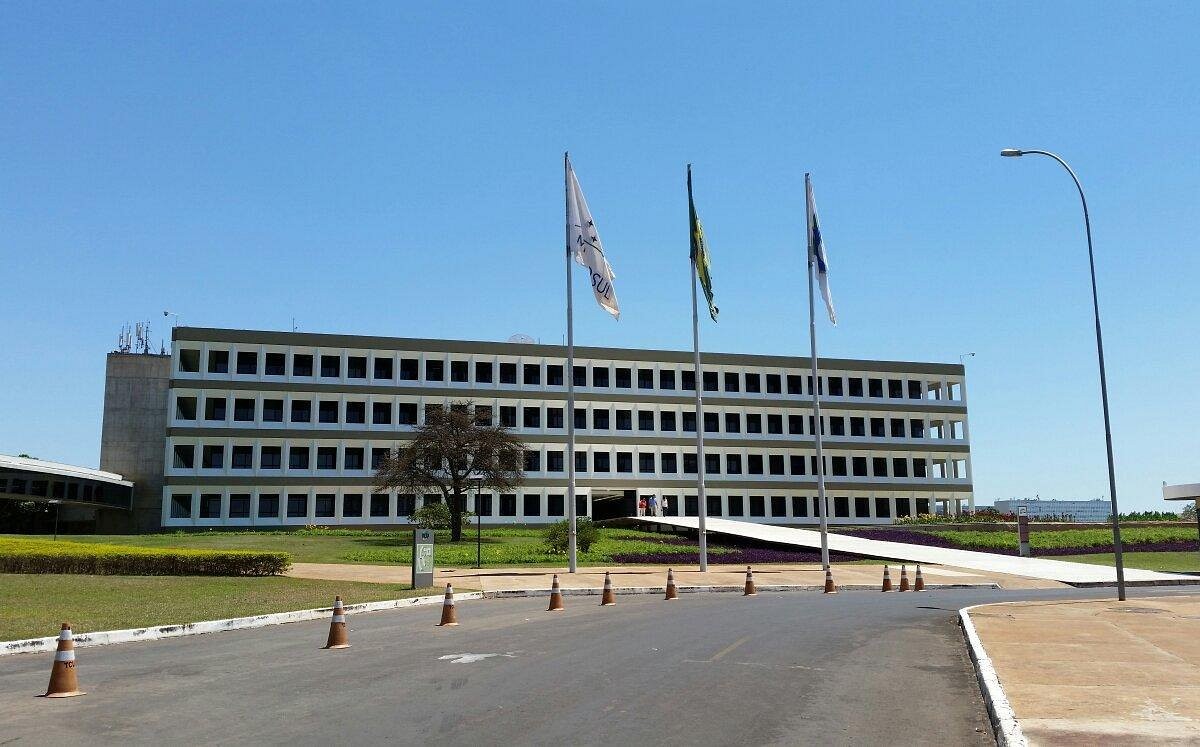
The Centro Cultural TCU stands as a singular achievement within the architectural landscape of Brasília, serving as a profound testament to Brazil's commitment to modernist ideals and artistic innovation. More than just a repository for art, this institution embodies the very spirit of a nation striving to define its identity through bold design and thoughtful curation. Established as a cultural center for Brazil’s Federal Court of Accounts, it has blossomed into a vibrant space where governance and creativity engage in a continuous, meaningful dialogue.
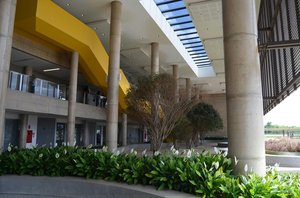
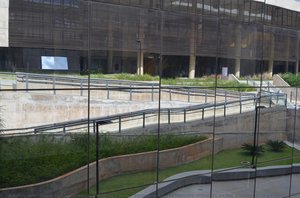
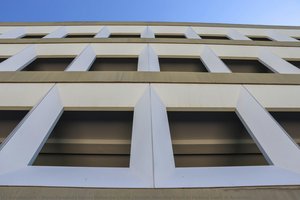
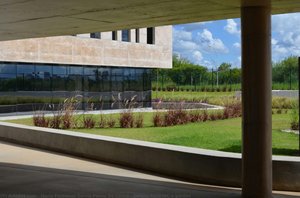
The architecture itself is a masterpiece of architectural poetry , dominated by the visionary work of Oscar Niemeyer . The building defies convention with its sweeping curves and expansive voids, exemplifying a signature style that fuses concrete and organic forms to maximize natural light. This design creates an immersive connection between the interior spaces and the surrounding landscape, a feeling further enhanced by the landscaping philosophy of Roberto Burle Marx . Within the complex, shimmering water features and meticulously arranged native Brazilian flora provide a tranquil counterpoint to the building’s structural boldness.
The Labyrinthine Legacy of Brazilian Art
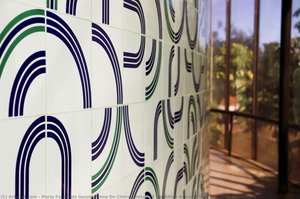
To walk through the halls of the Centro Cultural TCU is to encounter a captivating collection centered around the distinctive tilework of Athos Bulcão . His labyrinth-patterned tiles, which recur throughout the complex, represent journeys and complexities, subtly reflecting the very nature of the institution it houses. Bulcão's artistic vision aligns perfectly with Niemeyer’s architectural principles, exploring themes of space, light, and geometry to produce a cohesive and breathtaking aesthetic experience.
The cultural offerings extend far beyond tilework, encompassing a diverse range of Brazilian artistic heritage:
- Monumental Canvases: Large-scale paintings that depict significant scenes from Brazilian history.
- Regional Craftsmanship: Delicate ceramic pieces that showcase the intricate skill of local artisans.
- Contemporary Dialogue: Recent exhibitions that explore critical themes such as social justice and environmental stewardship.
What distinguishes this center is its holistic approach to culture—a space where art, architecture, and history converge to inspire contemplation. It remains a destination for connoisseurs and designers alike, offering a transformative experience through the power of design and storytelling.