

A Tapestry of Tudor Grandeur and Shakespearean Lore
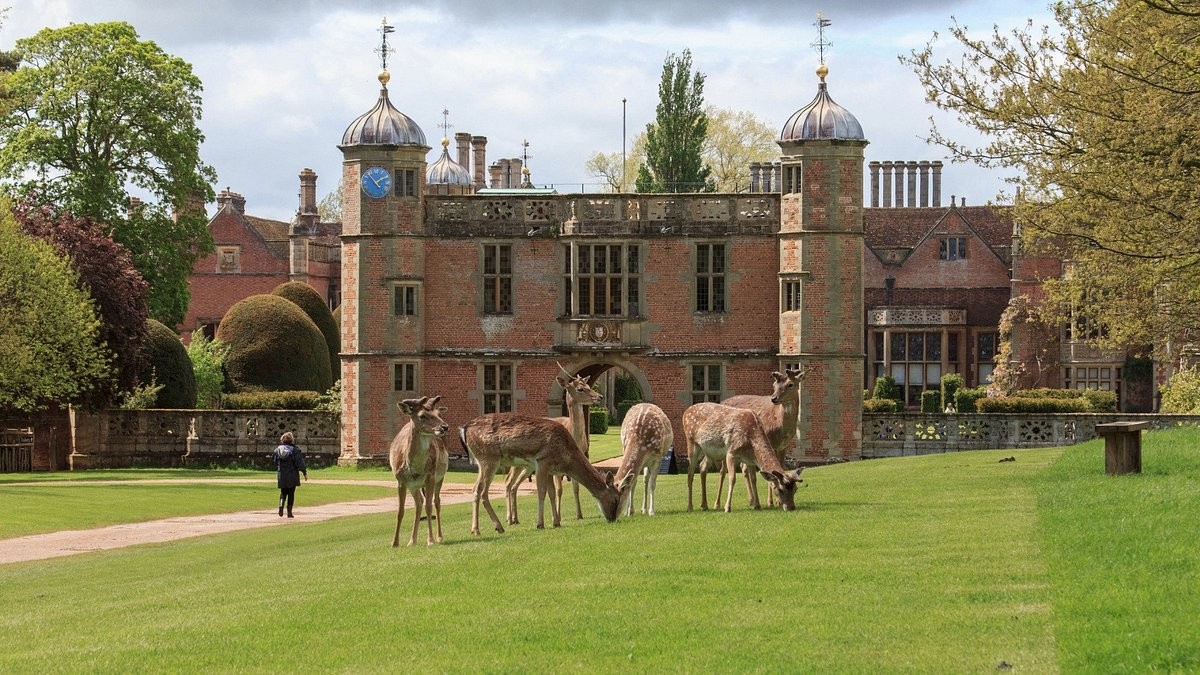
To step through the gates of Charlecote Park is to surrender to a profound sense of temporal suspension, where the heavy atmosphere of the English Renaissance lingers amidst the manicured beauty of Warwickshire. This magnificent estate, a jewel in the National Trust’s crown, serves much more than a mere residence; it is a living, breathing chronicle of the Tudor dynasty and the aristocratic evolution of the British Isles. The architecture itself tells a story of layered ambitions, beginning with its 1558 origins for Sir Thomas Lucy. One cannot help but feel the weight of history in its sturdy brickwork and those iconic, soaring chimneys that pierce the sky—architectural flourishes that reflect the opulent, almost defiant, craftsmanship of the era of Henry VIII. As one wanders through the grounds, the estate reveals a seamless transition from Tudor strength to the refined elegance of Victorian Neo-Georgian renovations, creating a structural dialogue between centuries.
The interior of Charlecote Park offers an intimate encounter with the artistry of a bygone age, providing endless inspiration for the discerning collector or interior designer. The Great Hall remains a sanctuary of medieval and Renaissance splendor, where elaborate tapestries depicting biblical narratives drape the walls like woven memories, their intricate threads catching the soft light to create a sense of movement and drama. This tactile richness is complemented by the profound presence of intricately carved oak paneling, which lends a somber yet majestic warmth to the rooms. Moving through the house, the aesthetic shifts into the lush, decadent textures of the Victorian era; here, one finds rooms bathed in deep, regal hues, adorned with exquisite porcelain and gilt frames that shimmer with a quiet, aristocratic prestige. It is a masterclass in period layering, where every corner offers a curated vignette of historical luxury.
A Landscape of Poetic Resonance
Beyond the architectural marvels and the fine decorative arts, Charlecote Park possesses a soul deeply entwined with literary legend. The estate is famously whispered to have been a playground for a young William Shakespeare, who reportedly frequented the park to poach deer—a charmingly rebellious detail that adds a layer of romantic magic to the landscape. This connection to the Bard infuses the entire property with a sense of poetic resonance. This spirit extends outward into the expansive deer park, where the landscape artistry of Capability Brown unfolds in sweeping, idealized vistas.
The experience of the estate is defined by a deliberate contrast between the formal, structured grandeur of the mansion and the flowing, pastoral perfection of the gardens. Visitors may find themselves captivated by:
- The Graceful Movement of the Deer: Wandering through the expansive parkland where nature meets curated design.
- The Meandering Paths: Following the gentle curves along the River Avon to discover hidden corners of tranquility.
- The Legacy of the Lucy Family: Observing the collection of family portraits that serve as windows into the social fabric of England's past, rendered with a technical mastery that captures both status and spirit.
For those who seek a destination where history breathes alongside artistic vision, Charlecote Park stands unparalleled. It is a place where the legacy of centuries of patronage and preservation is palpable in every portrait and every stone, offering an unparalleled source of classical inspiration for any lover of heritage.