

A Chronicle Etched in Stone and Story
The Chicago History Museum stands as a vibrant narrative woven from the lives of ordinary citizens and the pivotal moments that shaped not only Chicago but the broader American experience. To step within its walls is to enter a meticulously curated time capsule where the echoes of everyday life resonate through every gallery. The museum serves as much more than a mere repository of artifacts; it is a living testament to the city's restless energy, tracing its dramatic rise from a frontier outpost to a global metropolis. Within this sanctuary of memory, the layers of the past are revealed, offering a journey that begins with the very foundations of the city itself.
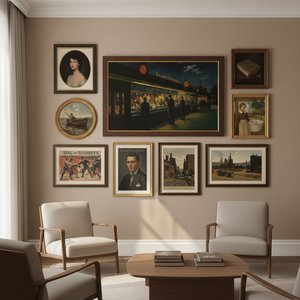
The museum’s collection excels at illuminating the intimate experiences of Chicagoans across generations. Through the careful preservation of furniture, clothing, photographs, and personal documents , visitors are offered poignant glimpses into lives lived—capturing the hopes, struggles, and triumphs of the families who built this iconic skyline. For the discerning eye, these objects are not merely relics but windows into a soul, providing a profound visual narrative that connects the contemporary resident to the pioneers of the past.
Visual Narratives and Industrial Innovation
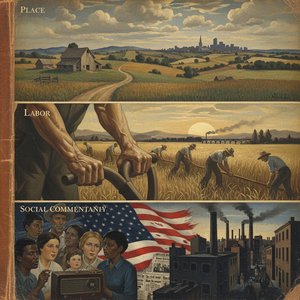
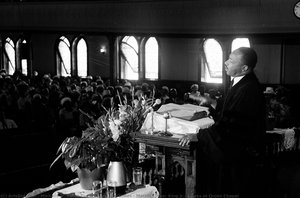
Beyond the intimate domestic artifacts, the museum offers powerful displays that reflect the city's deep engagement with national debates and social change. A notable highlight for those drawn to the intersection of art and activism is the exhibition “Designing for Change: Chicago Protest Art of the 1960s–70s.” This collection showcases bold lithographs and silkscreens that captured the fervor of civil rights activism and anti-war sentiment, embodying a spirit of resistance and a demand for social justice. These works serve as much more than decorative elements; they are historical witnesses to a period of intense cultural transformation.
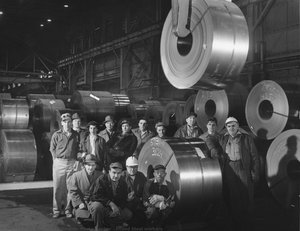
The museum also celebrates the era of industrial prowess through its treasures from an industrious past. Visitors can encounter:
- Intricate machinery models that speak to a period defined by rapid innovation.
- Tools crafted by skilled artisans , reflecting the rise of manufacturing giants.
- Archival materials accessible through the Abakanowicz Research Center, including letters and diaries that allow for groundbreaking investigations into the city's essence.
A Landmark of Cultural Preservation
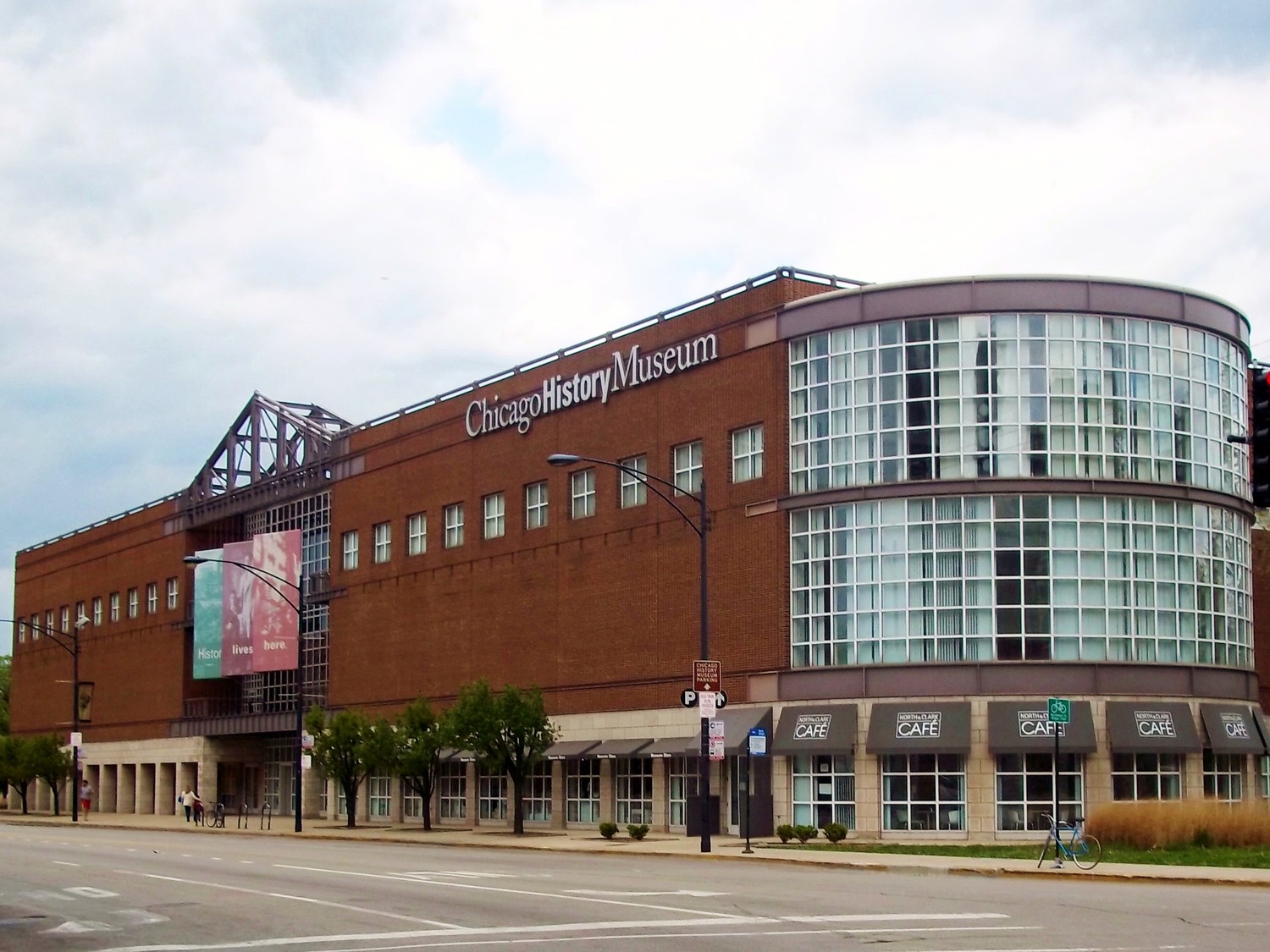
The architecture of the museum itself stands as a silent witness to decades of change, reflecting the very growth and adaptation it seeks to document. Situated in the historic Old Town Triangle neighborhood at 1601 North Clark Street, the structure has evolved over time, providing an expansive canvas for Chicago’s stories to unfold. This commitment to local context allows the museum to provide a lens through which the larger American narrative can be viewed with greater nuance.
By examining the forces of immigration patterns, industrial innovation, and social reform movements, the museum acts as a vital bridge between the tangible object and the intangible memory. It remains an essential cornerstone of the American cultural landscape, inviting collectors, historians, and art lovers alike to explore the complex tapestry of a city that continues to redefine itself.