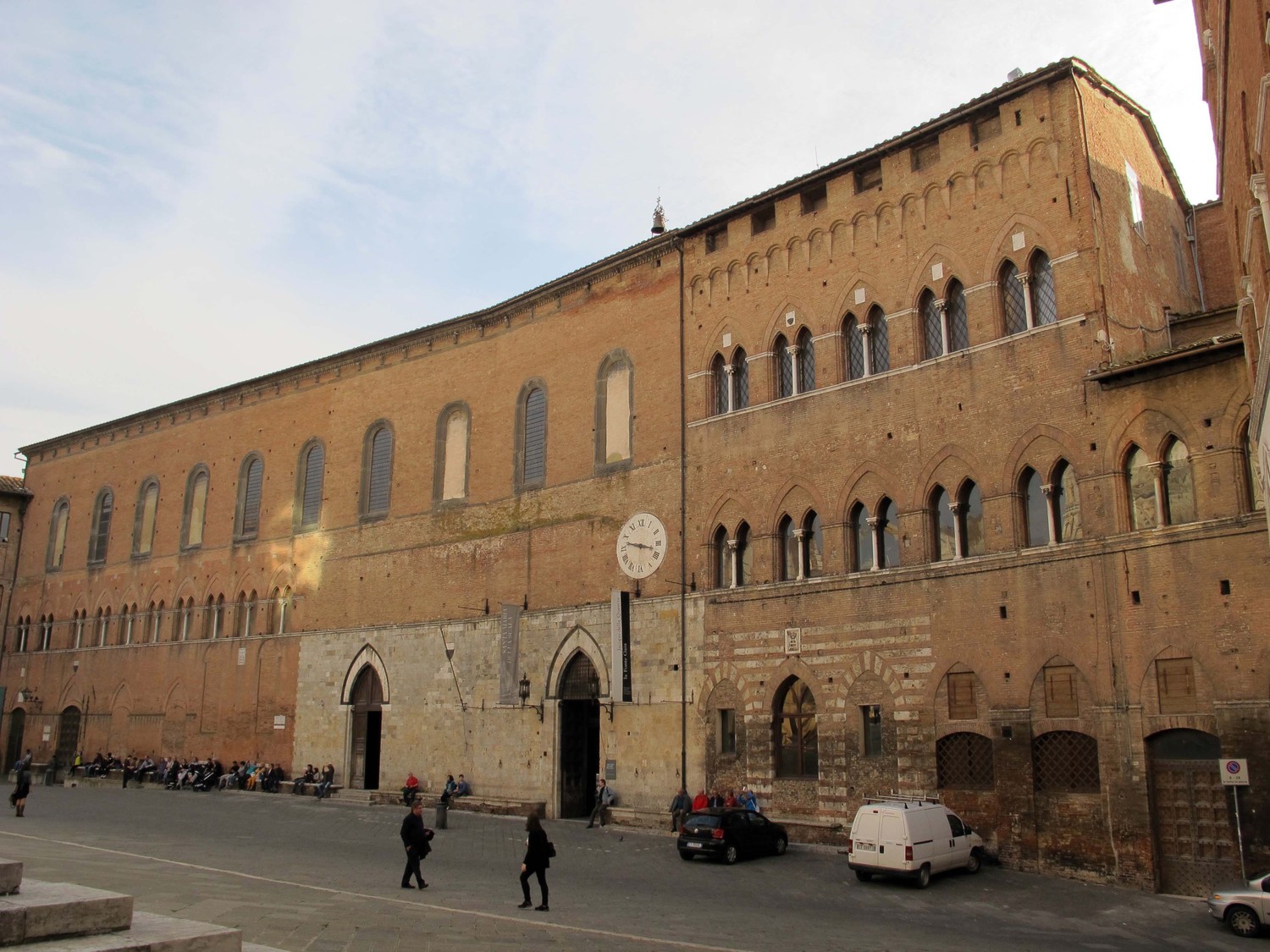




A Sanctuary of Compassion Transformed
Nestled in the very heart of Siena, Italy, the complex of Santa Maria della Scala stands as a breathtaking testament to centuries of human kindness and artistic brilliance. It is a place where the echoes of pilgrims’ prayers intertwine with the masterful brushstrokes of Renaissance masters, creating an atmosphere that transcends the typical museum experience. More than just a repository for fine art, this institution is a living chronicle etched in stone and painted across vast frescoes, inviting visitors on a profound journey through time and faith. Originally founded as a hospital, its name, “Saint Mary of the Staircase,” alludes to the steps leading toward the cathedral, symbolizing an ascent towards both physical and spiritual healing. For centuries, this institution served as a beacon of hope for those in need—pilgrims arriving with weary feet, the impoverished seeking solace, and the sick yearning for recovery. It was a sanctuary where societal outcasts found refuge, nurtured by a spirit of unwavering compassion that permeated its very walls.
The architectural narrative of Santa Maria della Scala is as compelling as the stories it holds within, presenting an organic growth that feels like a patchwork quilt woven from Romanesque foundations to Renaissance embellishments. This evolution reflects not only changing artistic tastes but also the hospital's expanding role and resources over time. The Pellegrinaio , once a bustling hall offering shelter to countless pilgrims, stands as a magnificent example of this layered history. Today, its walls are adorned with breathtaking frescoes—vibrant scenes depicting the hospital’s charitable works alongside powerful religious narratives. These are not merely decorative elements; they are visual sermons, intended to inspire faith and gratitude in those who once sought aid within its embrace. Wandering through the intricate courtyards and cloisters offers moments of peaceful contemplation, providing a rare chance to connect with the profound serenity that once enveloped this haven for the vulnerable.
A Legacy of Sienese Artistry
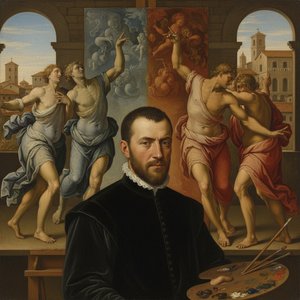
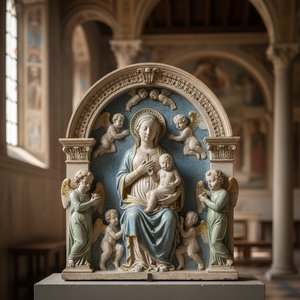
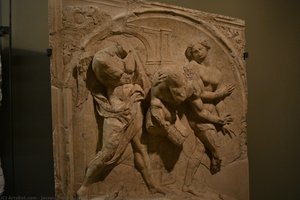
As the complex transitioned into its current role, it unveiled an extraordinary collection deeply intertwined with Sienese identity. The Sienese school of painting is richly represented here, offering glimpses into the distinctive artistic traditions that flourished in this Tuscan jewel. Works by masters such as Duccio di Buoninsegna and Jacopo della Quercia grace the halls, their paintings radiating a spiritual intensity and technical brilliance that continues to captivate collectors and art historians alike. Beyond these celebrated names, however, lies a wealth of lesser-known but equally captivating pieces—sculptures imbued with raw emotion, decorative arts reflecting refined craftsmanship, and archaeological finds that reveal layers of Siena’s past beneath its present form.
The collection serves as a tangible link to the lives touched by this institution, serving as a visual record of faith, suffering, and resilience. For the interior designer or the lover of classical beauty, the complex offers endless inspiration through its interplay of light, texture, and historical depth. It is a place where the following elements converge:
- Historical Depth: A seamless blend of art and history that provides insights into medieval healthcare practices and the challenges faced by caregivers in an era long past.
- Artistic Mastery: A profound connection to the Sienese school, showcasing the evolution from Byzantine traditions to burgeoning naturalism.
- Spiritual Resonance: An immersive experience where the architecture itself tells a story of human resilience and divine grace.
What truly sets Santa Maria della Scala apart is its unique duality—a place born from necessity, evolving through centuries of service, and ultimately reborn as a cultural treasure. It is not merely a repository for beautiful objects; it is a powerful reminder of the enduring human capacity for compassion and innovation. The way the light interacts with the ancient stone and the vibrant pigments of the frescoes creates an environment where the past is not just remembered, but vibrantly alive.